

In the vast landscape of global medicinal and aromatic plants, few species offer the remarkable combination of therapeutic efficacy, commercial versatility, and cultural significance that defines Calendula officinalis, commonly known as pot marigold. As international markets increasingly embrace natural and sustainable products, Syria emerges as a compelling source for this golden-flowered treasure, offering unique opportunities for both international importers seeking premium botanical ingredients and Syrian producers looking to diversify their agricultural portfolios.
The significance of Calendula in today's global economy extends far beyond its traditional medicinal applications. With the global Calendula extract market valued at approximately USD 85 million in 2023 and projected to reach USD 142 million by 2032 [1], and the broader Calendula officinalis flower extract market expected to grow from USD 359.8 million in 2024 to an astounding USD 2.67 billion by 2032 [2], the commercial potential is undeniable. This remarkable growth trajectory, driven by increasing consumer awareness of natural health solutions and the expanding cosmetics industry, presents Syrian agricultural producers with an unprecedented opportunity to participate in a rapidly expanding global market.
Syria's entry into commercial Calendula cultivation represents more than just agricultural diversification; it embodies the nation's resilience and its commitment to rebuilding its economy through sustainable, high-value agricultural products. While Syria may not possess the centuries-old Calendula cultivation traditions found in some European regions, it brings to the table something equally valuable: a rich heritage of medicinal plant knowledge, favorable growing conditions in certain regions, and the potential for cost-effective production that can compete effectively in international markets.
The timing for this comprehensive guide could not be more opportune. As global supply chains seek diversification and international buyers increasingly value direct relationships with producers, Syrian Calendula offers a compelling proposition. The plant's adaptability to Mediterranean climates, combined with Syria's strategic geographic position bridging Europe, Asia, and Africa, creates natural advantages for both cultivation and export logistics.
This guide serves as an authoritative bridge between Syrian agricultural potential and international market demands. For international importers, it provides essential insights into the quality, availability, and unique characteristics of Syrian-grown Calendula, along with practical guidance for navigating the complexities of sourcing from Syria. For Syrian producers, farmers, and exporters, it offers a roadmap for entering and succeeding in the global Calendula market, from cultivation best practices to international quality standards and market positioning strategies.
The journey of Syrian Calendula from field to international market is not merely a commercial transaction; it represents a cultural exchange that honors both the ancient wisdom of herbal medicine and the modern demands of evidence-based therapeutic applications. As we explore the multifaceted world of Syrian Calendula throughout this guide, we will discover how this humble flower can serve as a catalyst for economic growth, international cooperation, and the preservation of traditional knowledge in an increasingly connected world.
Through platforms like AlTojjar, which serves as a digital bridge connecting Syrian businesses with global markets, the potential for Syrian Calendula to reach international buyers has never been greater. This comprehensive guide aims to equip all stakeholders with the knowledge, insights, and practical tools necessary to transform this potential into profitable, sustainable partnerships that benefit producers, importers, and ultimately, consumers worldwide who seek the therapeutic benefits of this remarkable plant.
Historical Context and Cultural Heritage

While Calendula officinalis may not have the same deep-rooted historical cultivation in Syria as iconic crops like the Damascene rose, its presence and the broader use of Calendula species are woven into the rich tapestry of the region's ethnobotanical traditions. The story of Syrian Calendula is one of both ancient regional heritage and modern agricultural adaptation, offering a unique narrative for international markets.
Ancient Roots in the Broader Middle East:
The use of Calendula dates back to ancient Greek, Roman, and Middle Eastern cultures, where it was valued not only for its medicinal properties but also as a culinary ingredient and a source of vibrant color [3]. The name "Calendula" itself, derived from the Latin "Kalendae," signifies its ability to bloom throughout the calendar year in milder climates, a testament to its resilience and enduring presence in the Mediterranean world.
Historically, Calendula flowers were used to treat a wide range of ailments, from skin irritations and wounds to indigestion and fevers. Its anti-inflammatory and antiseptic properties were recognized long before modern science could validate them. This long history of use in the broader region provides a strong foundation for the authenticity and perceived efficacy of Calendula sourced from the Middle East.
Calendula in Syrian Traditional Medicine:
While specific historical records of Calendula officinalis cultivation in Syria are not as extensive as for other native plants, there is clear evidence of the use of other Calendula species in Syrian traditional medicine. For example, *Calendula arvensis* has been traditionally used in the western regions of Syria, such as Tartus and Latakia, to treat varicose veins, sore eyes, wounds, and other ailments [4]. This demonstrates a long-standing cultural familiarity with the therapeutic properties of the Calendula genus.
The Arabic names for Calendula officinalis in Syria, "آذَرْيون مَخْزَني" (Azaryun Makhzani) and "كَحْلَة" (Kahlah), further indicate its recognition and integration into the local botanical lexicon. This cultural context is invaluable for international marketing, as it adds a layer of authenticity and traditional knowledge to the product.
The Modern Emergence of Syrian Calendula:
The cultivation of *Calendula officinalis* in Syria as a commercial medicinal crop is a more recent development, reflecting a strategic shift towards high-value agricultural products. As noted in a 2005 report, Syria has been recognized as one of the countries cultivating Calendula for medicinal purposes, alongside established producers like Germany, Australia, and Egypt [5].
This modern emergence is significant for several reasons:
- Adaptability: It demonstrates the adaptability of Syrian agriculture and its capacity to embrace new crops with global market potential.
- Economic Diversification: It offers a promising avenue for economic diversification for Syrian farmers, providing a valuable alternative to traditional crops.
- Bridging Tradition and Modernity: It represents a unique opportunity to blend Syria's rich heritage of herbal medicine with modern agricultural practices and quality control standards.
By positioning Syrian Calendula within this dual context of ancient regional traditions and modern agricultural innovation, producers and exporters can create a compelling brand story that resonates with international buyers seeking both authenticity and quality. The narrative of Syrian Calendula is not just about a flower; it's about a nation's ability to cultivate hope, resilience, and economic opportunity from its fertile lands.
Botanical Characteristics and Syrian Varieties

Calendula officinalis, commonly known as pot marigold, is a vibrant and versatile herbaceous plant belonging to the Asteraceae (daisy) family. Its botanical features contribute to its widespread use in traditional medicine, cosmetics, and culinary applications.
General Botanical Features:
- Growth Habit: Typically an annual or short-lived perennial, Calendula grows to about 80 cm (31 inches) tall with sparsely branched, lax, or upright stems. It forms bushy plants with a spread of up to 2 feet.
- Leaves: The leaves are simple, alternate, and can be somewhat toothed. They are generally waxy, smooth, or glandular, and range in length from 30–180 mm.
- Flowers: The most distinctive feature of Calendula is its bright yellow to orange, daisy-like flower heads. These inflorescences can range from 40–100 mm in width and often feature numerous disk flowers, giving them a full, vibrant appearance.
- Edibility: Both the flowers and leaves are edible, offering a slightly peppery or tangy taste. They are often used as garnishes, in salads, or to add color to various dishes.
Syrian Varieties and Adaptations:
While specific named varieties of Calendula officinalis unique to Syria are not extensively documented in public scientific literature, the plant's adaptability to Mediterranean climates suggests that local ecotypes or landraces may exist, naturally selected for their resilience to Syrian environmental conditions. The cultivation of Calendula for medicinal purposes in Syria indicates that varieties suitable for the region's climate and soil are being grown [5].
Syria's diverse topography, ranging from coastal plains to arid interior regions, offers varied microclimates that could influence the phytochemical composition of Calendula. For instance, plants grown in specific soil types or under particular sun exposure might develop unique concentrations of active compounds, potentially leading to distinct therapeutic or aromatic profiles. However, this is an area that would require dedicated scientific research to confirm.
Potential for Unique Syrian Qualities:
The concept of terroir, often associated with wine, can also apply to medicinal plants. Terroir refers to the complete natural environment in which a particular product is produced, including factors such as soil, topography, and climate. These environmental factors, combined with cultivation practices, can influence the chemical makeup and sensory characteristics of plants. If specific Syrian regions possess unique terroir that enhances the beneficial compounds in Calendula, this could be a significant competitive advantage.
For example, the rich volcanic soils or specific mineral compositions in certain Syrian agricultural areas could contribute to a Calendula variety with enhanced anti-inflammatory triterpenoids or higher concentrations of beneficial carotenoids. Such unique qualities, if scientifically validated, could position Syrian Calendula as a premium product in the global market.
Further research into the chemical profiling of Calendula officinalis grown in different Syrian regions would be beneficial to identify and capitalize on any such unique characteristics. This scientific validation could then be used to market Syrian Calendula as a product with superior efficacy or unique sensory attributes, appealing to discerning international buyers.
Traditional and Modern Cultivation Methods in Syria
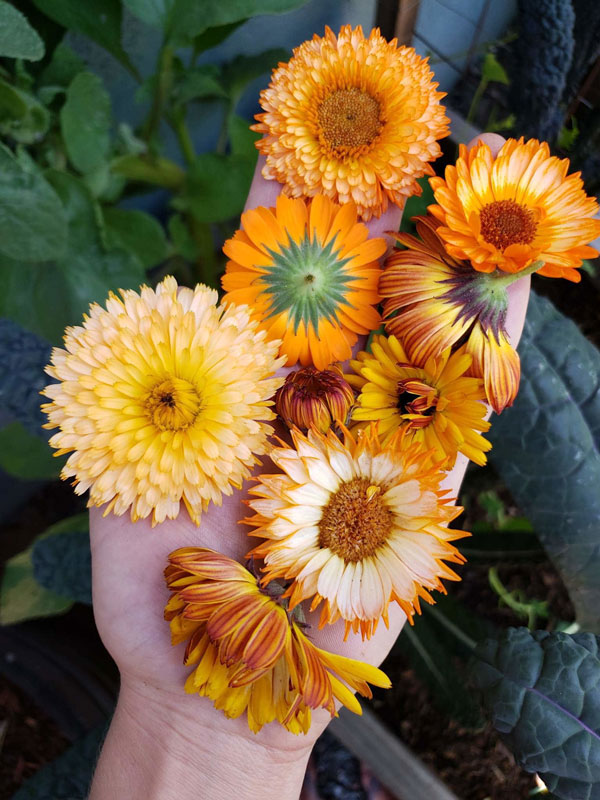
The cultivation of Calendula in Syria, while a relatively recent commercial endeavor for Calendula officinalis, benefits from the country's long-standing agricultural traditions and its capacity to integrate modern farming techniques. This blend of approaches is crucial for producing high-quality Calendula that meets international standards.
Traditional Influences and Practices:
Syrian agriculture has historically relied on time-tested methods passed down through generations, often characterized by:
- Small-Scale Farming: Many agricultural operations are family-owned and managed, fostering a deep connection to the land and meticulous care for crops.
- Natural Fertilization: Traditional practices often involve the use of organic fertilizers, such as animal manure and compost, which enrich the soil and promote healthy plant growth without synthetic chemicals.
- Water Management: Farmers have developed intricate knowledge of local water sources and traditional irrigation techniques, adapting to regional water availability.
- Seed Saving: The practice of saving seeds from successful harvests ensures the continuity of local plant varieties adapted to specific microclimates.
While these traditional methods may not always align with the scale required for international commercial trade, they lay a foundation of sustainable and environmentally conscious farming that can be integrated with modern approaches.
Modern Cultivation Techniques for Commercial Production:
To meet the demands of the global market, Syrian Calendula cultivation is increasingly adopting modern techniques that enhance efficiency, yield, and quality:
- Site Selection: Choosing optimal locations with full sun exposure and well-drained soil is paramount. Soil testing is conducted to determine nutrient deficiencies and pH levels, allowing for targeted amendments.
- Seed Selection and Sowing: High-quality seeds, often from varieties known for high resin content (which correlates with medicinal potency), are selected. Precision sowing, either directly into prepared beds or in nurseries for transplanting, ensures optimal plant density.
- Irrigation Systems: Modern irrigation systems, such as drip irrigation, are being implemented to deliver water directly to the plant roots, minimizing water waste and ensuring consistent moisture levels. This is particularly important in semi-arid regions.
- Nutrient Management: Beyond traditional organic amendments, modern cultivation may involve the precise application of essential nutrients based on soil analysis, ensuring robust plant growth and flower development.
- Pest and Disease Management: Integrated Pest Management (IPM) strategies are employed, combining biological controls, cultural practices, and judicious use of approved botanical or low-impact chemical treatments when necessary. This minimizes pesticide residues, which is critical for medicinal and cosmetic applications.
- Crop Rotation: Practicing crop rotation helps maintain soil health, reduces pest and disease pressure, and optimizes nutrient cycling.
Cultivation Regions in Syria:
While specific large-scale Calendula farms are not widely publicized, the general agricultural landscape of Syria suggests potential cultivation in regions with suitable climates. Areas with Mediterranean climates, characterized by warm, dry summers and mild, wet winters, would be ideal. This includes:
- Coastal Regions (e.g., Latakia, Tartus): These areas benefit from maritime influences, providing moderate temperatures and sufficient rainfall, though supplementary irrigation may still be necessary.
- Inland Plains (e.g., Homs, Hama, Damascus countryside): These regions, with their fertile plains and access to water resources (rivers, underground aquifers), could support Calendula cultivation, especially with efficient irrigation.
The Synergy of Tradition and Modernity:
The most successful Calendula cultivation in Syria will likely emerge from a synergistic approach, combining the wisdom of traditional, sustainable farming practices with the efficiency and quality control offered by modern agricultural science. This allows Syrian producers to leverage their natural resources and cultural heritage while meeting the stringent demands of international markets for purity, potency, and consistency.
This integrated approach not only ensures a high-quality product but also promotes environmental sustainability and supports the livelihoods of local farming communities, creating a compelling narrative for Syrian Calendula in the global marketplace.
Harvesting, Processing, and Quality Control Standards
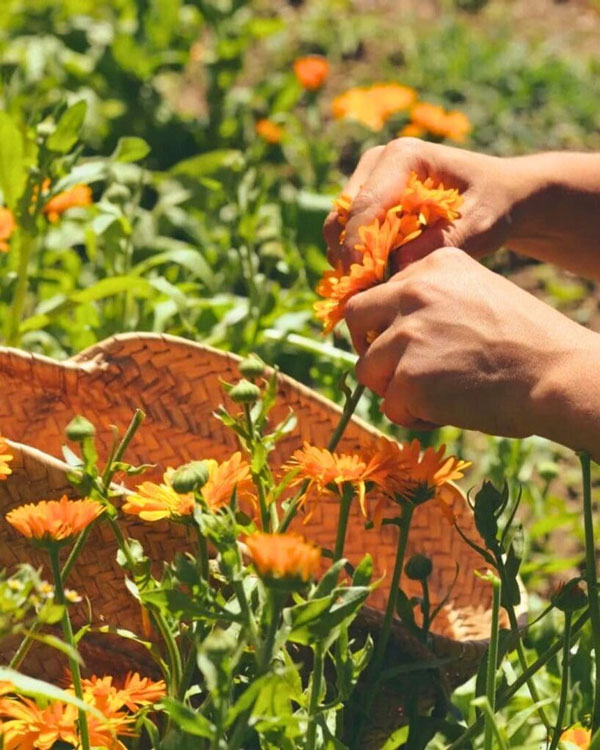
Ensuring the quality and efficacy of Syrian Calendula for international markets hinges on meticulous harvesting, proper processing, and adherence to stringent quality control standards. These steps are critical for preserving the active compounds and meeting the expectations of discerning buyers.
1. Optimal Harvesting Practices:
- Timing is Crucial: Calendula flowers should be harvested when they are fully open and vibrant, typically in the morning after the dew has evaporated. This timing ensures the highest concentration of active compounds, such as triterpenoids and flavonoids.
- Manual Harvesting: For premium quality, manual harvesting is highly recommended. Hand-picking the flower heads minimizes damage and contamination, allowing for careful selection of mature blooms. While labor-intensive, this method yields a superior product that commands a higher market price.
- Regular Collection: Frequent harvesting (every 2-3 days during peak season) encourages continuous flowering and maximizes yield over the growing period.
- Cleanliness: Harvesters should ensure their hands and tools are clean to prevent contamination of the flowers.
2. Post-Harvest Handling and Drying:
Immediate and proper post-harvest handling is vital to prevent degradation and microbial growth.
- Gentle Handling: Freshly harvested flowers are delicate and should be handled gently to avoid bruising, which can lead to oxidation and loss of active compounds.
- Pre-Drying Sorting: Remove any foreign matter, damaged flowers, or insects before drying.
- Drying Methods: The most critical step in post-harvest processing is drying. The goal is to reduce moisture content rapidly and uniformly without compromising the active constituents or color. Recommended methods include:
- Air Drying: Spreading flowers in a single layer on clean screens in a well-ventil ventilated, dark, and dry area. Air circulation is key to prevent mold growth. Avoid direct sunlight, which can degrade carotenoids and other heat-sensitive compounds.
- Dehydrators/Drying Ovens: For larger scale operations, controlled dehydrators or drying ovens with low temperatures (below 40-50°C or 104-122°F) and good airflow are ideal. This ensures consistent drying and preserves quality.
- Moisture Content: Dried Calendula flowers should have a moisture content of less than 10-12% to prevent mold and bacterial growth during storage.
3. Processing for Value-Added Products:
Once dried, Calendula flowers can be further processed into various forms:
- Whole Dried Flowers: Used for teas, potpourri, or decorative purposes.
- Cut and Sifted (C/S): Flowers are cut into smaller pieces and sifted to remove fine particles, suitable for tea bags or encapsulation.
- Powder: Dried flowers are ground into a fine powder for use in capsules, cosmetic formulations, or culinary applications.
- Extracts: This involves various extraction methods (e.g., solvent extraction, CO2 extraction, oil infusion) to concentrate the active compounds into liquid or solid forms for pharmaceutical, cosmetic, or nutraceutical industries.
4. Quality Control Standards:
Adherence to rigorous quality control (QC) standards is non-negotiable for international trade. This ensures product safety, efficacy, and compliance with importing country regulations.
- Visual Inspection: Initial QC involves visual assessment for color, aroma, and absence of foreign matter.
- Macroscopic and Microscopic Examination: To confirm botanical identity and detect adulteration.
- Moisture Content: Measured to ensure proper drying and prevent spoilage.
- Ash Content: Indicates the amount of inorganic matter and potential contamination.
- Microbial Contamination: Testing for total plate count, yeasts, molds, and specific pathogens (e.g., E. coli, Salmonella) is crucial for safety.
- Heavy Metals: Testing for lead, cadmium, mercury, and arsenic to ensure levels are within acceptable limits.
- Pesticide Residues: * Analysis for pesticide residues to comply with maximum residue limits (MRLs) set by importing countries. *
- Active Compound Analysis: Quantitative analysis of key active compounds (e.g., triterpenoids, flavonoids, carotenoids) using techniques like HPLC (High-Performance Liquid Chromatography) to ensure potency and consistency.
- Certification: Pursuing certifications such as Good Agricultural Practices (GAP), Good Manufacturing Practices (GMP), and organic certification (e.g., USDA Organic, EU Organic) significantly enhances marketability and demonstrates commitment to quality.
By implementing these comprehensive harvesting, processing, and quality control measures, Syrian Calendula producers can ensure their products meet the highest international standards, building trust and opening doors to lucrative global markets.
Medicinal Properties and Scientific Evidence
Calendula officinalis is renowned for its wide range of medicinal properties, which are supported by a growing body of scientific research. These properties make it a valuable ingredient in both traditional and modern therapeutic applications.
Key Medicinal Properties:
- Anti-inflammatory: Calendula is perhaps most famous for its potent anti-inflammatory effects. It contains various compounds, such as triterpenoids and flavonoids, that help reduce inflammation, making it effective for treating skin conditions like rashes, dermatitis, and eczema.
- Wound Healing: Scientific studies have demonstrated that Calendula promotes wound healing by stimulating cell proliferation and increasing collagen production at the wound site. This makes it an excellent remedy for cuts, scrapes, burns, and other skin injuries.
- Antimicrobial and Antifungal: Calendula exhibits antimicrobial and antifungal properties, which help prevent infection in wounds and treat fungal infections like athlete's foot.
- Antioxidant: The vibrant orange and yellow petals of Calendula are rich in carotenoids and flavonoids, which are powerful antioxidants. These compounds help protect the body from damage caused by free radicals, which are implicated in aging and various chronic diseases.
- Antispasmodic: Traditionally, Calendula has been used to relieve muscle spasms and cramps, particularly in the digestive system.
Commercial Applications Across Industries
The diverse therapeutic and beneficial properties of Calendula have led to its use in a wide range of commercial applications across various industries.
1. Pharmaceutical and Nutraceutical Industries:
- Topical Ointments and Creams: Calendula is a key ingredient in many over-the-counter and prescription topical preparations for treating wounds, burns, rashes, and other skin conditions.
- Oral Supplements: Calendula extracts are used in oral supplements for their anti-inflammatory and antioxidant benefits.
- Herbal Teas: Dried Calendula flowers are used to make herbal teas that are traditionally consumed for their soothing and digestive properties.
2. Cosmetics and Personal Care Industry:
- Skincare Products: Calendula is a popular ingredient in a wide range of skincare products, including creams, lotions, serums, and balms. It is particularly valued for its soothing, anti-inflammatory, and anti-aging properties, making it ideal for sensitive, irritated, or mature skin.
- Baby Care Products: Due to its gentle and soothing nature, Calendula is often used in baby care products like diaper rash creams and lotions.
- Hair Care Products: Calendula extracts are used in shampoos and conditioners to soothe the scalp and promote healthy hair growth.
3. Culinary Industry:
- Edible Flowers: The petals of Calendula are edible and are used to add color and a subtle peppery flavor to salads, soups, and other dishes.
- Natural Food Coloring: The vibrant color of Calendula petals makes them a natural alternative to synthetic food colorings.
4. Other Industries:
- Textile Industry: The natural pigments in Calendula flowers can be used to create natural dyes for textiles.
- Animal Care: Calendula is used in veterinary medicine for treating skin conditions in animals.
Market Analysis and Global Trade Dynamics
The global Calendula market is experiencing robust growth, driven by increasing consumer demand for natural ingredients in the pharmaceutical, cosmetic, and food industries. Understanding the dynamics of this market is crucial for Syrian producers and exporters aiming to establish a strong international presence.
1. Global Market Size and Growth Trends:
The global Calendula extract market was valued at approximately USD 85 million in 2023 and is projected to reach USD 142 million by 2032, exhibiting a Compound Annual Growth Rate (CAGR) of 5.8% [1]. A broader view, encompassing the Calendula officinalis flower extract market, indicates an even more significant expansion, with projections from USD 359.8 million in 2024 to an astounding USD 2.67 billion by 2032 [2]. This exponential growth underscores the immense commercial potential of Calendula.
Key drivers for this growth include:
- Rising demand for natural and organic products: Consumers are increasingly opting for plant-based ingredients over synthetic alternatives.
- Expanding cosmetics and personal care industry: Calendula's soothing and healing properties make it a favored ingredient in skincare, haircare, and baby products.
- Increasing adoption in pharmaceuticals and nutraceuticals: Its anti-inflammatory, antioxidant, and wound-healing properties are leading to wider applications in health supplements and medicinal formulations.
2. Current Production Volumes in Syria:
Specific, publicly available data on current Calendula production volumes in Syria is limited. However, reports from the early 2000s indicate that Syria was already cultivating Calendula for medicinal purposes, alongside established producers like Germany, Australia, and Egypt [5]. This suggests an existing, albeit potentially nascent, production capacity. The ongoing efforts to revitalize the agricultural sector and diversify crops are likely to increase these volumes in the coming years.
3. Export Statistics and Trends:
Detailed export statistics for Syrian Calendula are not readily available in global trade databases, often being aggregated under broader categories of medicinal plants or agricultural products. However, the general trend in global trade for botanicals indicates a growing demand, which Syrian producers can tap into. The re-engagement of Syrian businesses with international markets, facilitated by platforms like AlTojjar, is expected to drive an upward trend in exports of high-value agricultural products, including Calendula.
4. Key Importing Markets and Growth Opportunities:
Major importing markets for Calendula and its derivatives include:
- Europe: Countries like Germany, France, and the UK have well-established pharmaceutical and cosmetic industries with a high demand for natural ingredients.
- North America: The USA and Canada are significant consumers of herbal supplements and natural personal care products.
- Asia-Pacific: Emerging economies in this region, particularly China and India, are witnessing a surge in demand for natural health and beauty products.
Growth opportunities for Syrian Calendula lie in targeting these markets by emphasizing its quality, potential unique phytochemical profile (due to Syrian terroir), and the compelling narrative of its cultural heritage and sustainable cultivation.
5. Price Points and Competitive Positioning:
The price of Calendula raw material and extracts varies significantly based on quality, form (dried flowers, oil, extract), and certifications (e.g., organic). Premium, certified organic Calendula with a high concentration of active compounds commands higher prices. Syrian Calendula can competitively position itself by:
- Quality Assurance: Focusing on consistent quality, purity, and adherence to international standards.
- Cost-Effectiveness: Leveraging potentially lower production costs to offer competitive pricing without compromising quality.
- Unique Selling Proposition: Highlighting any unique characteristics or superior efficacy derived from Syrian growing conditions.
6. Regulatory Considerations for International Trade:
International trade in botanical products is subject to various regulations, including:
- Phytosanitary Regulations: Ensuring products are free from pests and diseases.
- Quality and Safety Standards: Compliance with Good Manufacturing Practices (GMP), ISO standards, and specific purity requirements for heavy metals, pesticides, and microbial contaminants.
- Import Duties and Tariffs: Understanding the tariff structures in target markets.
- Sanctions and Trade Restrictions: Navigating the complex landscape of international sanctions, which may require specific licenses or exemptions for trade with Syria. Utilizing platforms like AlTojjar can provide up-to-date information and support in this regard.
By proactively addressing these market dynamics and regulatory considerations, Syrian Calendula can successfully penetrate and expand its presence in the lucrative global botanical market.
Competitive Advantages of Syrian Calendula
Syrian Calendula, while perhaps not as historically documented as some other regional botanicals, possesses several compelling competitive advantages that position it favorably in the global market. These advantages stem from a unique blend of natural endowments, emerging agricultural practices, and a rich cultural heritage.
1. Favorable Climate and Terroir:
Syria's diverse climate, particularly its Mediterranean and semi-arid zones, provides ideal growing conditions for Calendula officinalis. The combination of ample sunshine, moderate temperatures, and distinct soil compositions across various regions can contribute to a unique terroir. While specific scientific studies on the terroir of Syrian Calendula are limited, the concept suggests that these environmental factors can influence the plant's phytochemical profile, potentially leading to higher concentrations of active compounds (e.g., triterpenoids, flavonoids, carotenoids) or a distinct aromatic signature. This could translate into superior medicinal efficacy or desirable cosmetic properties, offering a natural differentiation from Calendula grown in other regions.
2. Cost-Effective Production Potential:
Compared to some established Calendula-producing regions, Syria may offer a competitive advantage in terms of production costs. Factors such as potentially lower labor costs and efficient land utilization can contribute to a more economically viable cultivation process. This cost-effectiveness can allow Syrian producers to offer Calendula products at competitive price points in the international market, attracting buyers seeking high-quality ingredients without prohibitive expenses.
3. Emerging Agricultural Practices and Modernization:
While traditional farming methods are prevalent, there is a growing emphasis on modern agricultural techniques in Syria to enhance productivity and quality. The adoption of improved irrigation systems, optimized fertilization, and sustainable pest management can lead to higher yields and more consistent product quality. This blend of traditional knowledge with modern agricultural science allows for efficient and environmentally conscious cultivation.
4. Rich Heritage of Traditional Medicine and Authenticity:
Syria boasts a profound history of herbal medicine and traditional remedies. Even if Calendula officinalis itself doesn't have a documented ancient cultivation history within Syria, the broader use of Calendula species (like Calendula arvensis) and the general reverence for medicinal plants within Syrian culture lend an inherent authenticity to Syrian botanical products. This cultural heritage can be a powerful marketing tool, appealing to consumers who value natural ingredients with a story and a connection to ancient healing traditions.
5. Strategic Geographic Location:
Syria's geographical position at the crossroads of Europe, Asia, and Africa offers a strategic advantage for export. Proximity to key importing markets in the Middle East and Europe can reduce shipping times and costs, making Syrian Calendula a more attractive option for international buyers. This logistical benefit can significantly enhance the competitiveness of Syrian exports.
6. Resilience and Commitment to Quality:
The Syrian agricultural sector, despite facing significant challenges, demonstrates remarkable resilience and a commitment to rebuilding and re-engaging with global markets. This determination translates into a drive for quality and reliability, which are crucial for establishing long-term trade relationships. Syrian producers are increasingly aware of international standards and are striving to meet them to regain trust and market share.
Practical Guidance for International Importers
Sourcing high-quality botanical ingredients from a new or emerging market like Syria requires a strategic approach that balances opportunity with due diligence. For international importers looking to tap into the potential of Syrian Calendula, the following practical guidance can help ensure a successful and mutually beneficial partnership.
1. Supplier Vetting and Due Diligence:
- Identify Reputable Suppliers: Utilize platforms like AlTojjar to identify and connect with vetted Syrian producers and exporters of Calendula. Look for suppliers with a proven track record, positive reviews, and a commitment to quality.
- Request Documentation: Ask for comprehensive documentation, including business licenses, export permits, and any available quality certifications (e.g., ISO, GMP). This demonstrates a supplier's professionalism and adherence to regulatory standards.
- Verify Production Capacity: Assess the supplier's production capacity to ensure they can meet your volume requirements consistently. Inquire about their cultivation practices, harvesting methods, and processing facilities.
2. Quality Assurance and Product Verification:
- Request Samples: Always request samples of the Calendula raw material (e.g., dried flowers, extracts) to evaluate its quality, aroma, color, and purity. This is a critical step in ensuring the product meets your specifications.
- Certificate of Analysis (CoA): Require a detailed Certificate of Analysis (CoA) for each batch, outlining the phytochemical profile (e.g., active compound concentrations), moisture content, and results of any microbial or heavy metal testing.
- Third-Party Testing: For added assurance, consider having the samples independently tested by a reputable third-party laboratory in your own country. This provides an unbiased verification of the product's quality and safety.
3. Navigating Regulatory and Trade Compliance:
- Understand Import Regulations: Be thoroughly familiar with the import regulations for herbal and cosmetic ingredients in your target market. This includes any specific requirements for labeling, packaging, and customs documentation.
- Customs and Tariffs: Work with a customs broker experienced in handling imports from the Middle East to ensure a smooth customs clearance process. Be aware of any applicable tariffs or duties on Syrian botanical products.
4. Building Strong and Sustainable Partnerships:
- Clear Communication: Establish clear and open communication channels with your Syrian suppliers. Use platforms like AlTojjar to facilitate communication and overcome any language barriers.
- Fair Pricing and Payment Terms: Negotiate fair pricing that reflects the quality of the product and the efforts of the producers. Establish clear payment terms and consider using secure payment methods like letters of credit to protect both parties.
- Long-Term Relationships: Aim to build long-term, sustainable relationships with your Syrian partners. This fosters trust, ensures a consistent supply chain, and contributes to the economic development of local communities.
By following these practical guidelines, international importers can confidently and responsibly source high-quality Calendula from Syria, unlocking a new and promising supply chain for this valuable botanical ingredient.
Optimization Strategies for Syrian Farmers
For Syrian farmers to successfully cultivate Calendula for the international market, adopting best practices in cultivation, harvesting, and post-harvest handling is crucial. The following strategies can help optimize production, enhance quality, and increase profitability.
1. Cultivation Best Practices:
- Variety Selection: Choose high-quality Calendula seeds from reputable sources. Select varieties known for their high resin content, as this is a key indicator of medicinal and cosmetic potency.
- Soil Management: While Calendula is adaptable to various soil types, it thrives in well-drained, fertile soil. Conduct soil testing to determine nutrient levels and amend the soil as needed with organic matter to improve its structure and fertility.
- Sowing and Spacing: Direct sowing is a common and effective method. Ensure proper spacing between plants (approximately 16 inches apart) to allow for adequate air circulation and prevent fungal diseases.
- Irrigation: Implement efficient irrigation methods, such as drip irrigation, to provide consistent moisture while conserving water. Avoid overwatering, as this can lead to root rot.
- Pest and Disease Management: Employ integrated pest management (IPM) strategies to minimize the use of chemical pesticides. This includes encouraging beneficial insects, using natural pest deterrents, and practicing crop rotation.
2. Harvesting for Optimal Quality:
- Timing: The timing of the harvest is critical for maximizing the active compound content in the flowers. Harvest the flower heads when they are fully open and the petals are vibrant. This is typically done in the morning after the dew has dried.
- Method: Manual harvesting is preferred for ensuring the highest quality. Carefully hand-pick the flower heads to avoid bruising or damage. While more labor-intensive, this method results in a premium product that commands a higher price.
- Frequency: Regular harvesting (every few days) encourages the plant to produce more flowers, leading to a longer and more abundant harvest season.
3. Post-Harvest Handling and Processing:
- Drying: Proper drying is essential for preserving the quality and extending the shelf life of the Calendula flowers. Spread the flower heads in a single layer on screens or in a well-ventilated, dark, and dry area. Avoid direct sunlight, as it can degrade the active compounds and fade the color.
- Storage: Once completely dry, store the Calendula flowers in airtight containers in a cool, dark place to protect them from moisture, light, and pests.
- Added Value: Consider basic on-farm processing, such as separating the petals from the flower heads or grinding the dried flowers into a powder. This can add value to your product and open up new market opportunities.
4. Market Access and Collaboration:
- Connect with Buyers: Utilize platforms like AlTojjar to connect with local processors, exporters, and international buyers. Understand their quality requirements and tailor your production accordingly.
- Form Cooperatives: Consider forming farmer cooperatives to pool resources, share knowledge, and collectively market your Calendula. This can provide greater bargaining power and access to larger markets.
- Certification: Explore the possibility of obtaining organic or Good Agricultural Practices (GAP) certification. This can significantly enhance the marketability of your product and open doors to premium markets.
By implementing these optimization strategies, Syrian farmers can produce high-quality Calendula that meets the stringent standards of the international market, ensuring a sustainable and profitable future for this promising crop.
Processing and Manufacturing Guidelines
For Syrian processors and manufacturers, transforming high-quality raw Calendula flowers into value-added products is a critical step in capturing a larger share of the global market. Adhering to best practices in processing and manufacturing is essential for ensuring product quality, safety, and compliance with international standards.
1. Raw Material Sourcing and Quality Control:
- Source from Reputable Farmers: Establish strong relationships with Syrian farmers who follow Good Agricultural Practices (GAP) and can provide a consistent supply of high-quality raw material.
- Incoming Material Inspection: Implement a rigorous quality control process for all incoming raw Calendula. This should include visual inspection, moisture content analysis, and testing for microbial contamination and heavy metals.
- Traceability: Maintain a robust traceability system to track the origin of the raw material from the farm to the finished product. This is crucial for quality assurance and can be a valuable marketing tool.
2. Extraction and Processing Techniques:
- Choose the Right Extraction Method: The choice of extraction method depends on the desired end product. Common methods include:
- Oil Infusion: A simple and cost-effective method for producing Calendula-infused oils for cosmetic use.
- Solvent Extraction: Using solvents like ethanol or glycerin to create concentrated liquid extracts.
- Supercritical CO2 Extraction: A more advanced and expensive method that produces a highly pure and potent extract.
- Optimize Extraction Parameters: Carefully control the extraction parameters (e.g., temperature, pressure, time) to maximize the yield of active compounds while preserving their integrity.
- Good Manufacturing Practices (GMP): Adhere to Good Manufacturing Practices (GMP) throughout the entire processing and manufacturing process. This includes maintaining a clean and hygienic facility, using properly calibrated equipment, and following standardized operating procedures.
3. Product Formulation and Development:
- Target Specific Applications: Develop a range of Calendula-based products tailored to specific market segments, such as:
- Cosmetics: Creams, lotions, salves, and oils for sensitive skin, after-sun care, and anti-aging.
- Pharmaceuticals/Nutraceuticals: Tinctures, capsules, and teas for their anti-inflammatory and antioxidant properties.
- Culinary: Edible flower products for the gourmet food market.
- Scientific Validation: Invest in research and development (R&D) to scientifically validate the efficacy of your products. This can include in-vitro and in-vivo studies to demonstrate their therapeutic or cosmetic benefits.
- Innovative Formulations: Explore innovative formulations that combine Calendula with other synergistic botanical ingredients to create unique and effective products.
4. Packaging and Labeling:
- Protective Packaging: Use high-quality packaging that protects the product from light, air, and moisture to ensure its stability and shelf life.
- Compliant Labeling: Ensure that your product labels comply with the regulations of your target markets. This includes providing accurate information about the ingredients, dosage, and any health claims.
- Branding and Marketing: Develop a strong brand identity that highlights the quality, purity, and Syrian origin of your Calendula products. Emphasize the traditional heritage and scientific validation of your formulations.
By following these guidelines, Syrian processors and manufacturers can produce high-quality, value-added Calendula products that are competitive in the global market, contributing to the growth of the Syrian botanical industry and the nation's economy.
Export Navigation and International Trade
Navigating the complexities of international trade is crucial for Syrian Calendula exporters to successfully reach global markets. This section provides practical guidance on key aspects of export, from regulatory compliance to logistics and market entry strategies.
1. Understanding International Regulations and Standards:
- Quality Standards: Familiarize yourself with international quality standards relevant to botanical products, such as ISO 9001 (Quality Management Systems) and ISO 22000 (Food Safety Management). For medicinal and cosmetic applications, Good Manufacturing Practices (GMP) are often required by importing countries.
- Phytosanitary Certificates: Obtain necessary phytosanitary certificates from the Syrian Ministry of Agriculture to certify that your Calendula products are free from pests and diseases, as required by importing countries.
- Customs and Import Regulations: Research the specific import regulations, tariffs, and duties of your target markets. This includes understanding labeling requirements, permissible additives, and any restrictions on certain botanical ingredients.
2. Logistics and Supply Chain Management:
- Packaging: Invest in high-quality, protective packaging that preserves the integrity, freshness, and potency of the Calendula during transit. Packaging should also comply with the regulations of the importing country.
- Transportation: Choose reliable transportation methods (air, sea, or land freight) based on the destination, urgency, and cost-effectiveness. Consider working with freight forwarders experienced in handling agricultural exports from Syria.
- Cold Chain Management: For certain Calendula products (e.g., fresh flowers or extracts), maintaining a consistent cold chain may be necessary to preserve quality. Ensure your logistics partners can provide this service.
- Insurance: Secure comprehensive cargo insurance to protect against loss or damage during transit.
3. Financial Transactions and Risk Mitigation:
- Payment Methods: Explore secure international payment methods such as Letters of Credit (LCs), which offer protection to both exporters and importers. Work with banks that have experience in facilitating trade with Syria.
- Currency Exchange Risk: Develop strategies to mitigate currency exchange rate fluctuations, such as hedging or negotiating contracts in stable currencies.
- Trade financing: Investigate trade finance options that can help manage cash flow and provide working capital for export operations.
4. Market Entry Strategies:
- Market Research: Conduct thorough market research to identify key importing countries, consumer preferences, and competitive landscapes for Calendula products.
- Partnerships: Seek partnerships with reputable importers, distributors, or agents in target markets who have established networks and understanding of local regulations.
- Trade Fairs and Exhibitions: Participate in international trade fairs and exhibitions to showcase Syrian Calendula products, network with potential buyers, and gain market insights.
- Digital Platforms: Leverage digital trade platforms like AlTojjar to connect with international buyers, showcase your products, and streamline the export process. AlTojjar can provide valuable support in business matching, digital documentation, and navigating trade regulations.
5. Building a Strong Brand and Reputation:
- Quality Assurance: Consistently deliver high-quality Calendula products that meet or exceed international standards. Quality is the cornerstone of a strong reputation.
- Transparency and Traceability: Be transparent about your cultivation and processing methods, and provide full traceability of your products. This builds trust with buyers and consumers.
- Storytelling: Develop a compelling brand story that highlights the unique qualities of Syrian Calendula, its cultural heritage, and the dedication of Syrian farmers and producers. This narrative can differentiate your product in a competitive market.
By meticulously planning and executing their export strategies, Syrian Calendula exporters can overcome challenges and successfully establish a strong presence in the global market, contributing significantly to the nation's economic recovery and agricultural prosperity.
Future Outlook and Emerging Trends
The global market for Calendula is poised for continued growth, driven by several key trends that Syrian producers and exporters can capitalize on. Understanding these trends is essential for long-term success and strategic planning.
1. Increasing Demand for Natural and Organic Products:
Consumers worldwide are increasingly seeking natural and organic alternatives to synthetic ingredients in their food, cosmetics, and healthcare products. This trend is a major driver of the Calendula market, as it is a well-known and trusted botanical ingredient. Syrian producers who can offer certified organic Calendula will have a significant advantage in this growing market segment.
2. Rise of Evidence-Based Herbal Medicine:
While traditional knowledge is valued, modern consumers and regulatory bodies are increasingly demanding scientific evidence to support the health claims of herbal products. The growing body of research on Calendula's therapeutic properties strengthens its position in the market. Syrian producers and exporters should leverage this scientific validation in their marketing materials and product documentation.
3. Clean Label and Transparency:
Consumers want to know where their products come from and how they are made. This demand for transparency, often referred to as the "clean label" trend, is another significant opportunity for Syrian Calendula. By providing detailed information about the origin, cultivation methods, and processing of their Calendula, Syrian producers can build trust and loyalty with consumers.
4. Sustainable and Ethical Sourcing:
Sustainability and ethical sourcing are becoming increasingly important considerations for consumers and brands alike. Syrian producers who can demonstrate their commitment to sustainable agricultural practices, fair labor standards, and community development will be well-positioned to attract international buyers who share these values.
5. Innovations in Product Formulation and Delivery:
The Calendula market is not just about raw materials; it's also about innovation in product formulation and delivery. There is a growing demand for new and innovative products that incorporate Calendula, such as advanced skincare formulations, functional foods, and novel delivery systems (e.g., nanoemulsions). Syrian processors and manufacturers who can develop and offer such innovative products will be at the forefront of the market.
By aligning their strategies with these emerging trends, Syrian stakeholders can ensure that their Calendula industry remains competitive and relevant in the years to come.
Conclusion: Positioning Syria in the Global Calendula Market
Syrian Calendula, with its rich historical ties to traditional medicine and its potential for high-quality cultivation, stands at the cusp of becoming a significant player in the global market. While specific historical documentation for *Calendula officinalis* in Syria may be less prominent than for other regional botanicals, the broader use of Calendula species and the nation's deep-rooted herbal heritage provide a compelling narrative of authenticity and traditional knowledge.
Key Takeaways:
- Historical Context: Calendula has a long history of medicinal and culinary use across ancient Greek, Roman, Middle Eastern, and Indian cultures. While C. officinalis specific cultivation in Syria is emerging, other Calendula species have been traditionally used in the region.
- Botanical Characteristics: C. officinalis is an adaptable plant thriving in Mediterranean climates, offering potential for unique phytochemical profiles based on Syrian terroir.
- Medicinal Properties: Scientific evidence supports Calendula's anti-inflammatory, antioxidant, antimicrobial, and wound-healing properties, making it valuable for pharmaceutical and cosmetic applications.
- Commercial Applications: The global market for Calendula extracts, oils, and cosmetic products is experiencing significant growth, presenting a substantial opportunity for Syrian producers.
- Competitive Advantages: Syrian Calendula benefits from favorable climate, potential cost-effectiveness, emerging modern agricultural practices, a rich traditional medicine heritage, and strategic geographic location.
- Practical Guidance: Success for Syrian farmers and processors hinges on adopting best practices in cultivation, harvesting, and post-harvest handling, focusing on quality, and exploring certifications. For international importers, due diligence, regulatory compliance, quality assurance, and building strong partnerships are crucial.
Moving Forward:
To fully capitalize on this golden opportunity, a concerted effort is needed to:
- Promote Research: Invest in scientific studies to characterize the unique phytochemical profiles of Syrian-grown Calendula and validate its specific therapeutic benefits.
- Develop Standards: Establish clear quality standards and certification processes for Syrian Calendula to meet international market requirements.
- Facilitate Market Access: Leverage platforms like AlTojjar to connect Syrian producers with international buyers, providing support for export logistics and regulatory compliance.
By focusing on these areas, Syria can position itself as a reliable and high-quality source of Calendula, fostering economic growth and strengthening its presence in the global botanical market. This guide serves as a foundational step, providing the necessary information for all stakeholders to contribute to this promising future.
References
[1] DataIntelo. (n.d.). *Global Calendula Extract Market*. https://dataintelo.com/report/global-calendula-extract-market
[2] Credence Research. (2025, May 1). Calendula Officinalis Flower Extract Market Size, Share and Forecast. https://www.credenceresearch.com/report/calendula-officinalis-flower-extract-market
[3] Academic Journals. (2012, April 16). Pot marigold (Calendula officinalis) medicinal usage and cultivation. https://pmc.ncbi.nlm.nih.gov/articles/PMC9831710/
[4] PMC. (n.d.). Traditional Uses, Bioactive Compounds, and Pharmacological Investigations of Calendula arvensis L.: A Comprehensive Review. https://pmc.ncbi.nlm.nih.gov/articles/PMC9831710/
[5] Egyptian Journals of Basic and Applied Sciences. (n.d.). Effect of chemical and bio-fertilizers on the growth and production of calendula plant. https://jes.journals.ekb.eg/article_323353_343dccc5ea0644cee0f394feccab31dd.pdf

 English
  العربية