

Syrian Anise Seed (Pimpinella anisum) represents one of the finest quality aromatic spices available in the global market today. As the birthplace of anise cultivation, Syria continues to produce premium-grade anise seeds that meet the highest international standards for purity, essential oil content, and aromatic intensity. This comprehensive guide provides international importers with essential information about Syrian anise seed characteristics, quality standards, market opportunities, and sourcing strategies through verified Syrian suppliers.
The global anise seed market, valued at approximately USD 1.5-1.7 billion in 2024, is projected to reach USD 2.1-2.6 billion by 2030-2033, representing a compound annual growth rate (CAGR) of 5-6% [1]. Syria's strategic position as a traditional producer and reliable exporter makes it an ideal sourcing destination for importers seeking consistent quality and competitive pricing in this expanding market.
Introduction to Syrian Anise Seed Excellence
Syria's Mediterranean climate and centuries-old cultivation expertise have established the country as a premier source of high-quality anise seeds. The distinctive terroir of Syrian agricultural regions, particularly around Damascus and the Al-Ghab region, provides optimal growing conditions that allow anise plants to develop their full aromatic potential [2]. Syrian anise seeds are characterized by their exceptional essential oil content, reaching up to 2.93% in premium grades, significantly higher than many competing origins [3].
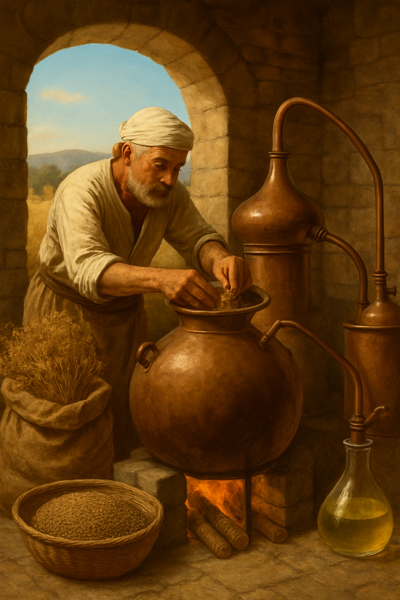
The cultivation of anise in Syria dates back to ancient civilizations, when the aromatic seeds were valued for both culinary and medicinal purposes. Today, Syrian producers combine traditional knowledge with modern agricultural practices to deliver anise seeds that consistently meet international quality standards. The country's anise production benefits from ideal climatic conditions, including warm, dry summers and mild winters that allow for optimal seed development and natural drying processes.
Syrian anise seeds exhibit the characteristic sweet, aromatic flavor profile that resembles black licorice, making them highly sought after in international markets for food processing, beverage production, and pharmaceutical applications [4]. The seeds' pale-yellow essential oil contains high concentrations of anethole, the primary compound responsible for anise's distinctive flavor and therapeutic properties.
Product Specifications and Quality Standards
Physical Characteristics
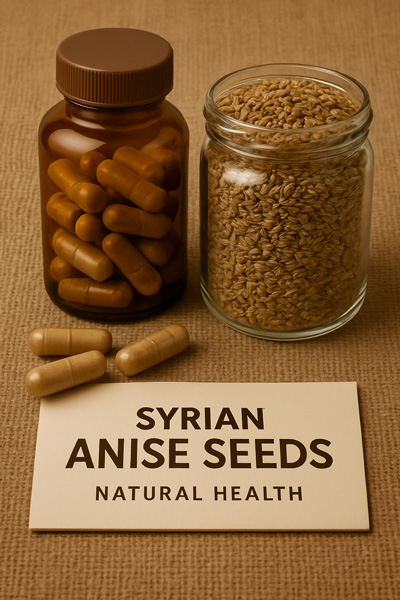
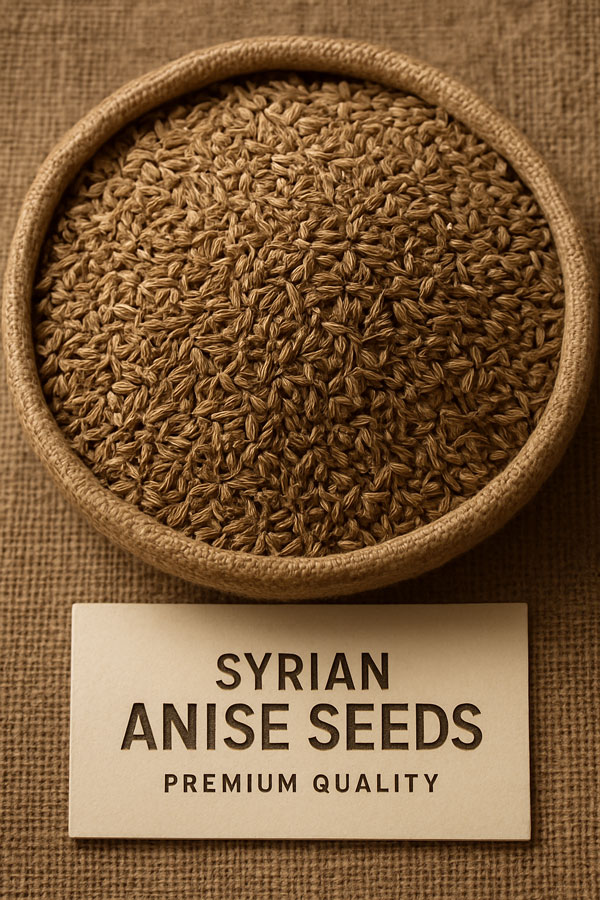
Syrian anise seeds demonstrate superior physical qualities that distinguish them in the international marketplace. The seeds typically measure 3-5 millimeters in length and display a characteristic oval shape with distinct ridges running longitudinally along their surface. Fresh Syrian anise seeds exhibit a light to medium brown coloration, though this can vary slightly depending on the specific variety and degree of maturity at harvest time [5].
The texture of premium Syrian anise seeds is firm and dry, with a moisture content maintained at optimal levels of approximately 5% to ensure long-term storage stability and prevent spoilage during international shipping [6]. When properly processed and stored, Syrian anise seeds maintain their aromatic intensity and essential oil content for extended periods, making them ideal for international trade where products may spend considerable time in transit.
Quality Syrian anise seeds produce a distinctive crackling sound when gently pressed, indicating proper drying and low moisture content. The seeds should be free from visible damage, insect infestation, or foreign matter, with premium grades achieving purity levels of 99.5% or higher [7]. The characteristic sweet, licorice-like aroma should be immediately apparent when the seeds are crushed or ground, indicating high essential oil content and freshness.
Chemical Composition and Essential Oil Content
The exceptional quality of Syrian anise seeds is largely attributed to their superior essential oil content and chemical composition. Syrian anise seeds typically contain between 1.5% and 6% essential oil, with premium grades consistently achieving levels above 2.5% [8]. This essential oil content significantly exceeds minimum international standards and provides importers with products that deliver maximum flavor impact and commercial value.
The primary component of Syrian anise essential oil is trans-anethole, which comprises 80-95% of the total oil composition. This high anethole concentration is responsible for the characteristic sweet, licorice-like flavor that makes Syrian anise seeds particularly valuable for food and beverage applications [9]. Additional compounds present in Syrian anise oil include estragole, anisaldehyde, and various terpenes that contribute to the complex aromatic profile and potential therapeutic benefits.
Laboratory analysis of Syrian anise seeds consistently demonstrates low levels of potentially harmful compounds and heavy metals, ensuring compliance with international food safety standards. The natural cultivation methods employed by many Syrian producers, combined with the country's relatively unpolluted agricultural regions, result in anise seeds with minimal chemical residues and excellent safety profiles for food applications [10].
Grading and Classification Standards
Syrian anise seed suppliers typically offer multiple grades to meet diverse importer requirements and price points. Premium Grade A anise seeds represent the highest quality tier, featuring purity levels of 99.5% or higher, essential oil content exceeding 2.5%, and uniform seed size with minimal broken or damaged pieces [11]. These premium seeds command higher prices but provide importers with products suitable for high-value applications such as premium food processing and pharmaceutical uses.
Standard Grade B anise seeds maintain purity levels of 98-99% and essential oil content of 1.5-2.5%, making them suitable for most commercial applications while offering more competitive pricing [12]. This grade represents the bulk of Syrian anise seed exports and provides excellent value for importers serving mainstream food and beverage markets.
Commercial Grade C anise seeds, while maintaining food safety standards, may include higher percentages of broken seeds or slightly lower essential oil content. These grades are typically used for industrial applications, animal feed supplements, or markets where price sensitivity is the primary consideration [13].
Market Analysis and Global Demand Trends
Current Market Dynamics
The global anise seed market has experienced steady growth over the past decade, driven by increasing consumer interest in natural flavoring agents, traditional medicine, and artisanal food products. Market research indicates that the anise seed industry reached a valuation of USD 1.5-1.7 billion in 2024, with projections suggesting continued expansion to USD 2.1-2.6 billion by 2030-2033 [14]. This growth trajectory represents significant opportunities for importers seeking to capitalize on expanding demand across multiple market segments.
Regional demand patterns reveal particularly strong growth in North American and European markets, where consumers increasingly seek natural alternatives to synthetic flavoring agents. The craft beverage industry, including artisanal spirits and specialty liqueurs, has emerged as a significant driver of premium anise seed demand [15]. Traditional anise-flavored beverages such as pastis, ouzo, and anisette continue to maintain steady market share while new product innovations expand the potential applications for high-quality anise seeds.
The pharmaceutical and nutraceutical sectors represent another growing market segment for Syrian anise seeds. Increasing consumer awareness of anise's traditional medicinal properties, including digestive support and respiratory health benefits, has driven demand for standardized anise extracts and supplements [16]. This trend particularly benefits Syrian suppliers, whose products' high essential oil content and purity levels make them ideal for pharmaceutical applications requiring consistent potency and quality.
Competitive Landscape and Syrian Advantages
Syria's position in the global anise seed market benefits from several competitive advantages that make it an attractive sourcing destination for international importers. The country's long history of anise cultivation has resulted in the development of superior varieties and cultivation techniques that consistently produce high-quality seeds [17]. Syrian producers' deep understanding of optimal harvesting timing, processing methods, and storage techniques ensures that exported products maintain their quality throughout the international supply chain.
Cost competitiveness represents another significant advantage for Syrian anise seed suppliers. The country's agricultural infrastructure, combined with favorable exchange rates and lower labor costs compared to European producers, enables Syrian exporters to offer competitive pricing while maintaining quality standards [18]. This cost advantage is particularly important for importers serving price-sensitive market segments or seeking to improve profit margins on anise-containing products.
Syria's geographic location provides logistical advantages for serving both European and Middle Eastern markets. The country's established export infrastructure and experienced trading companies facilitate efficient shipping and documentation processes, reducing the complexity and cost of international procurement [19]. Many Syrian anise seed exporters have developed long-term relationships with international buyers, providing reliability and consistency that importers value in their supply chain planning.
Import Requirements and Regulatory Compliance
International Trade Regulations
Importing anise seeds from Syria requires compliance with various international trade regulations and documentation requirements that vary by destination country. Most importing nations require phytosanitary certificates issued by Syrian agricultural authorities, confirming that the anise seeds are free from plant diseases and pests that could threaten local agriculture [20]. These certificates must be obtained from the Syrian Ministry of Agriculture and accompany all commercial shipments.
Food safety documentation represents another critical requirement for anise seed imports. Importers must ensure that Syrian suppliers provide certificates of analysis demonstrating compliance with maximum residue limits for pesticides, heavy metals, and microbiological contaminants [21]. Many importing countries have specific requirements for aflatoxin testing, as this naturally occurring toxin can occasionally affect stored spices and seeds.
Customs documentation must include accurate product descriptions, harmonized system (HS) codes, and country of origin declarations. Anise seeds typically fall under HS code 0909.61, with specific subcategories for seed quality versus culinary grade products [22]. Proper classification ensures appropriate duty rates and helps prevent customs delays that could affect product quality during extended storage periods.
Quality Assurance and Testing Protocols
Establishing robust quality assurance protocols is essential for successful anise seed importation from Syria. Importers should require suppliers to provide comprehensive certificates of analysis for each shipment, including testing results for essential oil content, moisture levels, purity percentages, and microbiological safety parameters [23]. These documents serve both regulatory compliance purposes and quality control objectives.
Third-party laboratory testing provides additional assurance for importers, particularly when establishing new supplier relationships or entering regulated markets such as pharmaceuticals or organic foods. Independent testing laboratories can verify supplier claims regarding essential oil content, chemical composition, and safety parameters [24]. Many importers establish ongoing testing protocols that include random sampling of incoming shipments to ensure consistent quality over time.
Traceability documentation has become increasingly important in international spice trade, with many buyers requiring detailed records of cultivation practices, processing methods, and supply chain handling. Syrian suppliers who can provide comprehensive traceability information, including farm locations, harvest dates, and processing facility details, often command premium prices and develop stronger long-term customer relationships [25].
Organic and Specialty Certifications
The growing demand for organic anise seeds has created opportunities for Syrian suppliers who can meet international organic certification standards. Organic certification requires compliance with strict guidelines regarding cultivation practices, processing methods, and supply chain handling [26]. Syrian producers seeking organic certification must demonstrate that their anise seeds are grown without synthetic pesticides, fertilizers, or genetically modified organisms.
Several international organic certification bodies operate in Syria or accept documentation from Syrian-based certifiers. The most widely recognized certifications include USDA Organic for the United States market, EU Organic for European destinations, and JAS Organic for Japanese imports [27]. Obtaining these certifications requires significant documentation and periodic inspections but enables access to premium market segments with higher pricing.
Kosher and Halal certifications represent additional opportunities for Syrian anise seed suppliers serving religious communities or food manufacturers with specific dietary requirements. These certifications require oversight by qualified religious authorities and documentation of processing methods and facility cleanliness standards [28]. Many Syrian suppliers have obtained these certifications to expand their market reach and serve diverse customer bases.
Sourcing Strategies and Supplier Selection

Identifying Reliable Syrian Suppliers
Successful anise seed importation from Syria begins with identifying reliable suppliers who can consistently deliver quality products and professional service. The AlTojjar platform serves as an invaluable resource for connecting international importers with verified Syrian anise seed suppliers who have demonstrated their capability to meet international standards [29]. Through AlTojjar's comprehensive supplier verification process, importers can access detailed profiles of Syrian exporters, including their production capabilities, quality certifications, and export experience.
When evaluating potential Syrian suppliers, importers should prioritize companies with established export track records and documented quality management systems. Suppliers who have successfully served international markets for multiple years typically possess the infrastructure, knowledge, and reliability necessary for consistent performance [30]. References from existing international customers provide valuable insights into supplier performance, delivery reliability, and problem-resolution capabilities.
Production capacity and seasonal availability represent critical factors in supplier selection. Syrian anise seed production follows natural seasonal cycles, with harvesting typically occurring during late summer and early autumn months [31]. Suppliers with adequate storage facilities and inventory management systems can provide year-round availability, while those with limited storage may only offer fresh crop products during specific periods. Understanding these dynamics helps importers plan their procurement schedules and inventory requirements.
Due Diligence and Supplier Verification
Comprehensive due diligence processes help importers minimize risks and establish successful long-term supplier relationships. Financial stability assessment should include review of supplier company registration, business licenses, and export permits issued by Syrian authorities [32]. Suppliers with proper legal standing and regulatory compliance demonstrate professionalism and reduce the risk of supply chain disruptions.
Facility inspections, either in-person or through third-party auditing services, provide valuable insights into supplier capabilities and quality control systems. Modern processing facilities with appropriate cleaning, sorting, and storage equipment typically produce higher quality products with greater consistency [33]. Suppliers who welcome facility inspections and provide transparent access to their operations demonstrate confidence in their capabilities and commitment to quality.
Quality management system documentation should include standard operating procedures for harvesting, processing, storage, and shipping activities. Suppliers with documented quality control processes, including regular testing protocols and corrective action procedures, typically deliver more consistent products and respond more effectively to quality issues when they arise [34]. ISO certification or similar quality management standards provide additional assurance of systematic quality control approaches.
Contract Negotiation and Terms
Effective contract negotiation establishes clear expectations and protects both importers and suppliers throughout the business relationship. Product specifications should be precisely defined, including minimum essential oil content, maximum moisture levels, purity requirements, and acceptable tolerance ranges [35]. Clear specifications prevent misunderstandings and provide objective criteria for quality acceptance or rejection decisions.
Pricing structures should account for market volatility and seasonal variations in anise seed availability. Many successful importers establish long-term contracts with price adjustment mechanisms that reflect changes in production costs or market conditions [36]. Fixed-price contracts may offer budget certainty but could result in supply shortages during periods of high demand or poor harvests.
Payment terms and trade finance arrangements require careful consideration, particularly when working with new suppliers or in markets with currency volatility. Letters of credit provide security for both parties but may increase transaction costs and complexity [37]. The AlTojjar platform offers trade finance solutions and guidance that can help importers and Syrian suppliers establish mutually beneficial payment arrangements while managing financial risks.
Logistics and Supply Chain Management

Shipping and Transportation Considerations
Efficient logistics management is crucial for maintaining anise seed quality during international transportation from Syria to destination markets. Proper packaging protects the seeds from moisture, contamination, and physical damage during handling and shipping [38]. Syrian suppliers typically use polypropylene bags or multi-layer paper sacks for bulk shipments, with individual bag weights of 25-50 kilograms to facilitate handling while preventing excessive compression of the seeds.
Container selection and loading procedures significantly impact product quality during ocean freight transportation. Full container loads (FCL) provide better control over shipping conditions and reduce the risk of contamination from other products [39]. Proper container preparation, including cleaning and moisture control, helps maintain optimal storage conditions throughout the shipping process. Many importers specify container requirements and inspection procedures to ensure their anise seeds receive appropriate handling.
Transit time management becomes particularly important for anise seeds due to their sensitivity to prolonged exposure to heat and humidity. Direct shipping routes from Syrian ports to destination countries minimize transit times and reduce the risk of quality degradation [40]. Importers should work with experienced freight forwarders who understand the specific requirements for spice and seed transportation and can provide appropriate routing and handling services.
Storage and Inventory Management
Proper storage conditions are essential for maintaining anise seed quality after arrival at destination ports. Warehouse facilities should provide temperature control, humidity management, and protection from pests and contamination [41]. Ideal storage conditions include temperatures below 20°C (68°F) and relative humidity levels below 60% to prevent moisture absorption and potential mold development.
Inventory rotation systems help ensure that older stock is used before newer arrivals, maintaining product freshness and minimizing waste. First-in, first-out (FIFO) inventory management becomes particularly important for anise seeds, as essential oil content and aromatic intensity can diminish over extended storage periods [42]. Proper inventory tracking systems enable importers to monitor product age and plan sales activities accordingly.
Quality monitoring during storage includes periodic testing of essential oil content, moisture levels, and sensory characteristics. Regular sampling and analysis help identify any quality changes that may occur during storage and enable corrective actions before significant deterioration occurs [43]. Many successful importers establish quality monitoring schedules that include monthly or quarterly testing of stored anise seed inventory.
Distribution and Customer Service
Effective distribution strategies help importers maximize the value of their Syrian anise seed investments while serving diverse customer needs. Market segmentation based on quality requirements, price sensitivity, and application needs enables importers to optimize their product offerings and pricing strategies [44]. Premium food manufacturers may require the highest quality grades, while industrial users may accept lower grades at reduced prices.
Customer education and technical support services add value to anise seed sales and help build long-term customer relationships. Many importers provide information about proper storage, handling, and usage techniques to help their customers achieve optimal results with Syrian anise seeds [45]. Technical support services may include assistance with product selection, application development, and quality troubleshooting.
Supply chain transparency has become increasingly important to end customers who want to understand the origin and handling of their ingredients. Importers who can provide detailed information about their Syrian suppliers, cultivation practices, and quality control measures often develop stronger customer relationships and command premium prices [46]. The AlTojjar platform's emphasis on transparency and supplier verification supports these customer requirements and enhances the value proposition of Syrian anise seeds.
Applications and Market Opportunities
Food and Beverage Industry Applications
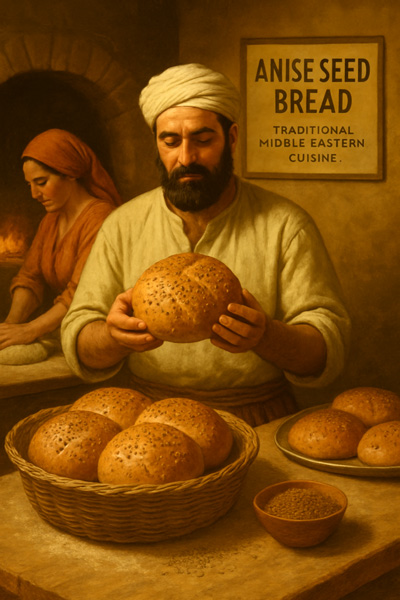
The food and beverage industry represents the largest market segment for Syrian anise seeds, with applications spanning from traditional baked goods to innovative culinary creations. Bakery applications utilize anise seeds' distinctive flavor profile in breads, cookies, cakes, and pastries, where the seeds' essential oils provide both taste and aroma enhancement [47]. Syrian anise seeds' high essential oil content makes them particularly valuable for these applications, as smaller quantities can achieve desired flavor intensity compared to lower-grade alternatives.
Confectionery manufacturers increasingly seek natural flavoring agents to replace synthetic alternatives, creating opportunities for premium Syrian anise seeds in candy, chocolate, and sugar confection applications [48]. The seeds can be used whole for texture and visual appeal or processed into extracts and essential oils for more concentrated flavoring. Syrian anise seeds' consistent quality and high purity levels make them ideal for confectionery applications where flavor consistency is critical.
The alcoholic beverage industry continues to represent a significant market for anise seeds, particularly in the production of traditional spirits such as pastis, ouzo, anisette, and absinthe [49]. Craft distilleries and artisanal spirit producers often seek premium anise seeds to differentiate their products and achieve superior flavor profiles. Syrian anise seeds' exceptional essential oil content and aromatic intensity make them highly sought after for these premium applications.
Pharmaceutical and Nutraceutical Markets
Growing consumer interest in natural health products has expanded opportunities for Syrian anise seeds in pharmaceutical and nutraceutical applications. Traditional medicine systems have long recognized anise's digestive support properties, and modern research continues to investigate the therapeutic potential of anise compounds [50]. Syrian anise seeds' high essential oil content and purity levels make them suitable for standardized extract production and pharmaceutical formulations.
Dietary supplement manufacturers utilize anise seeds and extracts in products targeting digestive health, respiratory support, and women's health applications [51]. The standardization requirements for these applications favor Syrian anise seeds due to their consistent essential oil content and chemical composition. Suppliers who can provide detailed analytical data and maintain consistent quality standards often develop long-term relationships with pharmaceutical and supplement manufacturers.
Essential oil production represents another growing market segment for premium Syrian anise seeds. The cosmetic and aromatherapy industries value anise essential oil for its distinctive fragrance and potential therapeutic properties [52]. Syrian anise seeds' high oil content and superior aromatic profile make them preferred raw materials for essential oil distillation operations seeking maximum yield and quality.
Industrial and Specialty Applications
Industrial applications for anise seeds continue to expand as manufacturers seek natural alternatives to synthetic compounds. The flavor and fragrance industry utilizes anise essential oil and extracts in a wide range of products, from food flavorings to personal care items [53]. Syrian anise seeds' consistent quality and high essential oil content make them valuable raw materials for these industrial applications.
Animal feed and veterinary applications represent emerging markets for anise seeds, as research suggests potential benefits for livestock health and performance [54]. The natural antimicrobial and digestive support properties of anise compounds may provide alternatives to synthetic feed additives. Syrian anise seeds' safety profile and natural origin make them suitable for these applications, particularly in organic and natural animal production systems.
Research and development applications in the pharmaceutical and agricultural sectors continue to explore new uses for anise compounds. Universities and research institutions studying natural product chemistry often require high-quality anise seeds for their investigations [55]. Syrian suppliers who can provide detailed analytical data and maintain consistent quality standards may develop relationships with research organizations that value reliable raw material sources.
Quality Assurance and Testing Protocols

Laboratory Testing and Analysis
Comprehensive laboratory testing forms the foundation of quality assurance for Syrian anise seed imports. Essential oil content determination represents the most critical quality parameter, as it directly impacts the commercial value and application suitability of the seeds [56]. Gas chromatography-mass spectrometry (GC-MS) analysis provides detailed information about essential oil composition, including the concentration of key compounds such as trans-anethole, estragole, and other aromatic components.
Moisture content analysis ensures that anise seeds meet storage stability requirements and comply with international trade standards. Excessive moisture can lead to mold development, quality deterioration, and reduced shelf life [57]. Standard testing methods include oven drying techniques and electronic moisture meters that provide rapid, accurate results for quality control purposes.
Microbiological testing protocols should include analysis for total plate count, yeast and mold, coliforms, and specific pathogens such as Salmonella and E. coli [58]. These tests ensure food safety compliance and help prevent contamination issues that could affect end product quality or consumer safety. Many importing countries have specific microbiological standards for spices and seeds that must be met for market entry.
Chemical Residue and Contaminant Analysis
Pesticide residue testing has become increasingly important as consumers and regulators focus on food safety and chemical contamination issues. Syrian anise seed suppliers should provide testing results for commonly used agricultural chemicals, including organophosphates, organochlorines, and carbamates [59]. Maximum residue limits vary by importing country and intended use, with organic products requiring non-detect levels for most synthetic pesticides.
Heavy metal analysis should include testing for lead, cadmium, mercury, and arsenic, as these contaminants can accumulate in agricultural products and pose health risks [60]. Syrian anise seeds typically show low levels of heavy metal contamination due to the country's relatively unpolluted agricultural regions, but regular testing provides assurance and regulatory compliance.
Aflatoxin testing represents a critical safety requirement for anise seeds, as these naturally occurring toxins can develop during storage under improper conditions [61]. Regular testing throughout the supply chain, from Syrian suppliers to final destination, helps ensure that aflatoxin levels remain below regulatory limits and maintain product safety for food applications.
Sensory Evaluation and Organoleptic Testing
Sensory evaluation provides valuable information about anise seed quality that cannot be captured through chemical analysis alone. Trained sensory panels can assess aroma intensity, flavor profile, and overall quality characteristics that impact commercial value [62]. Syrian anise seeds should exhibit the characteristic sweet, licorice-like aroma and flavor that consumers expect from high-quality products.
Visual inspection protocols should include assessment of seed color, size uniformity, and freedom from foreign matter or damaged seeds. Premium Syrian anise seeds typically display consistent light to medium brown coloration and uniform size distribution [63]. The presence of broken seeds, foreign matter, or discolored material may indicate quality issues or improper handling during processing.
Texture evaluation includes assessment of seed firmness, moisture content, and ease of grinding or processing. Properly dried and stored Syrian anise seeds should feel firm and dry to the touch, with minimal compression when gently squeezed [64]. Seeds that feel soft or show signs of moisture absorption may have quality issues that could affect storage stability or processing performance.
Economic Considerations and Pricing Strategies
Market Pricing Dynamics
Understanding anise seed pricing dynamics helps importers make informed purchasing decisions and develop effective procurement strategies. Syrian anise seed prices typically fluctuate based on seasonal availability, global demand patterns, and local production conditions [65]. Harvest timing and weather conditions in Syria can significantly impact both quality and quantity of available seeds, influencing market prices throughout the year.
Premium grade Syrian anise seeds with high essential oil content and superior purity levels command higher prices than standard commercial grades. The price differential between grades can range from 20-50%, depending on market conditions and specific quality parameters [66]. Importers serving high-value applications such as pharmaceuticals or premium food products often find that the additional cost of premium grades is justified by improved performance and customer satisfaction.
International market competition from other anise-producing countries affects Syrian anise seed pricing, with Turkey, Egypt, and Spain representing the primary competing origins [67]. Syrian suppliers' competitive advantages in quality and cost often enable them to maintain market share despite price competition from alternative sources. Long-term supply agreements can help stabilize pricing and ensure consistent availability for importers with ongoing requirements.
Cost-Benefit Analysis for Importers
Comprehensive cost-benefit analysis should include all expenses associated with Syrian anise seed importation, from initial purchase price through final delivery to customers. Transportation costs, including ocean freight, insurance, and port handling charges, can represent 10-20% of total landed cost depending on shipping distance and service level [68]. Importers should evaluate different shipping options and consolidation opportunities to optimize transportation expenses.
Quality-related costs include laboratory testing, inspection services, and potential rejection or rework expenses for substandard products. Investing in reliable Syrian suppliers with proven quality control systems can reduce these costs and improve overall profitability [69]. The AlTojjar platform's supplier verification process helps importers identify reliable partners and minimize quality-related risks.
Inventory carrying costs include warehouse storage, insurance, financing, and potential obsolescence expenses for products that exceed their optimal shelf life. Effective demand forecasting and inventory management help optimize these costs while ensuring adequate product availability [70]. Many successful importers develop sophisticated inventory models that balance carrying costs against stockout risks and customer service requirements.
Financial Risk Management
Currency exchange rate fluctuations can significantly impact the profitability of Syrian anise seed imports, particularly for long-term supply contracts. Importers should consider hedging strategies to manage currency risk, including forward contracts, options, and natural hedging through pricing adjustments [71]. The AlTojjar platform provides guidance on trade finance solutions that can help manage currency and payment risks.
Credit risk assessment becomes important when establishing payment terms with Syrian suppliers, particularly for new business relationships. Letters of credit provide security for both parties but increase transaction costs and complexity [72]. Alternative payment methods such as documentary collections or open account terms may offer cost savings for established relationships with trusted suppliers.
Political and economic risk factors in Syria require careful consideration and monitoring throughout the business relationship. While the country's agricultural sector has demonstrated resilience, importers should stay informed about political developments and economic conditions that could affect supply chain stability [73]. Diversification strategies, including multiple supplier relationships and alternative sourcing options, can help mitigate these risks.
Connecting with Syrian Suppliers Through AlTojjar
Platform Benefits and Services
The AlTojjar platform serves as the premier digital bridge connecting international anise importers with verified Syrian suppliers, offering comprehensive services that streamline the sourcing and procurement process. Through AlTojjar's sophisticated supplier verification system, importers gain access to detailed profiles of Syrian anise seed exporters who have demonstrated their capability to meet international quality standards and delivery requirements [74]. This verification process includes assessment of production capabilities, quality certifications, export experience, and financial stability.
AlTojjar's digital documentation management system simplifies the complex paperwork requirements associated with international anise seed trade. The platform facilitates the exchange of certificates of analysis, phytosanitary certificates, commercial invoices, and other essential documents required for successful importation [75]. This digital approach reduces processing time, minimizes errors, and provides secure storage of important trade documents for future reference.
The platform's trade finance solutions address one of the most significant challenges in international commerce by providing access to letters of credit, bank guarantees, and alternative financing options specifically designed for Syrian trade [76]. These services help overcome the financial infrastructure limitations that can complicate transactions with Syrian suppliers, enabling importers to establish secure payment arrangements that protect both parties' interests.
Supplier Matching and Business Development
AlTojjar's intelligent supplier matching system connects anise importers with Syrian suppliers based on specific requirements including quality grades, volume needs, delivery schedules, and certification requirements. The platform's algorithm considers factors such as supplier production capacity, export experience, and quality track record to identify the most suitable partners for each importer's unique needs [77]. This targeted approach saves time and increases the likelihood of successful long-term business relationships.
The platform facilitates direct communication between importers and Syrian suppliers through secure messaging systems, video conferencing capabilities, and document sharing tools. These communication features enable detailed discussions about product specifications, quality requirements, pricing, and delivery terms without the need for intermediaries [78]. Direct communication helps build trust and understanding between trading partners while reducing costs and potential misunderstandings.
Business development support services include market intelligence, regulatory guidance, and logistics coordination assistance. AlTojjar's team of trade experts provides insights into Syrian anise seed market conditions, pricing trends, and regulatory changes that could affect import operations [79]. This support helps importers make informed decisions and adapt their strategies to changing market conditions.
Future Outlook and Market Trends

Industry Growth Projections
The global anise seed market's projected growth trajectory presents significant opportunities for importers who establish reliable Syrian supply chains. Market research indicates that demand for natural flavoring agents will continue to expand as consumers increasingly seek alternatives to synthetic additives [83]. This trend particularly benefits Syrian anise seeds due to their superior essential oil content and natural cultivation methods.
Emerging applications in the pharmaceutical and nutraceutical sectors are expected to drive additional demand for high-quality anise seeds. Research into anise compounds' potential therapeutic benefits continues to expand, with studies investigating applications in digestive health, respiratory support, and antimicrobial treatments [84]. Syrian suppliers who can provide the consistent quality and analytical documentation required for these applications are well-positioned to benefit from this growth.
The craft beverage industry's continued expansion represents another growth driver for premium anise seeds. Artisanal distilleries and specialty beverage producers increasingly seek unique, high-quality ingredients to differentiate their products in competitive markets [85]. Syrian anise seeds' exceptional aromatic profile and traditional heritage make them attractive to these premium market segments.
Sustainability and Environmental Considerations
Environmental sustainability has become an increasingly important factor in international trade, with many importers seeking suppliers who demonstrate responsible agricultural practices. Syrian anise cultivation typically involves traditional farming methods with minimal synthetic inputs, aligning with sustainability trends in global markets [86]. Suppliers who can document their environmental practices and obtain relevant certifications may gain competitive advantages in environmentally conscious markets.
Water conservation and soil health management represent key sustainability considerations for Syrian anise producers. The country's Mediterranean climate naturally supports anise cultivation with minimal irrigation requirements, reducing environmental impact compared to production in more arid regions [87]. Suppliers who implement water-efficient irrigation systems and soil conservation practices can appeal to importers with sustainability mandates.
Carbon footprint considerations are becoming more important in international trade decisions, with some importers seeking to minimize transportation-related emissions. Syria's geographic location provides advantages for serving European and Middle Eastern markets with shorter shipping distances compared to more distant origins [88]. This proximity can support sustainability objectives while reducing transportation costs and transit times.
Technology and Innovation Opportunities
Digital transformation in agricultural supply chains presents opportunities for Syrian anise seed suppliers to enhance their competitiveness and service capabilities. Blockchain technology applications in supply chain traceability can provide importers with detailed information about product origin, handling, and quality throughout the distribution process [89]. Syrian suppliers who adopt these technologies may gain advantages in markets where traceability is increasingly important.
Precision agriculture techniques, including satellite monitoring, soil analysis, and weather data integration, can help Syrian anise producers optimize their cultivation practices and improve product consistency. These technologies enable more precise application of inputs, better timing of agricultural operations, and improved quality control [90]. Suppliers who invest in precision agriculture may achieve higher yields and more consistent quality, benefiting both their operations and their international customers.
Quality control automation, including automated sorting, cleaning, and packaging systems, can help Syrian suppliers improve efficiency and product consistency while reducing labor costs. Advanced optical sorting equipment can remove foreign matter and damaged seeds more effectively than manual processes [91]. These investments in processing technology can help Syrian suppliers maintain their competitive position in global markets while improving product quality.
Conclusions and Recommendations
Syrian anise seeds represent an exceptional opportunity for international importers seeking high-quality, competitively priced aromatic spices for diverse market applications. The combination of Syria's traditional cultivation expertise, favorable growing conditions, and competitive cost structure creates a compelling value proposition for importers serving food, beverage, pharmaceutical, and industrial markets [92]. The country's position as the historical birthplace of anise cultivation, combined with modern quality control practices, ensures that Syrian anise seeds consistently meet international standards for purity, essential oil content, and safety.
The AlTojjar platform provides the essential infrastructure and services needed to successfully establish and maintain Syrian anise seed supply chains. Through its comprehensive supplier verification process, digital documentation management, and trade finance solutions, AlTojjar addresses the key challenges that have historically complicated international trade with Syrian suppliers [93]. Importers who leverage these platform capabilities can access verified suppliers, streamline procurement processes, and manage financial risks while building profitable long-term business relationships.
Market trends strongly support increased demand for Syrian anise seeds across multiple application segments. The global shift toward natural ingredients, growing pharmaceutical and nutraceutical markets, and expanding craft beverage industry create favorable conditions for importers who establish reliable Syrian supply sources [94]. Early movers who develop strong supplier relationships and market positions may gain sustainable competitive advantages as demand continues to grow.
For importers considering Syrian anise seed sourcing, we recommend beginning with small trial orders to evaluate product quality and supplier performance before committing to larger volumes or long-term contracts. The AlTojjar platform's supplier matching services can help identify the most suitable partners based on specific quality requirements, volume needs, and delivery schedules [95]. Comprehensive due diligence, including facility inspections and reference checks, provides additional assurance when establishing new supplier relationships.
Quality assurance protocols should be established from the outset, including detailed product specifications, testing requirements, and acceptance criteria. Regular communication with Syrian suppliers helps ensure that quality expectations are clearly understood and consistently met [96]. The investment in proper quality control systems and supplier development typically pays dividends through improved product consistency and reduced quality-related costs.
We encourage international anise importers to explore the opportunities available through Syrian suppliers and the AlTojjar platform. The combination of product quality, competitive pricing, and comprehensive platform services creates an attractive proposition for importers seeking to optimize their anise seed sourcing strategies. Contact AlTojjar today to begin your journey toward establishing successful Syrian anise seed supply chains that can support your business growth and market expansion objectives.

 English
  العربية