
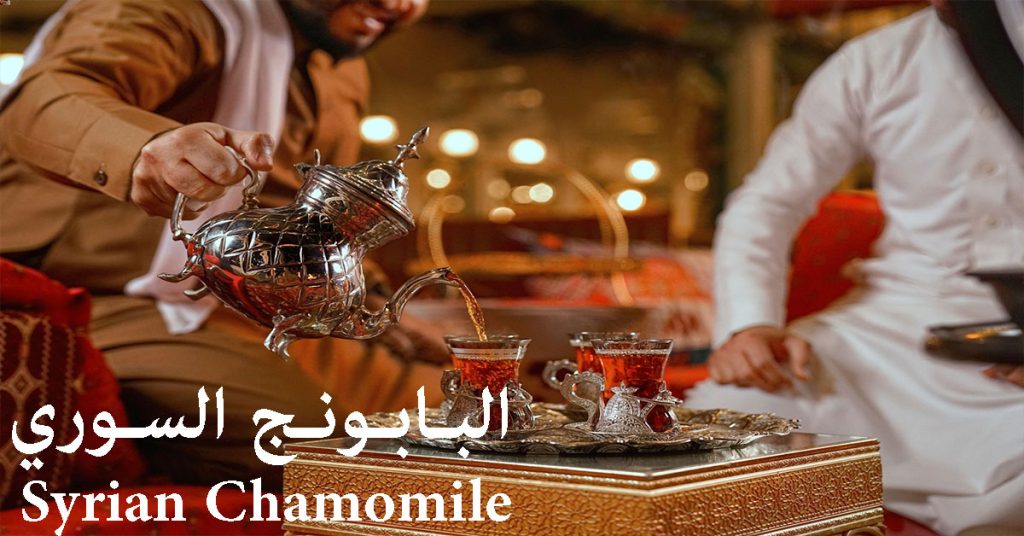
This report provides a comprehensive overview of Syrian Chamomile (Matricaria Chamomilla), addressing its botanical characteristics, market dynamics, production aspects, trade considerations, cultural significance, and business applications. The objective is to equip international importers and Syrian producers, farmers, manufacturers, and exporters on the AlTojjar platform with high-quality, valuable content to facilitate B2B trade. The global chamomile market is experiencing robust growth, driven by increasing demand for natural and herbal products across the pharmaceutical, food & beverage, cosmetic, and aromatherapy industries. Syrian Chamomile, with its unique terroir and rich cultural heritage, is well-positioned to capture a significant share of this expanding market, particularly in premium and niche segments, provided it adheres to international quality standards and leverages value-added processing opportunities.
1. Botanical Characteristics and Properties
1.1 Basic Plant Description
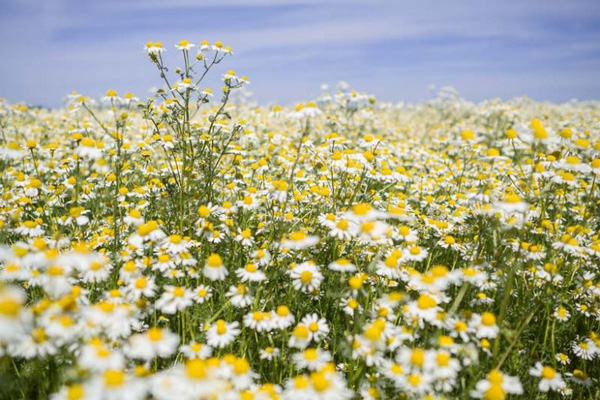
Matricaria chamomilla L., commonly known as German Chamomile or True Chamomile, is an annual plant belonging to the Asteraceae family. It typically grows to a height of 10-80 cm with a branched, erect, and heavily ramified stem. Its root system is thin and spindle-shaped, penetrating shallowly into the soil. The leaves are long, narrow, and bi- to tripinnate. The plant is characterized by its distinctive flower heads, which are 10-30 mm in diameter. These consist of golden yellow tubular florets (1.5-2.5 mm long) and 11-27 white petals (6-11 mm long, 3.5 mm wide) arranged concentrically. A key distinguishing feature of Matricaria is its hollow, conical receptacle, which is 6-8 mm wide. The fruit is a yellowish-brown achene.
1.2 Key Active Compounds
The therapeutic efficacy of chamomile is primarily attributed to its rich composition of active compounds, particularly concentrated in its essential oil, which constitutes 0.2-1.9% of the flowers. The most significant compounds include:
- Chamazulene: A sesquiterpene responsible for the characteristic blue color of chamomile essential oil. It is a potent anti-inflammatory agent.
- Alpha-bisabolol: Another sesquiterpene alcohol known for its anti-inflammatory, anti-irritant, and antimicrobial properties.
- Flavonoids: Such as apigenin, luteolin, and quercetin, which contribute to chamomile's antioxidant, anti-inflammatory, and anxiolytic (anxiety-reducing) effects.
- Coumarins: Possess anticoagulant and anti-inflammatory properties.
- Other Constituents: Chamomile also contains oils, sterols, triterpenes, saponins, tannins, alkaloids, sugars, proteins, and mucins, all contributing to its diverse pharmacological profile.
1.3 Therapeutic Properties and Traditional/Modern Uses
Chamomile has been a cornerstone of herbal medicine for thousands of years, with its multitherapeutic, cosmetic, and nutritional values established through extensive traditional and scientific use. Its primary therapeutic properties include anti-inflammatory, antiseptic, antispasmodic, carminative, healing, sedative, and spasmolytic activities.
Traditional and Internal Uses:
- Digestive Health: Widely used for stomach disturbances, sluggish digestion, diarrhea, and nausea.
- Pain Relief: Applied for colic, hysteria, and painful menstruation.
- Urinary Tract: Used for inflammation of the urinary tract.
- Calming Effects: Known for its sedative properties, aiding in relaxation and sleep.
External Uses:
- Skin Conditions: Applied to slow-healing wounds, skin eruptions, infections (like shingles and boils), and hemorrhoids.
- Inflammation: Used for inflammation of the mouth, throat, and eyes.
Industrial Applications:
- Perfumery and Cosmetics: Its essential oil is extensively used in perfumes, cosmetic creams, hair preparations, and skin lotions due to its soothing and aromatic qualities.
- Aromatherapy: Highly valued for its calming and relaxing effects.
- Food Industry: Used in herbal teas, functional beverages, and as a flavoring agent.
1.4 Global Distribution and Cultivation

True chamomile is native to southern and eastern Europe but is now cultivated worldwide. Major producers include Hungary (a primary source of plant biomass), Germany, France, Russia, Yugoslavia, and Brazil. It has also been introduced and is grown in North Africa, Asia (including India during the Mughal period), North and South America, Australia, and New Zealand.
2. Syrian Chamomile: Unique Characteristics and Growing Conditions
While Matricaria chamomilla is globally cultivated, the specific environmental conditions and traditional agricultural practices in Syria are believed to impart unique qualities to Syrian Chamomile. Although direct comparative studies specifically highlighting Syrian Chamomile's superiority over other regions are limited in publicly available research, general principles of chamomile cultivation suggest that terroir—the combination of climate, soil, and traditional methods—significantly influences the plant's chemical profile and potency.
2.1 Impact of Syrian Growing Conditions on Quality and Potency
- Climate: Syria's diverse climate, ranging from Mediterranean to semi-arid, provides suitable conditions for chamomile cultivation. The specific microclimates within these regions, characterized by ample sunlight and appropriate temperature variations, can influence the concentration and balance of active compounds in the plant.
- Soil: Chamomile thrives in well-drained, sandy loam soils with a slightly acidic to neutral pH. While detailed data on Syrian soil composition for chamomile cultivation is not widely published, traditional farming areas in Syria often possess such soil types. The mineral content and organic matter in these soils can directly impact the plant's nutrient uptake and, consequently, its chemical makeup.
- Traditional Cultivation: Traditional farming methods, often characterized by minimal use of synthetic chemicals and reliance on natural processes, contribute to the purity and potentially organic quality of Syrian Chamomile. Hand-harvesting, a common practice in traditional settings, ensures the careful selection of mature flower heads, which are richest in essential oils and active compounds.
2.2 Active Compounds and Therapeutic Properties (Syrian Context)
The general chemical composition of Matricaria chamomilla is well-documented, and Syrian Chamomile shares these core characteristics. However, the specific concentrations and ratios of compounds like chamazulene, alpha-bisabolol, and various flavonoids can vary based on the unique Syrian growing conditions and genetic variations. Studies on Syrian chamomile have focused on elemental analysis and essential oil composition, confirming the presence of these key therapeutic compounds. The emphasis for AlTojjar should be on highlighting the purity, traditional cultivation, and the rich historical context of Syrian Chamomile as factors contributing to its premium quality and unique profile.
2.3 Comparison with Chamomile from Other Regions
Syrian Chamomile, being Matricaria chamomilla, is botanically identical to German Chamomile, the most common and widely studied variety known for its high chamazulene content. This distinguishes it from Roman Chamomile (Chamaemelum nobile), a perennial plant with a different chemical profile, primarily used for its calming properties but generally with lower chamazulene content. The unique qualities of Syrian Chamomile would primarily stem from its specific terroir and the traditional cultivation practices that have been refined over generations in Syria.
3. Global Chamomile Market Analysis
The global chamomile market is dynamic and expanding, segmented across various product types including herbal tea, essential oil, extracts, and powders. This growth is largely driven by increasing consumer demand for natural and herbal products in the wellness, food and beverage, cosmetic, and pharmaceutical sectors.

3.1 Market Size and Growth Projections
The chamomile market demonstrates robust growth across its segments:
- Chamomile Herbal Tea Market: Valued at approximately USD 1.5 Billion in 2024, with projections to reach USD 2.3 Billion by 2033 (CAGR of 5.5% from 2026-2033). Some reports indicate a larger market size, valued at USD 306.14 Billion in 2024, expected to reach USD 680.49 Billion by 2032 (CAGR of 10.5%). This discrepancy highlights variations in market definition and methodology across reports.
- Chamomile Oil Market: Projected to grow from USD 6,150.5 million in 2025 to USD 9,829.3 million by 2035 (CAGR of 4.8%). Other estimates suggest a value of USD 6.09 billion by 2030 (CAGR of 8.68% from 2023-2029).
- Chamomile Extract Market: Valued at USD 140 million in 2023, projected to reach USD 240 million by 2032 (CAGR of 9.00%)ز
- Chamomile Powder Market: Estimated at USD 56 Million in 2024, expected to reach USD 90 Million by 2033 (CAGR of 5.5%).
- Chamomile Seeds Market: Expected to be around USD 689.3 million in 2025, projected to reach USD 1,060.4 million in 2035 (CAGR of 4.4%).
These projections collectively underscore a sustained and increasing global demand for chamomile and its derivatives.
3.2 Demand Trends and Drivers
Several factors are fueling the growth in chamomile demand:
- Increasing Consumer Awareness: Growing understanding of the health benefits associated with natural and herbal remedies.
- Wellness and Health Focus: Chamomile's traditional uses as a calming agent, anti-inflammatory, and digestive aid align perfectly with the rising global emphasis on holistic wellness and preventive healthcare.
- Diversified Applications: Expansion of chamomile's use beyond traditional teas into functional foods, beverages, cosmetics, and pharmaceuticals.
- Natural and Organic Products: A strong and growing preference for natural, organic, and sustainably sourced ingredients across all sectors.
3.3 Key Market Segments by End-Use Application
- Pharmaceutical & Healthcare: The dominant segment, driven by chamomile's proven medicinal properties.
- Food & Beverages: Experiencing significant growth, primarily due to the popularity of herbal teas and functional drinks.
- Cosmetics & Personal Care: A rapidly expanding segment, leveraging chamomile's soothing and anti-inflammatory benefits.
- Aromatherapy: A niche but growing application for chamomile essential oils.
4. Primary Importing Countries and Their Requirements
The global trade of chamomile involves a diverse set of importing countries, each with specific requirements driven by their industries and regulatory frameworks.
4.1 Major Importing Countries
Based on market reports and trade data aggregators, key importers of chamomile and its derivatives include:
- Germany: A leading importer, driven by its robust pharmaceutical, herbal tea, and natural cosmetics industries. Germany is known for stringent quality standards, often requiring organic certifications and adherence to European Pharmacopoeia (Ph. Eur.) standards.
- United States: A significant market for herbal teas, dietary supplements, and natural personal care products. High demand for organic and sustainably sourced chamomile. Import regulations are governed by the FDA, with emphasis on purity, labeling, and absence of contaminants.
- Peru, Kazakhstan, Philippines, Mexico: These countries frequently appear in import data, indicating substantial demand, potentially for re-export, domestic consumption in traditional medicine, or specific industrial applications.
- Other European Countries (e.g., France, UK): Exhibit strong demand for herbal teas and natural health products.
- Asian Markets (e.g., Japan, South Korea): Show increasing interest in natural ingredients for their food, beverage, and cosmetic sectors.
4.2 General Import Requirements and Considerations
International importers prioritize:
- Quality Standards: Adherence to international standards such as ISO, GMP (Good Manufacturing Practices), and pharmacopoeial standards (e.g., European Pharmacopoeia, USP). This includes specifications for essential oil content, moisture content, absence of foreign matter, and microbial limits.
- Certification: Organic certification (USDA Organic, EU Organic) is increasingly important. GAP (Good Agricultural Practices) ensures safe farming, while GMP is critical for processed products. Fair Trade certifications are also gaining importance.
- Documentation: Comprehensive documentation is essential, including Certificates of Origin, Phytosanitary Certificates, and Certificates of Analysis (CoA) detailing chemical composition and purity.
- Packaging and Storage: Proper packaging to preserve product integrity and prevent contamination, along with appropriate storage conditions (temperature, humidity).
- Traceability: Full traceability from farm to final product is increasingly required for quality control and regulatory compliance.
5. Current Market Prices and Price Trends
Precise, real-time market prices for chamomile are influenced by quality, origin, processing, certifications, and product form. However, general trends indicate an upward trajectory.
5.1 Dried Chamomile Flowers (Bulk)
- Export/Import Prices (2023-2024): Ranged from approximately $3.16 to $20.93 USD per kg in 2023, increasing to $4.66 to $22.35 USD per kg in 2024.
- Wholesale/Bulk Retail: Prices vary, with organic chamomile flowers potentially priced around $45.50 AUD per kg (approx. $30 USD/kg) for smaller bulk quantities, and lower prices for larger industrial volumes. Online retail platforms show bulk organic chamomile flowers ranging from $53-$60 USD/kg.
5.2 Chamomile Essential Oil
Essential oils command significantly higher prices due to their concentration. Small quantities (e.g., 2ml) of Roman Chamomile essential oil can be priced from $6.50 to $20 USD, indicating very high per-kilogram values for bulk purchases.
5.3 Price Trends and Influencing Factors
- Overall Upward Trend: Driven by increasing global demand for natural and herbal products.
- Premium for Quality and Certifications: Organic certification, high active compound content, and verifiable sustainable sourcing command premium prices.
- Supply Chain Impact: Geopolitical factors, climate conditions, and supply chain disruptions can cause price volatility.
6. Competitor Analysis: Major Chamomile Producing and Exporting Countries
Syrian Chamomile operates within a competitive global market. Key competitors include:
- Egypt: The world's largest chamomile producer and exporter, known for established infrastructure and large-scale cultivation.
- Germany: A significant producer of high-quality German Chamomile, also a major processor and importer.
- Hungary: Historically a major producer, especially for essential oil distillation.
- Argentina: A notable contributor to global chamomile supply.
- Other European Countries: France, Russia, and former Yugoslavian countries also have significant production.

6.1 Positioning Syrian Chamomile
To compete effectively, Syrian Chamomile should leverage its unique selling propositions:
- Terroir: Emphasize specific Syrian growing conditions that contribute to its distinct chemical profile.
- Traditional Cultivation: Highlight traditional, often organic, farming and hand-harvesting methods that ensure purity and authenticity.
- Cultural Heritage: Weave in the rich historical and cultural significance of chamomile in Syria to enhance brand appeal.
- Quality & Certification: Focus on achieving and promoting international quality certifications to build trust.
- Niche Markets: Target premium segments that value unique origin, traditional methods, and high-quality, sustainably sourced products.
7. Production & Supply Chain in Syria
7.1 Regional Production Areas in Syria
While precise mapping is limited, chamomile is cultivated across various Syrian regions with suitable climatic and soil conditions. Syria's diverse Mediterranean terroir supports medicinal plant growth. Traditional agricultural areas, often with fertile soils and access to water, are likely key production zones. Chamomile is found along agricultural roadsides in Northwestern Syria, suggesting widespread, possibly small-scale, cultivation.
7.2 Traditional and Modern Cultivation Methods
- Traditional Methods: Involve open-field cultivation with minimal intervention, reliance on natural conditions, and crucial hand-harvesting to preserve potency.
- Modern Methods: Emerging practices may include improved irrigation and sustainable agricultural techniques to optimize yield and quality.
7.3 Annual Chamomile Production Capacity and Export Volumes
Accurate and up-to-date figures on Syria's annual chamomile production are difficult to obtain, given the availability of only ten publicly available international trade data sources. This is due to various factors, including data-consuming electronics and geopolitical circumstances. However, general indicators suggest the following:
- Syria has a long tradition of cultivating medicinal herbs and has the potential to produce large quantities.
- Syrian producers, particularly for export, are likely to focus on high-quality niche markets rather than competing for volume with larger producers such as Egypt.
7.4 Challenges for Syrian Producers
- Infrastructure damage: Affecting irrigation, processing, and transportation.
- Economic sanctions: Complicating financial transactions, logistics, and market access.
- Limited access to modern agricultural inputs: such as improved seeds, fertilizers, and equipment.
- Displacement of farmers and labor shortages.
Despite these, the resilience of Syrian agriculture and the quality of its produce offer opportunities for recovery and growth.
7.5 Typical Harvest Seasons and Processing Methods
- Harvest Season: Chamomile flowers are typically harvested when fully open, usually from late spring to early summer, with peak times between June and September.
- Processing Methods: Traditional methods involve air-drying in shaded, well-ventilated areas. Commercial processing includes sorting, cleaning, packaging, and potentially distillation for essential oil or extraction for other derivatives.
- Sorting and cleaning: removing any foreign material.
- Packaging: For dried flowers.
- Distillation: To extract the essential oil.
- Extraction: To produce chamomile extracts.
These methods are crucial to maintaining the safety and potency of chamomile, ensuring it meets the standards required by international importers.
8. Cultural and Historical Context of Chamomile in Syria
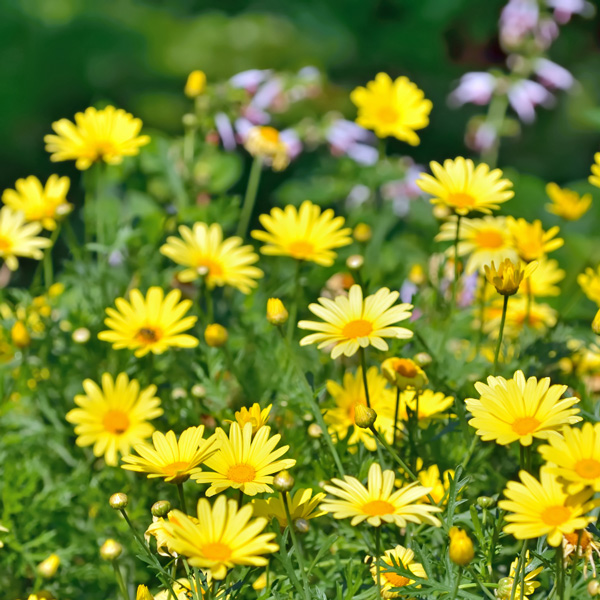
Chamomile holds deep historical and cultural significance in Syria and the broader Middle East, woven into ancient traditions, agricultural practices, and daily life.
8.1 Historical Significance in Syrian Agriculture and Culture
- Ancient Roots: Revered for millennia in Mesopotamia and the Levant. In ancient Assyrian culture, chamomile symbolized power, wellness, and royal status, appearing in art and used for medicine, decoration, and as a symbol of spring and victory.
- Traditional Medicine: Throughout Syria and the broader Middle East, chamomile has been a staple in traditional medicine for centuries. It is widely used for its calming, anti-inflammatory, and digestive properties. Its inclusion in local pharmacopeias and traditional remedies confirms its enduring importance.
- Ethnobotanical Use: Ethnobotanical surveys in Syria confirm the continued use of chamomile in local communities for various ailments, reflecting deep-rooted knowledge of its therapeutic benefits passed down through generations.
- Zahrat Shamiya: A common component in "Zahrat Shamiya," a traditional Syrian herbal tea blend. This mixture, popular throughout the Levant, typically includes a blend of dried herbs and flowers, with chamomile contributing to its calming and aromatic properties. This highlights its integration into daily cultural practices and hospitality.
8.2 Traditional Syrian Processing Methods
While there is no extensive detailed documentation of unique Syrian traditional processing methods for chamomile in public sources, traditional practices in the region typically emphasize the following:
- Hand Harvesting: Chamomile flowers are hand-picked at peak bloom to ensure maximum potency and minimize damage. This careful selection process contributes to the quality of the final product.
- Natural Drying: Flowers are traditionally air-dried in shaded, well-ventilated areas to preserve their essential oils and active compounds. This method avoids harsh artificial drying, which can lead to degradation of sensitive components.
- Minimal Processing: Traditional methods generally involve minimal processing, focusing on preserving the natural integrity of the flower. This aligns with demand for pure, unadulterated herbal products.
These traditional methods, while not unique to Syria, contribute to the perceived authenticity and quality of Syrian chamomile, especially when compared to large-scale industrial processing. For a merchant platform, emphasizing these practices can enhance product narrative and appeal to importers seeking authentic, high-quality herbal ingredients.
8.3 Cultural Stories and Heritage Aspects
- Symbol of Comfort and Healing: Chamomile is deeply rooted in cultural consciousness as a symbol of comfort, tranquility, and healing. It is often given to soothe children, calm nerves, and aid sleep, reflecting its role as a gentle and universally trusted remedy.
- Hospitality: Offering chamomile tea is a common gesture of hospitality in Syrian homes, embodying warmth and care for guests.
These cultural narratives can be powerful marketing tools, connecting international buyers not just to a product, but to a rich heritage and traditions of wellness and care.
9. Commercial Applications and Value-Added Processing Opportunities
Chamomile, particularly Matricaria chamomilla, is a versatile plant with a wide range of applications across multiple industries. Understanding these end applications is crucial for Syrian producers to identify target markets and explore value-added processing opportunities.
9.1 Main End Applications for Syrian Chamomile
- Pharmaceutical and Nutraceutical Industry: This is a key sector due to chamomile's well-documented medicinal properties.
- Therapeutic Uses: Chamomile is used in preparations for its anti-inflammatory, antispasmodic, anxiolytic (calming), sedative, and digestive properties. It is found in treatments for anxiety, insomnia, digestive disorders (colic, irritable bowel syndrome), skin irritation, and inflammation.
- Active Ingredients: Extracts and essential oils are used as active ingredients in various pharmaceutical formulations and dietary supplements.
- Food and Beverage Industry: Chamomile is widely consumed as a beverage and used as a flavoring agent.
- Herbal Tea: The most common application, valued for its calming and soothing effects. Syrian chamomile can be marketed as a premium herbal tea.
- Functional Beverages and Foods: Increasingly incorporated into health drinks, infused beverages, and ready-to-drink teas due to perceived health benefits.
- Flavoring: Used as a natural flavoring in some food products and alcoholic beverages.
- Cosmetics and Personal Care Industry: Chamomile's soothing and anti-inflammatory properties make it a popular ingredient.
- Skincare: Found in creams, lotions, and ointments for sensitive, irritated, or inflamed skin.
- Hair Care: Used in shampoos and conditioners for its soothing and calming effects on the scalp.
- Aromatherapy: Chamomile essential oil is highly valued for its calming and soothing fragrance, used in diffusers, massage oils, and bath products.
- Aromatherapy Industry: A large and growing market for chamomile essential oil.
- Relaxation and Stress Relief: Widely used for its anxiolytic and calming properties in aromatherapy practices.
- Topical Applications: Diluted in carrier oils for massage to relieve muscle tension and pain.
9.2 Industries Showing Highest Demand and Growth Potential
- Pharmaceuticals and Nutraceuticals: Continued growth driven by scientific validation of chamomile's health benefits and increased consumer demand for natural remedies.
- Functional Foods and Beverages: Rapid expansion as consumers seek health-promoting ingredients in their daily diets.
- Natural and Organic Cosmetics: Strong growth driven by the clean beauty trend and preference for plant-based ingredients.
- Aromatherapy: Sustained demand with increasing adoption of wellness practices.
9.3 Value-Added Processing Opportunities for Syrian Producers
Instead of exporting raw dried chamomile flowers, Syrian producers can significantly increase their revenues and market competitiveness by engaging in value-added processing:
- High-Quality Dried Flowers: Focus on producing high-quality dried chamomile flowers, ensuring optimal essential oil content, minimal foreign matter, and compliance with international standards for appearance and aroma. This includes careful harvesting, drying, and sorting.
- Chamomile Essential Oil: Invest in distillation facilities to produce chamomile essential oil. This is a high-value product with strong demand in aromatherapy, cosmetics, and pharmaceutical industries. Quality control for chamazulene and bisabolol content will be crucial.
- Chamomile Extracts: Produce various types of extracts (e.g., liquid, powder) for use in nutraceuticals, cosmetics, and functional foods. This requires specialized extraction equipment and expertise.
- Chamomile Tea Blends: Create unique herbal tea blends featuring Syrian chamomile, possibly with other Syrian herbs (e.g., mint, rose). This allows for branding and direct consumer appeal.
- Chamomile Powder: For use in dietary supplements, food products, or cosmetic formulations.
- Certified Organic Products: Obtaining organic certification for all processed forms will open access to premium markets and achieve higher prices.
By moving up the value chain, Syrian producers can capture a larger share of the global chamomile market, create more local employment opportunities, and enhance the overall economic benefit from their agricultural products. A merchant platform can play a pivotal role in connecting these producers with the necessary expertise, technology, and international buyers for value-added products.

 English
  العربية