

Syria stands as the world's fifth-largest exporter of spice seeds, with coriander seeds (Coriandrum sativum) representing a cornerstone of the nation's agricultural export portfolio. In 2019, Syrian coriander seeds generated $16.39 million in export revenue, marking a remarkable 67.38% growth from the previous year and establishing Syria as holding the highest global market share at 0.65% of worldwide coriander seed exports. This comprehensive guide explores the exceptional quality, market dynamics, and trade opportunities that position Syrian coriander seeds as a premium choice for international importers seeking authentic, high-quality spice products.
The Syrian coriander seed industry represents more than just agricultural commerce; it embodies centuries of cultivation expertise, optimal growing conditions, and a commitment to quality that has made Syrian spices renowned throughout the Middle East and beyond. For international buyers, Syrian wholesalers, and exporters navigating the complex landscape of global spice trade, understanding the unique value proposition of Syrian coriander seeds is essential for building successful, sustainable business relationships.
This analysis examines the technical specifications, quality standards, market positioning, and trade facilitation opportunities that make Syrian coriander seeds an attractive investment for global supply chains. Through detailed market data, quality assessments, and practical guidance for international trade compliance, this guide serves as an authoritative resource for stakeholders seeking to capitalize on Syria's agricultural excellence while contributing to the nation's economic recovery and growth.
Market Analysis: Syria's Strategic Position in Global Coriander Trade
Export Performance and Growth Trajectory
The Syrian coriander seed industry has demonstrated remarkable resilience and growth potential despite regional challenges. The 2019 export figures reveal a sector experiencing significant expansion, with total export volumes reaching 15,142 tonnes valued at $16.39 million. This represents not merely incremental growth but a substantial 67.38% increase from 2018 levels, indicating strong international demand for Syrian-origin coriander seeds.
The significance of this growth becomes even more apparent when examined within the broader context of Syria's agricultural exports. Coriander seeds, along with other spice varieties, constitute a critical component of Syria's $63.9 million spice seed export portfolio, which ranks the country as the fifth-largest global exporter in this category. This positioning reflects decades of agricultural expertise, optimal growing conditions, and a supply chain infrastructure that continues to deliver quality products to international markets.
Syria's 0.65% share of the global coriander seed export market may appear modest in absolute terms, but it represents the highest concentration among all exporting nations, demonstrating the country's specialized focus and competitive advantage in this specific agricultural sector. This concentration indicates that Syrian producers have developed particular expertise in coriander cultivation, processing, and export logistics that creates sustainable competitive advantages in international markets.
Primary Export Destinations and Market Dynamics
The geographic distribution of Syrian coriander seed exports reveals strategic market positioning that aligns with both regional preferences and international quality standards. Egypt emerges as the dominant destination, importing $7.16 million worth of Syrian coriander seeds in 2018, representing approximately 5.59 million kilograms of product. This substantial volume indicates not only strong bilateral trade relationships but also Egypt's recognition of Syrian coriander quality for both domestic consumption and potential re-export to other markets.
Saudi Arabia represents the second-largest market for Syrian coriander seeds, with imports valued at $1.38 million in 2018. The Saudi market is particularly significant for Syrian exporters because it represents access to the broader Gulf Cooperation Council (GCC) region, where Syrian agricultural products have historically maintained strong brand recognition and consumer preference. The GCC markets are characterized by sophisticated consumers who prioritize quality and authenticity, making them ideal targets for premium Syrian coriander seeds.
The presence of Turkey as a trading partner, albeit with smaller volumes of $0.12 thousand representing 17 kilograms, suggests potential for market expansion in the European gateway markets. Turkey's strategic position as a bridge between Middle Eastern and European markets creates opportunities for Syrian exporters to access broader international distribution networks through established Turkish trading relationships.
Production Capacity and Regional Specialization
Syrian coriander production is concentrated in specific geographic regions that offer optimal growing conditions for this aromatic crop. The al-Jazeera region in Kurdistan of Syria has emerged as a primary cultivation area, particularly in the southern and eastern districts where climate and soil conditions create ideal environments for coriander development. This regional specialization allows for concentrated expertise, shared best practices among farmers, and efficient logistics for collection and processing.
The 2022 production data indicates that Syria produced 33,142 tonnes of combined anise, badian, fennel, and coriander, though this represents a 51.3% decrease from previous years due to climate-related challenges. While this decline reflects the broader agricultural challenges facing the region, it also highlights the resilience of Syrian farmers and the potential for recovery as conditions stabilize and international market access improves.
Historical cultivation data suggests that coriander has been grown on approximately 8,079 feddan (approximately 3,400 hectares) with production levels reaching 7,292 tons during peak years. These figures demonstrate the established infrastructure and expertise that exists within the Syrian agricultural sector, providing a foundation for sustainable expansion as market conditions improve and international trade relationships strengthen.
Quality Excellence: Syrian Coriander Seeds Technical Specifications and Standards
International Compliance and Certification Framework
Syrian coriander seeds are produced and processed in accordance with internationally recognized quality standards that ensure consistency, safety, and authenticity for global markets. The primary regulatory framework governing coriander seed quality is established by ISO 2255-1996, which specifies comprehensive requirements for Coriandrum sativum L. in both whole and ground forms. This international standard provides the foundation for quality assessment, ensuring that Syrian coriander seeds meet the technical specifications required by sophisticated international buyers.
The Food Safety System Certification (FSSC 22000) represents the most relevant certification standard for coriander seeds entering international markets. Syrian producers and exporters working through platforms like AlTojjar are increasingly adopting FSSC 22000 protocols to demonstrate their commitment to food safety and quality management systems. This certification framework encompasses hazard analysis, critical control points, and comprehensive traceability systems that provide international buyers with confidence in product safety and quality consistency.
Codex Alimentarius standards establish the minimum requirements for coriander seeds that must be met regardless of origin or destination market. These standards address critical parameters including moisture content, foreign matter limitations, essential oil content, and microbiological safety criteria. Syrian coriander seeds consistently meet or exceed these baseline requirements, with many producers achieving quality levels that surpass minimum standards by significant margins.
European standards specify essential oil content requirements of 0.1% to 0.5% on a dry weight basis for coriander seeds. Syrian coriander seeds frequently achieve essential oil concentrations at the higher end of this range or above, reflecting the optimal growing conditions and traditional cultivation practices that characterize Syrian agricultural methods. This superior essential oil content translates directly into enhanced flavor profiles, longer shelf life, and greater value for end-users in food processing and culinary applications.
Quality Classification System and Grading Standards
The international coriander seed market operates on a sophisticated grading system that allows buyers to select products that match their specific quality requirements and price points. Syrian coriander seeds are available across multiple quality classifications, each designed to serve different market segments and applications.
Eagle Quality represents the premium grade of Syrian coriander seeds, characterized by exceptional purity levels, uniform size distribution, and superior essential oil content. Eagle Quality seeds undergo rigorous sorting processes, often utilizing advanced optical sorting technology to remove any foreign matter, damaged seeds, or color variations. This grade is particularly sought after by high-end food processors, specialty spice companies, and export markets where premium pricing justifies the additional processing investment.
Single Parrot Quality achieves 99% purity levels and represents moderate quality with minimal impurities. This classification strikes an optimal balance between quality and cost-effectiveness, making it suitable for mainstream food processing applications, restaurant supply chains, and retail packaging operations. Single Parrot Quality Syrian coriander seeds maintain excellent flavor characteristics while offering competitive pricing for volume buyers.
Double Parrot Quality provides 98% purity and is classified as industrial-grade, making it particularly suitable for essential oil extraction and large-scale food processing applications. While this grade may contain slightly higher levels of foreign matter compared to premium classifications, it maintains the essential characteristics that make Syrian coriander seeds valuable for industrial applications where processing will further refine the product.
Distinctive Characteristics of Syrian Coriander Seeds
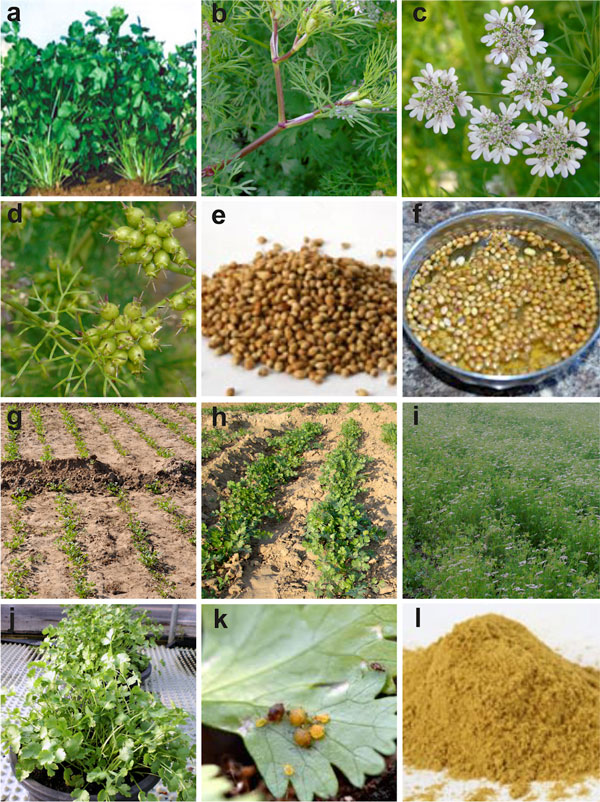
Syrian coriander seeds possess unique characteristics that distinguish them from products originating in other major producing regions. The semi-arid Mediterranean climate of Syria creates optimal growing conditions that enhance the development of essential oils and aromatic compounds that define high-quality coriander. The combination of warm, dry summers and mild winters allows for extended maturation periods that concentrate flavors and increase essential oil content.
The soil composition in Syria's primary coriander-growing regions contributes significantly to product quality. Well-drained loamy soils with optimal mineral content provide the foundation for healthy plant development and robust seed formation. These soil conditions, combined with traditional farming practices that have been refined over generations, create coriander seeds with distinctive flavor profiles that are highly valued in Middle Eastern and international markets.
Cold climate conditions and higher altitudes in certain Syrian growing regions contribute to superior seed quality through slower maturation processes that allow for more complete development of aromatic compounds. This natural advantage creates coriander seeds with enhanced essential oil content, improved storage characteristics, and more intense flavor profiles compared to products from regions with less optimal growing conditions.
The harvesting and processing methods employed by Syrian farmers further enhance product quality. Traditional timing practices ensure that coriander seeds are harvested at optimal maturity levels, typically between 90 to 135 days after planting, when essential oil content reaches peak levels. Morning harvesting practices minimize shedding losses and preserve the integrity of individual seeds, contributing to higher overall quality and reduced waste in the supply chain.
Quality Control and Testing Protocols
Syrian coriander seed producers implement comprehensive quality control protocols that begin in the field and continue through processing, packaging, and export preparation. The Syrian Ministry of Agriculture provides free testing services for agricultural products, ensuring that exports meet both domestic standards and international requirements. This government support demonstrates the national commitment to maintaining Syria's reputation for agricultural quality and facilitating international trade relationships.
Phytosanitary certification requirements ensure that all Syrian coriander seed exports are accompanied by official documentation verifying product safety and compliance with international plant health standards. These certificates are essential for market access in most international destinations and provide buyers with official assurance that products have been inspected and approved by Syrian agricultural authorities.
Private testing laboratories and certification bodies are increasingly available to Syrian exporters seeking additional quality verification for premium markets. These services include comprehensive analysis of essential oil content, moisture levels, microbiological safety, pesticide residue testing, and heavy metal analysis. The availability of these testing services enables Syrian exporters to provide detailed quality documentation that meets the requirements of sophisticated international buyers.
Traceability systems are becoming increasingly important in international spice trade, and Syrian producers are implementing systems that allow for complete tracking from farm to final destination. These systems provide buyers with detailed information about growing conditions, harvest dates, processing methods, and storage conditions, enabling better inventory management and quality assurance throughout the supply chain.
Agricultural Excellence: Cultivation Practices and Environmental Advantages
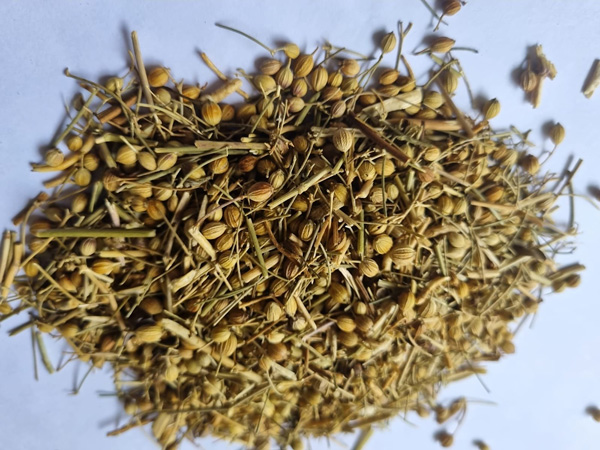
Optimal Growing Conditions and Climate Benefits
Syria's geographic position and diverse microclimates create exceptional conditions for coriander cultivation that contribute directly to the superior quality of Syrian coriander seeds. The country's semi-arid Mediterranean environment provides the ideal combination of temperature ranges, precipitation patterns, and seasonal variations that optimize coriander plant development and seed formation. These natural advantages cannot be easily replicated in other regions, giving Syrian producers a sustainable competitive advantage in global markets.
The optimal sowing period for Syrian coriander occurs during spring months, typically from March through April, when soil temperatures reach the ideal range for germination and early plant development. This timing allows plants to establish strong root systems during moderate spring conditions before experiencing the warm, dry summer months that promote essential oil development and seed maturation. The extended growing season in Syria enables more complete flavor development compared to regions with shorter growing periods or less favorable climate conditions.
Temperature variations between day and night during the growing season contribute significantly to the development of aromatic compounds in coriander seeds. The moderate daytime temperatures combined with cooler nighttime conditions create stress conditions that encourage plants to concentrate essential oils and other valuable compounds in their seeds. This natural process results in coriander seeds with higher essential oil content and more complex flavor profiles that are highly valued by international buyers.
Precipitation patterns in Syria's coriander-growing regions provide adequate moisture during critical growth phases while ensuring dry conditions during harvest periods. This natural irrigation cycle reduces the need for intensive water management while promoting healthy plant development. The dry harvest conditions are particularly important for maintaining seed quality and preventing mold or other moisture-related quality issues that can affect products from regions with less favorable weather patterns.
Soil Composition and Agricultural Practices

The soil characteristics in Syria's primary coriander-growing regions represent another significant advantage for Syrian producers. Well-drained loamy soils with balanced mineral content provide optimal growing conditions that support healthy plant development and robust seed formation. These soils retain sufficient moisture during growing periods while providing excellent drainage that prevents waterlogging and root diseases that can compromise plant health and seed quality.
Traditional Syrian farming practices, refined over generations of coriander cultivation, incorporate sustainable agricultural methods that enhance soil health and promote consistent crop quality. Crop rotation practices help maintain soil fertility while reducing pest and disease pressure, contributing to healthier plants and higher-quality seeds. These traditional methods are increasingly being combined with modern agricultural techniques to optimize yields while maintaining the quality characteristics that distinguish Syrian coriander seeds.
Organic farming potential in Syrian coriander production represents a significant opportunity for premium market positioning. Many Syrian farms already employ practices that align with organic certification requirements, including minimal use of synthetic pesticides and fertilizers, natural pest management techniques, and soil conservation practices. The growing international demand for organic spices creates opportunities for Syrian producers to access premium market segments with higher profit margins.
The International Center for Agricultural Research in Dry Areas (ICARDA) has provided technical support and training to Syrian farmers, helping to optimize cultivation practices and improve crop yields. This collaboration has introduced improved varieties, enhanced pest management techniques, and more efficient irrigation methods that contribute to both quantity and quality improvements in Syrian coriander production.
Harvesting and Post-Harvest Processing
The timing and methods used for coriander harvesting in Syria reflect generations of accumulated expertise that optimize seed quality and minimize losses. Syrian farmers typically harvest coriander in the early morning hours when dew provides slight moisture that reduces seed shattering while maintaining optimal seed integrity. This traditional practice, combined with careful handling during collection and initial processing, ensures that the highest percentage of seeds reach market in premium condition.
The maturation period for Syrian coriander, typically ranging from 90 to 135 days depending on variety and growing conditions, allows for complete development of essential oils and aromatic compounds. Syrian farmers have developed sophisticated methods for determining optimal harvest timing based on visual cues, seed color changes, and aromatic intensity that ensure maximum quality at harvest.
Post-harvest processing methods employed by Syrian producers focus on preserving the natural characteristics that make Syrian coriander seeds distinctive. Gentle cleaning processes remove foreign matter while minimizing seed damage, and controlled drying techniques ensure optimal moisture content for long-term storage without compromising essential oil content. These processing methods require significant expertise and investment in appropriate equipment, representing barriers to entry that protect the market position of established Syrian producers.
Storage and packaging practices in Syria have evolved to meet international standards while preserving product quality during extended storage periods. Climate-controlled storage facilities protect coriander seeds from temperature fluctuations and humidity changes that can degrade quality over time. Proper packaging in moisture-resistant containers with appropriate labeling ensures that products reach international buyers in optimal condition regardless of shipping duration or destination climate conditions.
Sustainability and Environmental Stewardship
Syrian coriander production increasingly incorporates sustainable agricultural practices that address environmental concerns while maintaining economic viability for farmers. Water conservation techniques, including drip irrigation and moisture retention practices, help optimize water use efficiency in a region where water resources require careful management. These practices not only reduce environmental impact but also contribute to more consistent crop quality by providing optimal moisture levels throughout the growing season.
Integrated pest management approaches reduce reliance on chemical pesticides while maintaining effective control of insects and diseases that can affect coriander crops. These methods include biological control agents, crop rotation, and resistant varieties that minimize environmental impact while preserving the natural characteristics that define high-quality Syrian coriander seeds. The reduced chemical input also aligns with international trends toward more natural and sustainable food production methods.
Soil conservation practices, including cover cropping and minimal tillage techniques, help maintain soil health and prevent erosion in Syria's agricultural regions. These practices contribute to long-term sustainability of coriander production while maintaining the soil characteristics that contribute to superior seed quality. The focus on soil health also supports biodiversity and ecosystem health in agricultural areas.
Climate adaptation strategies are becoming increasingly important as Syrian farmers respond to changing weather patterns and environmental conditions. These adaptations include variety selection for drought tolerance, modified planting schedules to optimize growing conditions, and improved water management techniques that maintain productivity under variable climate conditions. The ability to adapt to changing conditions while maintaining quality standards demonstrates the resilience and expertise of Syrian agricultural systems.
Trade Facilitation and Market Access: Navigating International Coriander Seed Commerce
Digital Trade Platforms and Business Matching
The evolution of international trade in Syrian coriander seeds has been significantly enhanced by digital platforms that connect Syrian exporters with global buyers. AlTojjar, as Syria's premier digital trade facilitation platform, serves as a critical bridge between Syrian coriander seed producers and international importers seeking authentic, high-quality products. This digital infrastructure addresses traditional barriers to international trade by providing verified business profiles, streamlined communication channels, and comprehensive product documentation that builds trust between trading partners.
The business matching capabilities offered by modern trade platforms enable Syrian coriander seed exporters to identify and connect with importers whose specific requirements align with their product offerings. This targeted approach reduces the time and cost associated with market development while increasing the likelihood of successful long-term trading relationships. For international buyers, these platforms provide access to a diverse range of Syrian suppliers, enabling comparison of quality specifications, pricing, and delivery capabilities before making sourcing decisions.
Digital documentation management systems streamline the complex paperwork requirements associated with international spice trade. These systems enable Syrian exporters to maintain comprehensive records of quality certifications, phytosanitary certificates, and compliance documentation that can be easily shared with potential buyers. The transparency and accessibility of this documentation builds confidence among international buyers while reducing the administrative burden on both exporters and importers.
Compliance verification tools integrated into digital trade platforms help ensure that Syrian coriander seed exports meet the regulatory requirements of destination markets. These tools provide real-time updates on changing regulations, tariff schedules, and import requirements that affect international trade. For Syrian exporters, this information is essential for maintaining market access and avoiding costly compliance issues that can disrupt supply chains.
Logistics Solutions and Supply Chain Optimization
The successful export of Syrian coriander seeds requires sophisticated logistics coordination that addresses the unique challenges of international spice trade. Temperature-controlled transportation is essential for maintaining product quality during extended shipping periods, particularly for premium grades where essential oil content and aromatic characteristics must be preserved. Syrian exporters are increasingly investing in cold chain logistics capabilities that ensure product integrity from farm to final destination.
Shipping and transportation coordination services help Syrian exporters navigate the complex requirements of international freight movement. These services include container booking, documentation preparation, customs clearance assistance, and coordination with international freight forwarders. The specialized knowledge required for spice transportation, including proper packaging, container selection, and handling procedures, represents a critical component of successful export operations.
Warehousing solutions in Syria and destination markets provide flexibility for managing inventory and responding to varying demand patterns. Strategic warehouse locations enable Syrian exporters to maintain stock closer to key markets, reducing delivery times and transportation costs while improving customer service. These facilities also provide opportunities for value-added services such as custom packaging, blending, and quality testing that can differentiate Syrian products in competitive markets.
Real-time tracking capabilities provide transparency throughout the supply chain, enabling both exporters and importers to monitor shipment progress and anticipate delivery schedules. This visibility is particularly important for coriander seeds, where timing can affect product quality and market pricing. Advanced tracking systems also provide data that can be used to optimize logistics operations and improve overall supply chain efficiency.
Financial Services and Trade Finance Solutions
International trade in Syrian coriander seeds requires sophisticated financial services that address the unique challenges of cross-border commerce while managing the risks associated with international payments. Letters of credit remain the preferred payment method for many international spice transactions, providing security for both exporters and importers while ensuring that payment is contingent upon proper documentation and product delivery. Syrian exporters working through established trade platforms have access to banks and financial institutions that specialize in trade finance and understand the requirements of agricultural exports.
Bank guarantees provide additional security for large transactions or long-term supply agreements, enabling Syrian exporters to compete for significant contracts while providing buyers with assurance of performance. These financial instruments are particularly important for establishing relationships with new international buyers who may be unfamiliar with Syrian suppliers but require security for their purchasing commitments.
Trade insurance solutions protect both exporters and importers against various risks associated with international commerce, including political risks, currency fluctuations, and transportation hazards. For Syrian exporters, trade insurance provides protection against payment default and political risks that could affect market access. International buyers benefit from insurance coverage that protects against product quality issues or delivery failures.
Alternative financing options are becoming increasingly important for Syrian exporters seeking to expand their international operations. These options include supply chain financing, where buyers provide early payment in exchange for discounts, and asset-based lending that uses inventory or receivables as collateral. The availability of diverse financing options enables Syrian exporters to manage cash flow more effectively while pursuing growth opportunities in international markets.
Regulatory Compliance and Market Entry Strategies
Successful entry into international coriander seed markets requires comprehensive understanding of regulatory requirements that vary significantly between destination countries. European Union markets, for example, require compliance with specific food safety regulations, labeling requirements, and traceability standards that differ from requirements in Middle Eastern or Asian markets. Syrian exporters must develop expertise in these varying requirements or work with partners who can provide regulatory guidance and compliance support.
Phytosanitary certification represents a fundamental requirement for virtually all international markets, requiring Syrian exporters to work closely with government authorities to ensure proper documentation and inspection procedures. The Syrian Ministry of Agriculture provides these services, but exporters must understand the specific requirements of destination markets and plan accordingly to avoid delays or rejections at border crossings.
Quality certification requirements vary significantly between markets, with some buyers requiring specific certifications such as HACCP, ISO standards, or organic certification. Syrian exporters seeking to access premium market segments must invest in obtaining appropriate certifications and maintaining compliance with ongoing requirements. The cost and complexity of certification can be significant, but the market access and premium pricing opportunities often justify these investments.
Tariff and trade agreement considerations affect the competitiveness of Syrian coriander seeds in different international markets. Understanding preferential trade agreements, duty rates, and potential trade barriers enables Syrian exporters to identify the most attractive markets and develop appropriate pricing strategies. Changes in trade policies can significantly affect market attractiveness, requiring ongoing monitoring and strategic adjustment.
Market Development and Customer Relationship Management
Building successful long-term relationships with international coriander seed buyers requires sophisticated customer relationship management that goes beyond simple transaction processing. Syrian exporters must understand the specific needs and preferences of different market segments, from large-scale food processors to specialty spice retailers, and develop customized approaches for each customer category. This market intelligence enables more effective sales strategies and better customer satisfaction.
Product differentiation strategies help Syrian exporters distinguish their coriander seeds from competitors in increasingly crowded international markets. These strategies may include emphasis on origin authenticity, superior quality characteristics, sustainable production practices, or specialized processing capabilities. Effective differentiation requires clear communication of value propositions and consistent delivery of promised benefits.
Technical support services provide added value for international buyers who may require assistance with product specifications, application guidance, or quality troubleshooting. Syrian exporters who can provide knowledgeable technical support often develop stronger customer relationships and achieve higher customer retention rates. This expertise also enables Syrian suppliers to participate in product development projects with international buyers.
Market intelligence and trend analysis help Syrian exporters anticipate changing market conditions and customer preferences. Understanding trends in consumer preferences, regulatory changes, and competitive dynamics enables proactive strategy development and better positioning for emerging opportunities. This intelligence is particularly important in the spice industry, where consumer preferences and regulatory requirements continue to evolve.
Competitive Advantages and Strategic Market Positioning
Heritage and Authenticity as Market Differentiators
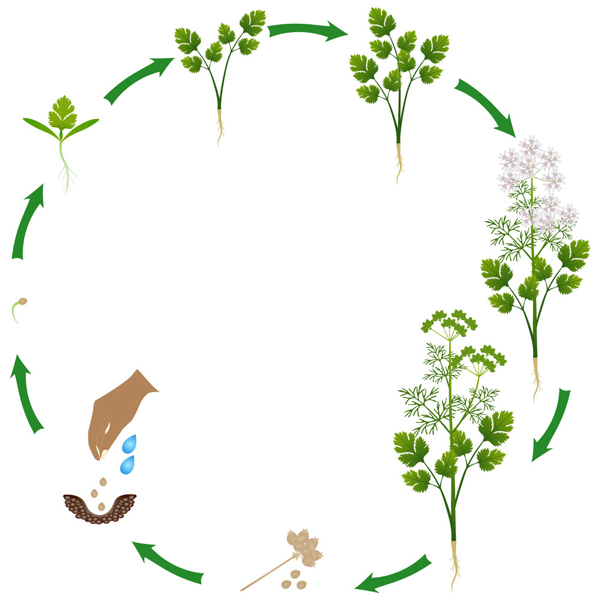
Syrian coriander seeds benefit from a unique heritage advantage that cannot be replicated by competitors in other regions. Syria's position as a historical center of spice cultivation and trade provides authenticity credentials that resonate strongly with international buyers seeking genuine Middle Eastern products. This heritage represents more than marketing appeal; it reflects generations of accumulated expertise in coriander cultivation, processing, and quality optimization that creates tangible product advantages.
The authenticity of Syrian coriander seeds extends beyond historical significance to encompass traditional cultivation practices that have been refined over centuries. These practices, including specific timing for planting and harvesting, traditional processing methods, and quality assessment techniques, contribute to distinctive product characteristics that are difficult for newer producing regions to replicate. International buyers increasingly value this authenticity as consumers become more interested in product origins and traditional production methods.
Cultural knowledge embedded in Syrian agricultural practices provides insights into optimal coriander utilization that can benefit international buyers. Syrian producers understand not only how to grow high-quality coriander seeds but also how these seeds perform in various culinary and industrial applications. This knowledge enables Syrian exporters to provide valuable guidance to international buyers regarding product selection, storage, and utilization that enhances customer satisfaction and builds long-term relationships.
The reputation of Syrian spices in international markets, built over decades of consistent quality and reliability, provides a foundation for market entry and expansion that newer competitors must work years to establish. This reputation translates into buyer confidence, reduced marketing costs, and premium pricing opportunities that provide sustainable competitive advantages for Syrian exporters.
Quality Superiority and Technical Advantages
The superior essential oil content of Syrian coriander seeds represents a measurable competitive advantage that directly impacts product value and customer satisfaction. While international standards specify essential oil content of 0.1% to 0.5% on a dry weight basis, Syrian coriander seeds frequently achieve concentrations at the higher end of this range or above. This superior oil content translates into enhanced flavor intensity, longer shelf life, and greater value for food processors and culinary applications.
The climate advantages that contribute to Syrian coriander quality cannot be easily replicated in other producing regions. The specific combination of temperature ranges, precipitation patterns, and seasonal variations that characterize Syria's growing regions creates optimal conditions for essential oil development and aromatic compound concentration. These natural advantages provide sustainable competitive positioning that is not dependent on technological investments or process improvements that competitors could potentially replicate.
Consistency in quality characteristics represents another significant advantage for Syrian coriander seeds. The established growing regions, traditional practices, and experienced farmer base contribute to predictable quality outcomes that international buyers value highly. This consistency reduces quality variability that can create problems for food processors and enables more reliable supply chain planning for international customers.
The size distribution and physical characteristics of Syrian coriander seeds align well with international buyer preferences and processing requirements. The uniform size and shape characteristics facilitate efficient processing, reduce waste, and improve final product appearance. These physical advantages, combined with superior essential oil content, create compelling value propositions for international buyers across various market segments.
Cost Competitiveness and Economic Advantages
Syrian coriander seed production benefits from favorable cost structures that enable competitive pricing while maintaining quality standards. Lower labor costs compared to developed country producers, combined with established agricultural infrastructure and expertise, create cost advantages that can be passed on to international buyers. These cost advantages are particularly important in price-sensitive market segments where Syrian producers can offer superior quality at competitive prices.
The efficiency of Syrian agricultural systems, developed through generations of experience and optimization, contributes to cost competitiveness while maintaining quality standards. Traditional practices that minimize input costs while maximizing yields provide economic advantages that benefit both producers and international buyers. These efficiencies are particularly valuable in volatile commodity markets where cost control becomes critical for maintaining competitiveness.
Currency considerations can provide additional competitive advantages for Syrian exporters when exchange rates favor international trade. The ability to price products in local currency while receiving payment in stronger international currencies can create pricing flexibility that enables more competitive positioning in international markets. This advantage requires careful management but can provide significant benefits during favorable exchange rate periods.
The lower overhead costs associated with Syrian agricultural operations, including land costs, infrastructure expenses, and regulatory compliance costs, contribute to overall cost competitiveness. These structural advantages enable Syrian producers to maintain profitability at price levels that may be challenging for producers in higher-cost regions, providing sustainable competitive positioning in international markets.
Innovation and Adaptation Capabilities
Syrian coriander seed producers demonstrate remarkable adaptability in responding to changing market conditions and customer requirements. This flexibility enables rapid adjustment to new quality specifications, packaging requirements, or delivery schedules that may be required by international buyers. The ability to customize products and services for specific market needs provides competitive advantages in increasingly demanding international markets.
Technology adoption in Syrian agriculture, while varying among producers, includes modern processing equipment, quality testing capabilities, and communication systems that enable effective international trade operations. The combination of traditional expertise with modern technology creates optimal conditions for meeting international buyer requirements while maintaining the distinctive characteristics that define Syrian coriander seeds.
Research and development capabilities, supported by institutions such as ICARDA and Syrian agricultural universities, provide ongoing improvements in cultivation practices, quality optimization, and market development. These capabilities ensure that Syrian coriander seed production continues to evolve and improve in response to changing market conditions and customer requirements.
The entrepreneurial spirit of Syrian agricultural businesses, demonstrated through their resilience during challenging periods and their commitment to international market development, provides confidence for international buyers seeking reliable long-term suppliers. This business culture emphasizes customer satisfaction, quality improvement, and relationship building that creates sustainable competitive advantages in international markets.
Strategic Positioning for Future Growth
Syrian coriander seed producers are well-positioned to capitalize on growing international demand for authentic, high-quality spice products. Consumer trends toward natural ingredients, authentic flavors, and traditional production methods align perfectly with the strengths of Syrian coriander seed production. This alignment creates opportunities for market expansion and premium positioning that can drive sustainable growth.
The development of digital trade platforms and modern logistics capabilities enables Syrian exporters to access new markets and customer segments that were previously difficult to reach. These technological capabilities, combined with traditional product advantages, create powerful competitive positioning for future market development.
Sustainability initiatives in Syrian agriculture align with international buyer preferences for environmentally responsible sourcing. The traditional practices employed by many Syrian farmers already incorporate sustainable elements that can be enhanced and certified to meet growing demand for sustainable agricultural products. This positioning provides opportunities for premium market access and differentiated positioning.
The potential for organic certification and specialty market development represents significant opportunities for Syrian coriander seed producers. The natural growing conditions and traditional practices employed in Syria provide a foundation for organic certification that could access premium market segments with higher profit margins and stronger customer loyalty.
Practical Guidance for International Trade Success
Due Diligence and Supplier Verification
International buyers seeking to establish relationships with Syrian coriander seed suppliers should implement comprehensive due diligence procedures that verify supplier capabilities, quality standards, and compliance credentials. This verification process begins with assessment of production capacity, quality control systems, and export experience that demonstrate the supplier's ability to meet specific buyer requirements consistently over time. Effective due diligence reduces risks and establishes foundations for successful long-term trading relationships.
Documentation review represents a critical component of supplier verification, including examination of quality certifications, phytosanitary certificates, export licenses, and compliance records. International buyers should verify that Syrian suppliers maintain current certifications and have established procedures for ongoing compliance with relevant standards. This documentation review should also include assessment of traceability systems that enable tracking from farm to final destination.
Facility inspections, either conducted directly or through qualified third-party services, provide valuable insights into supplier capabilities and quality control systems. These inspections should evaluate processing equipment, storage facilities, quality testing capabilities, and overall operational standards. For international buyers unable to conduct direct inspections, working with established trade platforms that provide verified supplier profiles can offer similar assurance.
Reference checks with existing customers provide practical insights into supplier performance, reliability, and customer service capabilities. International buyers should seek references from customers with similar requirements and market conditions to obtain relevant performance information. These references can provide valuable insights into supplier responsiveness, problem-solving capabilities, and overall relationship management.
Contract Negotiation and Risk Management
Successful contracts for Syrian coriander seed purchases require careful attention to quality specifications, delivery terms, payment conditions, and risk allocation between parties. Quality specifications should include detailed parameters for essential oil content, moisture levels, purity standards, and physical characteristics that align with buyer requirements and international standards. Clear specifications reduce disputes and ensure that both parties understand performance expectations.
Delivery terms should address transportation responsibilities, insurance coverage, and risk transfer points that protect both exporters and importers. Incoterms provide standardized frameworks for defining these responsibilities, but specific contract language should address unique aspects of coriander seed transportation, including temperature control requirements and handling procedures that preserve product quality.
Payment terms must balance the security needs of Syrian exporters with the cash flow requirements of international buyers. Letters of credit remain the preferred payment method for many transactions, but alternative arrangements such as documentary collections or open account terms may be appropriate for established relationships. Payment terms should also address currency considerations and potential exchange rate fluctuations.
Risk management provisions should address potential disruptions including weather-related production issues, transportation delays, regulatory changes, and force majeure events. These provisions should specify procedures for communication, alternative sourcing arrangements, and equitable allocation of costs associated with unforeseen circumstances. Clear risk management frameworks reduce uncertainty and provide guidance for managing challenging situations.
Quality Assurance and Testing Protocols
International buyers should establish comprehensive quality assurance protocols that verify product specifications upon receipt and throughout storage periods. These protocols should include sampling procedures, testing requirements, and acceptance criteria that align with contract specifications and end-use requirements. Consistent quality assurance procedures protect buyer interests while providing feedback to Syrian suppliers for continuous improvement.
Testing requirements should address critical parameters including essential oil content, moisture levels, microbiological safety, pesticide residues, and heavy metal content. International buyers should specify testing methods, acceptable laboratories, and reporting requirements that provide reliable quality verification. Some buyers may require testing by independent laboratories to ensure objectivity and accuracy.
Storage and handling procedures for received coriander seeds should preserve product quality and prevent deterioration during inventory periods. These procedures should address temperature control, humidity management, pest prevention, and inventory rotation that maintain product characteristics until final use. Proper storage practices protect the investment in high-quality Syrian coriander seeds and ensure optimal performance in final applications.
Documentation and record-keeping systems should maintain comprehensive records of quality testing, storage conditions, and product performance that enable traceability and continuous improvement. These records provide valuable data for supplier evaluation, quality trend analysis, and regulatory compliance. Effective documentation systems also facilitate problem resolution and support continuous improvement initiatives.
Market Development and Relationship Building
Successful long-term relationships with Syrian coriander seed suppliers require ongoing communication, mutual support, and collaborative problem-solving that benefits both parties. International buyers should invest in understanding Syrian business culture, communication preferences, and relationship expectations that facilitate effective collaboration. Cultural sensitivity and respect for Syrian business practices contribute to stronger relationships and better business outcomes.
Market intelligence sharing between buyers and suppliers creates mutual benefits through better understanding of market trends, customer preferences, and competitive dynamics. Syrian suppliers can provide insights into production conditions, quality variations, and supply availability, while international buyers can share information about market requirements, regulatory changes, and customer feedback. This information exchange enables better planning and decision-making for both parties.
Technical collaboration opportunities may include product development projects, quality improvement initiatives, and process optimization efforts that benefit both suppliers and buyers. Syrian suppliers often possess deep technical knowledge about coriander characteristics and applications that can benefit international buyers, while buyers may have insights into market requirements and processing technologies that can help suppliers improve their offerings.
Long-term partnership development should focus on creating mutual value through consistent business relationships, shared investment in quality improvement, and collaborative market development. These partnerships provide stability for Syrian suppliers while ensuring reliable supply sources for international buyers. Successful partnerships often evolve to include exclusive arrangements, joint marketing efforts, and shared investment in infrastructure improvements.
Conclusion: Embracing Syrian Coriander Seeds as a Strategic Sourcing Decision
The comprehensive analysis of Syrian coriander seeds reveals a compelling value proposition for international importers, Syrian exporters, and global wholesalers seeking to capitalize on authentic, high-quality spice products. Syria's position as the world's fifth-largest spice seed exporter, combined with its highest global market share concentration in coriander seeds at 0.65%, demonstrates both the scale and specialization that characterize this agricultural sector. The remarkable 67.38% growth in export value during 2019, reaching $16.39 million, indicates strong international demand and market confidence in Syrian coriander quality.
The technical advantages of Syrian coriander seeds, including superior essential oil content, optimal physical characteristics, and consistent quality profiles, provide measurable benefits for international buyers across various market segments. These advantages stem from optimal growing conditions, traditional cultivation expertise, and processing methods that have been refined over generations. The combination of natural advantages and accumulated expertise creates sustainable competitive positioning that cannot be easily replicated by competitors in other regions.
The evolution of digital trade platforms, exemplified by AlTojjar's comprehensive approach to Syrian trade facilitation, addresses traditional barriers to international commerce while building trust between Syrian suppliers and global buyers. These platforms provide verified supplier profiles, streamlined documentation management, and comprehensive support services that reduce transaction costs and risks for all parties. The integration of modern technology with traditional agricultural excellence creates powerful opportunities for market expansion and relationship development.
For international importers, Syrian coriander seeds represent an opportunity to access premium products with authentic heritage, superior quality characteristics, and competitive pricing. The established export infrastructure, quality certification capabilities, and growing digital trade facilitation provide confidence for sourcing decisions while the distinctive product characteristics enable differentiation in competitive markets.
Syrian exporters benefit from growing international recognition of their product quality, expanding market access through digital platforms, and increasing demand for authentic Middle Eastern agricultural products. The combination of traditional expertise with modern trade facilitation creates opportunities for sustainable business growth and international market development.
The strategic importance of Syrian coriander seeds extends beyond individual transactions to encompass broader objectives of economic development, international trade relationship building, and agricultural sector recovery. Supporting Syrian agricultural exports contributes to economic stability while providing international buyers with access to unique, high-quality products that enhance their competitive positioning.
Connect with Verified Syrian Coriander Seed Suppliers
AlTojjar's digital marketplace provides the ideal platform for establishing successful trading relationships between international importers and verified Syrian coriander seed suppliers. Through comprehensive supplier verification, quality documentation, and trade facilitation services, AlTojjar enables confident sourcing decisions while supporting Syrian agricultural excellence.
Join the growing network of international traders partnering with Syrian agricultural exporters to access authentic, premium coriander seeds that deliver superior quality and value. Connect with verified Syrian suppliers through AlTojjar's digital marketplace and discover the competitive advantages that Syrian coriander seeds can provide for your business.

 English
  العربية