
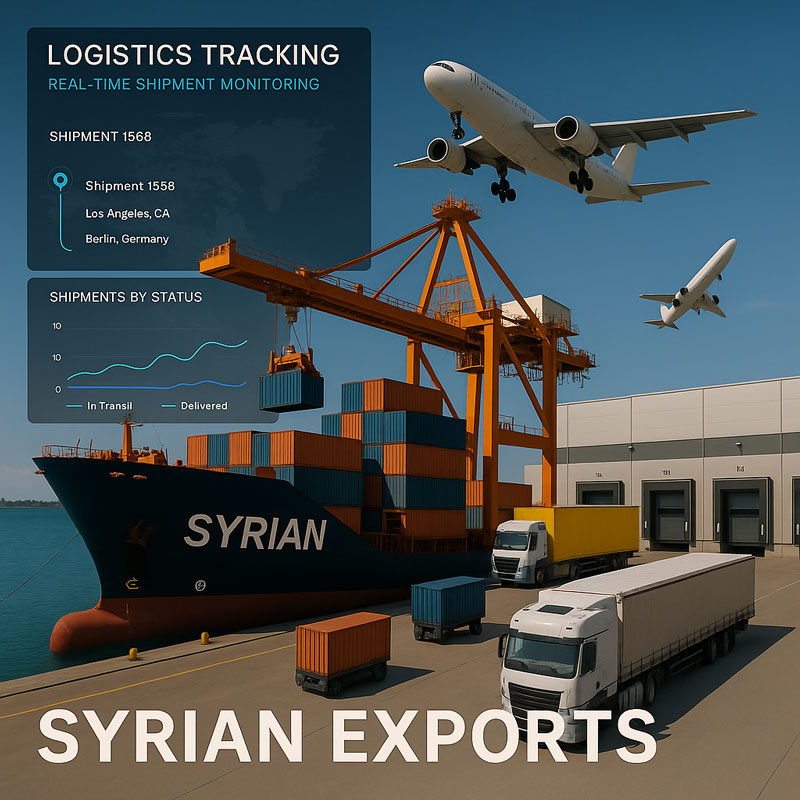
International trade, a cornerstone of economic prosperity, presents both immense opportunities and complex challenges. For Syrian traders looking to expand their reach into the lucrative European markets, navigating the intricacies of logistics is paramount. This article, drawing inspiration from foundational principles of international trade operations and AlTojjar's innovative solutions, aims to provide a comprehensive guide to optimizing shipping processes, streamlining customs, and ensuring efficient distribution for Syrian exports to Europe. By understanding and leveraging the right strategies, Syrian businesses can enhance their competitiveness and unlock new avenues for growth in the global marketplace.
Choosing Shipping Methods: Sea, Air, and Land Freight Options for European Destinations
Selecting the appropriate shipping method is a critical decision that impacts cost, transit time, and the overall efficiency of your export operations. Syrian traders have several viable options for reaching European destinations, each with distinct advantages and considerations.
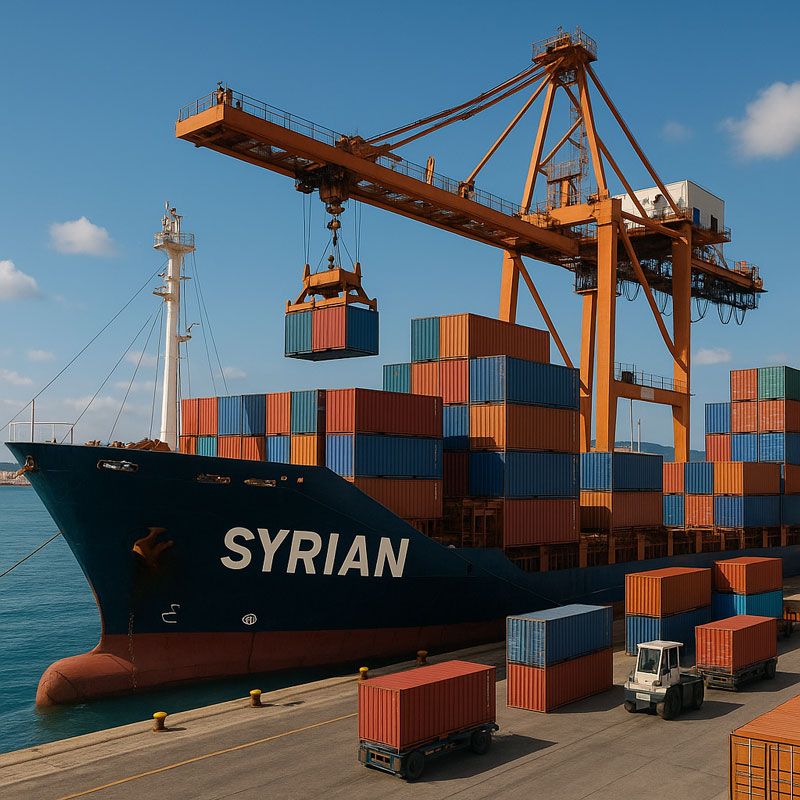
Sea Freight
Sea freight remains the most cost-effective option for large volumes and non-time-sensitive goods. It offers significant capacity and is ideal for bulk commodities, heavy machinery, and products with longer shelf lives. While slower, the economies of scale provided by sea transport can lead to substantial savings, making it a preferred choice for many Syrian exporters. Key considerations include:
- Cost-effectiveness: Generally the cheapest option for large shipments.
- Capacity: Can accommodate oversized and heavy cargo.
- Environmental Impact: Often considered more environmentally friendly per ton-mile compared to air freight.
- Transit Time: Longer transit times, typically ranging from weeks to over a month, depending on the destination and shipping route.
Air Freight
For time-sensitive, high-value, or perishable goods, air freight offers unparalleled speed and reliability. While significantly more expensive than sea freight, it drastically reduces transit times, which can be crucial for maintaining product freshness or meeting tight delivery deadlines. Considerations for air freight include:
- Speed: Fastest mode of international transport, ideal for urgent deliveries.
- Security: Generally higher security measures and lower risk of damage or theft.
- Cost: Highest cost per unit, making it suitable for high-value or low-volume goods.
- Capacity: Limited by aircraft cargo space and weight restrictions.
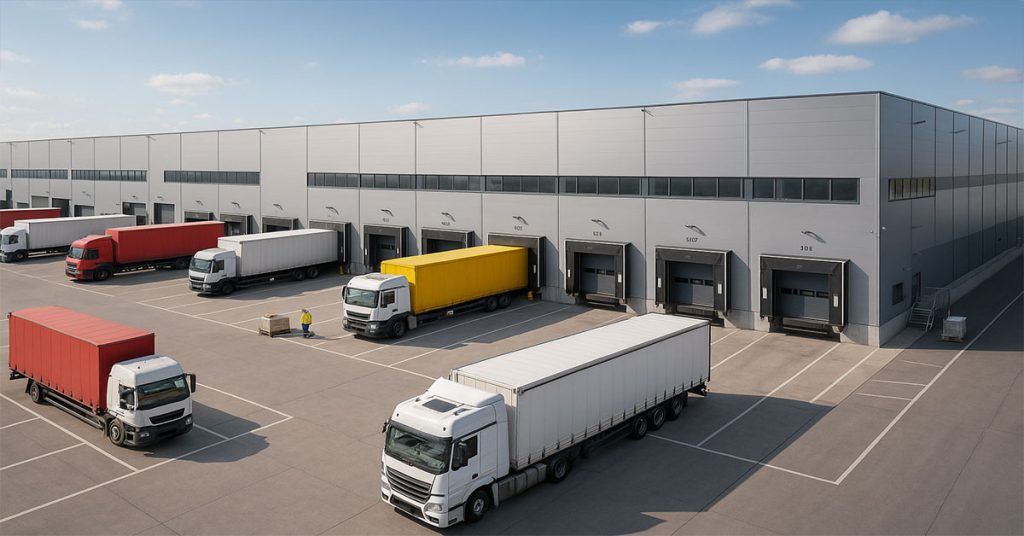
Land Freight
Land freight, primarily through road transport, plays a vital role in connecting Syria to neighboring European countries, particularly for goods destined for Southern and Eastern Europe. It offers flexibility and door-to-door delivery, making it suitable for various cargo types. This method is often used in conjunction with sea or air freight for the initial or final leg of the journey. Key aspects include:
- Flexibility: Offers door-to-door service and can adapt to specific routes.
- Accessibility: Ideal for landlocked regions or destinations not directly served by sea or air.
- Cost: More economical than air freight, but potentially more expensive than sea freight for long distances.
- Transit Time: Faster than sea freight, but slower than air freight, depending on border crossings and road conditions.
Syrian traders should carefully evaluate their product type, urgency, budget, and destination when choosing the optimal shipping method. Often, a combination of these methods (multimodal transport) can provide the most efficient and cost-effective solution.
Customs Procedures in Europe: Streamlining Clearance for Syrian Goods
Navigating customs procedures is a critical step in ensuring the smooth and timely entry of Syrian goods into European markets. While recent developments have seen some easing of sanctions, it is imperative for Syrian traders to remain fully informed about the current regulatory landscape and to ensure strict compliance with all EU import regulations. The European Union maintains a complex framework of customs laws, and understanding these is key to avoiding delays, penalties, and potential disruptions to trade.
Understanding the Evolving Sanctions Landscape
Historically, EU sanctions against Syria have posed significant challenges to trade. However, recent legislative changes, such as EU Regulations 2025/1098 and 2025/1094, have led to a substantial lifting of economic sanctions. This means that many previous prohibitions on the import, purchase, and transport of certain goods from Syria have been removed. Despite this easing, some restrictions remain, particularly concerning items that could be used for internal repression or those related to cultural property. It is crucial for exporters to verify the current status of their specific goods against the latest EU regulations.
Key Documentation and Requirements
To streamline customs clearance, Syrian exporters must ensure all necessary documentation is accurate, complete, and submitted in a timely manner. While Syrian exporters are not directly required to have an EORI (Economic Operators Registration and Identification) number, their EU importers will need one to clear goods through customs. Essential documents typically include:
- Commercial invoice: A detailed record of the transaction, including seller and buyer information, description of goods, quantity, price, and terms of delivery.
- Packing List: Provides details of the contents of each package, including weight and dimensions.
- Bill of Lading (for sea freight) or Airway Bill (for air freight): A contract between the shipper and the carrier, serving as a receipt for the goods and a document of title.
- Certificate of Origin: Verifies the country of origin of the goods, which can impact tariffs and trade agreements.
- Customs Declaration: A formal declaration to the customs authorities, detailing the goods being imported.
- Licenses and Permits: Depending on the nature of the goods (e.g., agricultural products, certain chemicals), specific import licenses or permits may be required by EU authorities.
Best Practices for Smooth Clearance
- Due Diligence: Thoroughly research and understand the specific import requirements for your product in the target European country. Regulations can vary slightly between EU member states.
- Accurate Classification: Correctly classify your goods using the Harmonized System (HS) codes. Misclassification can lead to delays and fines.
- Work with Experienced Partners: Collaborate with reputable freight forwarders, customs brokers, and logistics providers who have expertise in EU customs procedures and the Syrian trade context. AlTojjar's network can connect you with such reliable service providers.
- Pre-clearance: Where possible, utilize pre-clearance procedures to expedite the process upon arrival.
- Stay Updated: The regulatory environment can change. Regularly consult official EU customs websites and seek advice from trade experts to stay abreast of any new developments or amendments to sanctions.
By meticulously preparing and adhering to European customs regulations, Syrian traders can significantly reduce potential friction at borders, ensuring their goods reach their European destinations efficiently and without unnecessary impediments.
By meticulously preparing and adhering to European customs regulations, Syrian traders can significantly reduce potential friction at borders, ensuring their goods reach their European destinations efficiently and without unnecessary impediments.
Once Syrian goods have successfully cleared customs in Europe, the next crucial step is efficient warehousing and distribution to reach their final destinations. A well-planned warehousing and distribution strategy can significantly reduce lead times, optimize inventory management, and enhance customer satisfaction. Europe boasts a sophisticated logistics infrastructure with numerous strategically located warehousing and distribution hubs.
Strategic Hubs in Europe
Key logistics hubs in Europe are often situated near major ports, airports, and road networks, offering excellent connectivity for onward distribution. Countries like Germany, the Netherlands, Belgium, and France are particularly prominent due to their central geographical location and advanced logistics capabilities. For instance, locations such as Venlo (Netherlands), Antwerp-Brussels (Belgium), and Rotterdam (Netherlands) are recognized as prime spots for pan-European warehousing. These hubs provide access to a vast consumer market and efficient onward transportation to various European countries.
Types of Warehousing Solutions
Syrian exporters can consider various warehousing solutions based on their volume, frequency of shipments, and specific distribution needs:
- Public Warehousing: Offers flexible storage solutions for businesses with fluctuating inventory levels. You pay only for the space and services you use, making it cost-effective for smaller or intermittent shipments.
- Contract Warehousing (3PL - Third-Party Logistics): Involves outsourcing warehousing and distribution functions to a specialized logistics provider. This can include storage, inventory management, order fulfillment, packaging, and even value-added services. 3PL providers offer expertise, technology, and economies of scale, allowing exporters to focus on their core business.
- Bonded Warehousing: Allows goods to be stored without payment of duties or taxes until they are withdrawn for consumption or re-export. This can be particularly beneficial for managing cash flow and for goods destined for multiple European markets or re-export outside the EU.
Efficient Distribution Strategies
- Cross-Docking: A logistics practice where incoming goods are directly transferred to outbound transportation with minimal or no storage in between. This speeds up delivery and reduces warehousing costs, suitable for fast-moving goods.
- Consolidation Centers: For smaller shipments, consolidating goods from multiple Syrian exporters at a European hub before onward distribution can reduce transportation costs and improve efficiency
- Last-Mile Delivery: The final leg of the delivery process from a distribution center to the end customer. Partnering with local distribution networks in Europe is essential for timely and cost-effective last-mile delivery.
Tips for Optimizing Warehousing and Distribution
- Location, Location, Location: Choose a warehousing location that minimizes transit times and costs to your target European markets.
- Technology Integration: Look for logistics partners who utilize advanced warehouse management systems (WMS) for efficient inventory tracking and order fulfillment.
- Scalability: Ensure your chosen solution can scale up or down based on your export volumes.
- Compliance: Verify that the warehousing provider adheres to all relevant European regulations, including safety, environmental, and product-specific storage requirements.
By strategically planning their warehousing and distribution, Syrian traders can ensure their products move seamlessly from European ports of entry to the hands of their customers, enhancing their reputation for reliability and efficiency.
AlTojjar's Logistics Network: Connecting Exporters with Reliable Service Providers
In the complex world of international trade, having a trusted partner to navigate logistics challenges is invaluable. AlTojjar serves as a vital digital bridge, connecting Syrian exporters with a robust network of reliable logistics service providers, specifically tailored to facilitate efficient and reliable delivery of Syrian exports to European markets. This network is a cornerstone of AlTojjar's comprehensive logistics solutions, designed to overcome the unique logistical hurdles faced by Syrian businesses.
AlTojjar's platform acts as a central hub, offering:
- Vetted Service Providers: Access to a curated list of freight forwarders, customs brokers, and warehousing companies with proven track records in international shipping, particularly to Europe. This eliminates the guesswork and risk associated with finding reliable partners.
- Streamlined Coordination: The platform facilitates seamless communication and coordination between exporters and logistics providers, ensuring that all aspects of the shipping process, from booking to delivery, are managed efficiently.
- Tailored Solutions: AlTojjar understands that each export is unique. Its network can provide customized logistics solutions, whether it's for perishable goods requiring specialized handling, oversized cargo, or complex multi-modal shipments.
- Expert Guidance: Beyond just connections, AlTojjar offers expert guidance on optimizing logistics routes, selecting the most cost-effective shipping methods, and navigating regulatory requirements, drawing on its deep understanding of both Syrian and European trade landscapes.
By leveraging AlTojjar's logistics network, Syrian exporters can gain a significant competitive advantage, reducing operational complexities and ensuring their products reach European markets with greater ease and efficiency.
Real-time Tracking: Ensuring Transparency and Timely Delivery
In today's fast-paced global trade environment, visibility and transparency are paramount. Real-time tracking of shipments has become an indispensable tool for exporters, providing peace of mind and enabling proactive management of the logistics process. For Syrian traders, real-time tracking ensures that they are always aware of the status and location of their goods as they make their way to European markets, contributing to timely delivery and enhanced customer satisfaction.
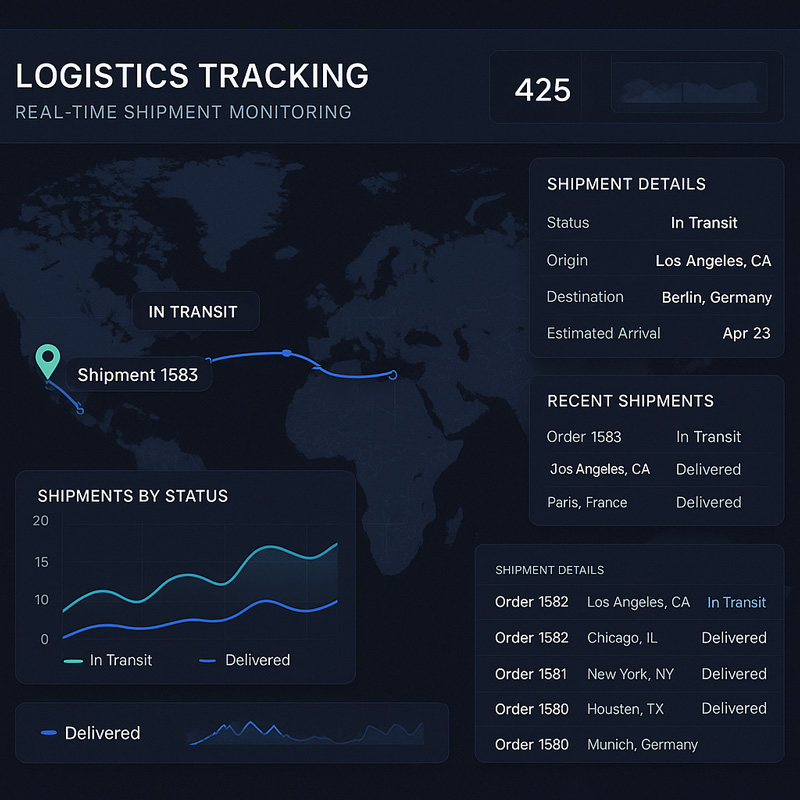
Benefits of Real-time Tracking
- Enhanced Visibility: Exporters can monitor their shipments at every stage, from departure to arrival, including transit points and customs clearance.
- Proactive Problem Solving: Early detection of potential delays or issues allows for timely intervention and resolution, minimizing disruptions.
- Improved Customer Service: Exporters can provide accurate and up-to-date information to their European buyers, building trust and improving communication.
- Better Inventory Management: Precise knowledge of shipment arrival times enables more efficient planning of inventory and warehousing at the destination.
- Increased Security: Real-time tracking can help deter theft and provide immediate alerts in case of unexpected deviations.
How AlTojjar Facilitates Real-time Tracking
AlTojjar integrates real-time tracking capabilities into its logistics solutions, offering Syrian exporters a comprehensive overview of their shipments. This is achieved through:
- Platform Integration: AlTojjar's platform connects with the tracking systems of its network of logistics providers, consolidating information into a single, user-friendly interface.
- Automated Updates: Exporters receive automated notifications and updates on key milestones, such as departure, arrival at ports, customs clearance, and delivery.
- Data Analytics: The collected tracking data can be analyzed to identify patterns, optimize routes, and improve future logistics planning.
By embracing real-time tracking, Syrian exporters can significantly enhance the transparency and reliability of their supply chains, ensuring that their products reach European customers efficiently and predictably. This commitment to timely delivery is a key factor in building long-term trade relationships and fostering confidence in Syrian exports.
AlTojjar's Value
AlTojjar offers comprehensive logistics solutions, including shipping coordination and real-time tracking, to ensure efficient and reliable delivery of Syrian exports to European markets, overcoming logistical challenges. The platform's commitment to digital trade facilitation, coupled with its robust network of vetted service providers, empowers Syrian businesses to navigate the complexities of international shipping with confidence and ease. By providing transparency, expert guidance, and tailored solutions, AlTojjar significantly enhances the competitiveness of Syrian exports in the global marketplace.
Call to Action
Optimizing logistics is a continuous journey, and AlTojjar is here to support Syrian traders every step of the way. If you are a Syrian exporter looking to streamline your shipping processes, navigate complex customs procedures, or find reliable logistics partners for your European exports, we encourage you to:
- Contact AlTojjar for personalized trade finance guidance: Our experts can provide tailored advice and solutions to meet your specific needs.
- Explore AlTojjar’s B2B matching services: Connect with verified international buyers and expand your market reach.
- Utilize AlTojjar’s trade facilitation tools: Access resources and support to simplify your export journey.
Unlock the full potential of your Syrian exports to Europe with AlTojjar – your trusted partner in international trade.

 English
  العربية