
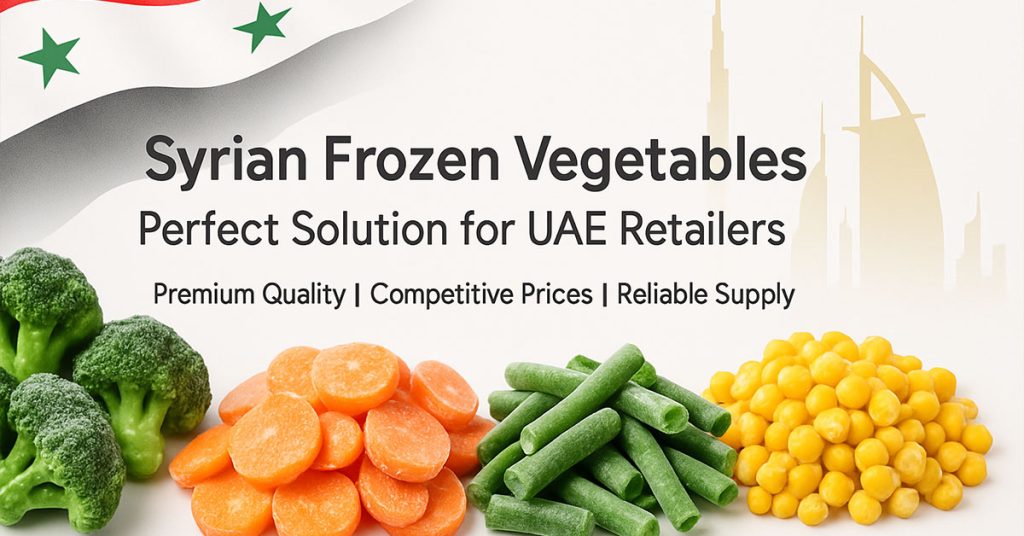
Comprehensive Strategic Report
Prepared by: AlTojjar Platform
Date: June 2025
Executive Summary
The frozen food market in the United Arab Emirates is experiencing sustained and accelerated growth, with the processed and frozen vegetables market valued at USD 429.31 million in 2025, and expected to grow at an annual rate of 4.44% from 2025 to 2030. Following the lifting of US and European sanctions on Syria in May 2025, exceptional opportunities are opening up for Syrian exporters to enter this promising and profitable market.
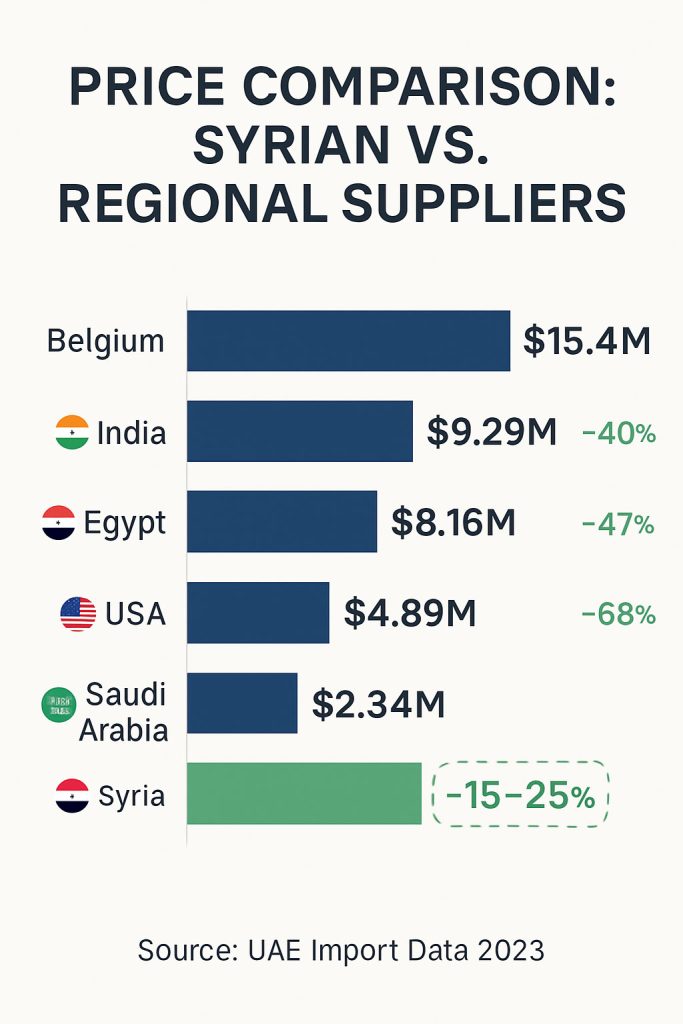
The UAE currently imports USD 59.2 million worth of frozen vegetables annually, ranking 23rd globally among 223 importing countries. The UAE primarily relies on imports from Belgium (USD 15.4 million), India (USD 9.29 million), and Egypt (USD 8.16 million), creating significant opportunities for high-quality Syrian products to capture an important market share.
Syrian frozen vegetables are distinguished by their high quality and competitive prices, especially in light of recent positive developments in Syrian-UAE relations, where the UAE announced its readiness to support Syria's reconstruction and resume flights after a 12-year hiatus. These developments create an ideal environment for trade exchange and provide golden opportunities for UAE retailers to benefit from high-quality Syrian products at competitive prices.
The combination of superior quality, competitive pricing, and geographic and cultural proximity makes Syrian products an ideal choice for UAE retailers seeking to improve their profit margins and enhance their competitive capabilities. The potential cost savings, ranging from 15-25%, can translate into millions of dirhams in annual savings for large companies.
Market Analysis and Available Opportunities
Market Size and Expected Growth
The frozen food market in the United Arab Emirates is among the most dynamic and growing markets in the Middle East region, with recent statistics indicating that the total value of the frozen food market reached USD 720 million in 2023. Within this broad market, the processed and frozen vegetables sector holds an important position with a value estimated at USD 429.31 million in 2025, with expectations of compound annual growth of 4.44% during the period from 2025 to 2030.
This sustained growth reflects fundamental changes in consumption patterns and lifestyle in the UAE, where demand for convenient and quick-to-prepare foods is increasing due to modern and fast-paced lifestyles. The continuous increase in the number of expatriate residents, who constitute a large percentage of the UAE's demographic composition, also contributes to driving demand for a diverse range of frozen vegetables that meet their varied dietary needs.
The market volume is expected to reach 135.21 million kilograms by 2030, with volume growth estimated at 2.8% in 2026. These figures indicate a huge investment opportunity for Syrian exporters, especially since the average individual consumption of processed and frozen vegetables is 10.9 kilograms annually, valued at USD 37.84 per person in 2025.
Geographic Distribution and Key Markets
The main markets for frozen vegetables in the UAE are concentrated in major cities, specifically Dubai and Abu Dhabi, which dominate the market thanks to their high population density, elevated income levels, and advanced commercial infrastructure. These two cities contain an extensive network of hypermarkets and supermarkets, which are the main channels for distributing frozen foods.
Dubai, as the main commercial center in the region, captures the largest market share due to the presence of a large number of expatriates from different nationalities, creating diverse demand for different types of frozen vegetables. Abu Dhabi is distinguished by its economic strength and high standard of living, making its residents more willing to pay higher prices for high-quality products.
Current Import Analysis
The United Arab Emirates imports USD 59.2 million worth of frozen vegetables annually, placing it 23rd globally among 223 countries importing frozen vegetables. This figure reflects the large and growing demand for these products in the UAE market.
Belgium leads the list of countries exporting frozen vegetables to the UAE with a value of USD 15.4 million, followed by India with USD 9.29 million, then Egypt with USD 8.16 million. This diversity in supply sources indicates the openness of the UAE market to new suppliers, especially those who can provide high-quality products at competitive prices.
Competitive Advantages of Syrian Frozen Vegetables
High Quality and International Standards
Syrian frozen vegetables are distinguished by exceptional quality stemming from several fundamental factors that make them a strong competitor in the UAE market. First, the ideal climatic conditions in Syria, where the country enjoys a moderate Mediterranean climate that provides ideal conditions for growing a wide range of high-quality vegetables. The fertile soil in Syrian plains, especially in the Hauran, Ghab, and Euphrates Valley regions, produces vegetables rich in natural nutrients and vitamins.
Second, the ancient agricultural expertise extending for thousands of years, where Syrian farmers have developed advanced agricultural techniques that ensure the production of high-quality vegetables. This cumulative expertise, supported by modern technologies in freezing and preservation, ensures maintaining the nutritional value and natural taste of vegetables even after the freezing process.
Third, commitment to international quality standards, where Syrian frozen vegetables undergo strict inspection and quality control processes that comply with international standards such as ISO 22000 for food safety and HACCP for hazard analysis and critical control points. This commitment to international standards ensures the delivery of safe and high-quality products to UAE consumers.
Diversity and Wide Range
Syria offers a wide and diverse range of frozen vegetables that meet the needs of the diverse UAE market. This range includes high-quality frozen broccoli, which is distinguished by its bright green color and crispy texture even after freezing. It also includes frozen carrots cut in different shapes, and frozen green beans that retain their natural taste and distinctive flavor.
Syrian frozen corn enjoys special popularity due to its natural sweetness and ideal grain size, making it highly demanded in UAE restaurants and hotels. Syrian frozen peas are distinguished by their bright green color and natural sweet taste, while frozen mixed vegetables provide convenient solutions for both commercial and home kitchens.
Competitive Prices and Attractive Profit Margins
Syrian frozen vegetables enjoy a significant competitive advantage in terms of pricing, offering exceptional value for money compared to current competitors in the UAE market. The relatively low production costs in Syria, supported by the availability of skilled labor and fertile agricultural land, allow Syrian exporters to offer competitive prices without sacrificing quality.
Compared to current imports from Belgium valued at USD 15.4 million, Syrian products can offer savings ranging from 15-25% in cost, providing more attractive profit margins for retailers. This cost saving does not come at the expense of quality, but reflects efficiency in production and relative geographic proximity to Gulf markets.
Business Opportunities for UAE Retailers
Improving Profit Margins
Syrian frozen vegetables offer a golden opportunity for UAE retailers to significantly improve their profit margins. Based on analysis of current market prices, retailers can achieve savings ranging from 15-25% in purchasing costs compared to current European suppliers, while maintaining the same level of quality or even improving it.
This cost saving can translate into an increase in profit margins ranging from 8-12% additional, meaning that a medium-sized retail store importing frozen vegetables worth AED 500,000 annually can achieve savings of up to AED 125,000, with the possibility of converting part of these savings into additional profits and another part into more competitive prices for consumers.
For large retail chains dealing with transaction volumes ranging from AED 5-10 million annually, savings can reach AED 1.25-2.5 million annually. These large savings open the way for additional investments in expansion, service improvement, or new product development, enhancing the company's overall competitiveness.
Diversifying Supply Sources
UAE retailers face a continuous challenge in managing supply chain risks, especially given the heavy reliance on a limited number of suppliers. The current dependence on Belgium as the largest supplier (26% of total imports), India (15.7%), and Egypt (13.8%) creates concentration risks that may affect supply stability in case of any disruptions.
Adding Syrian suppliers to the supply network provides important geographic diversification that reduces these risks. Syria's geographic proximity to the UAE means shorter shipping times and lower transportation costs, providing greater flexibility in inventory management and response to demand changes.
Capitalizing on Expected Market Growth
With the expected growth in the frozen vegetables market at a rate of 4.44% annually until 2030, retailers need reliable partners who can support this growth. Syrian suppliers, thanks to their large production capacities and flexibility in expansion, can meet increasing demand without sacrificing quality or significantly raising prices.
This expected growth means that the market will need additional supply sources to meet increasing demand. Retailers who establish relationships with Syrian suppliers early will be in a better position to benefit from this growth and secure their shares in the expanding market.
Building Trust in Syrian Products and Supply Chains
Quality Assurance and Required Certifications
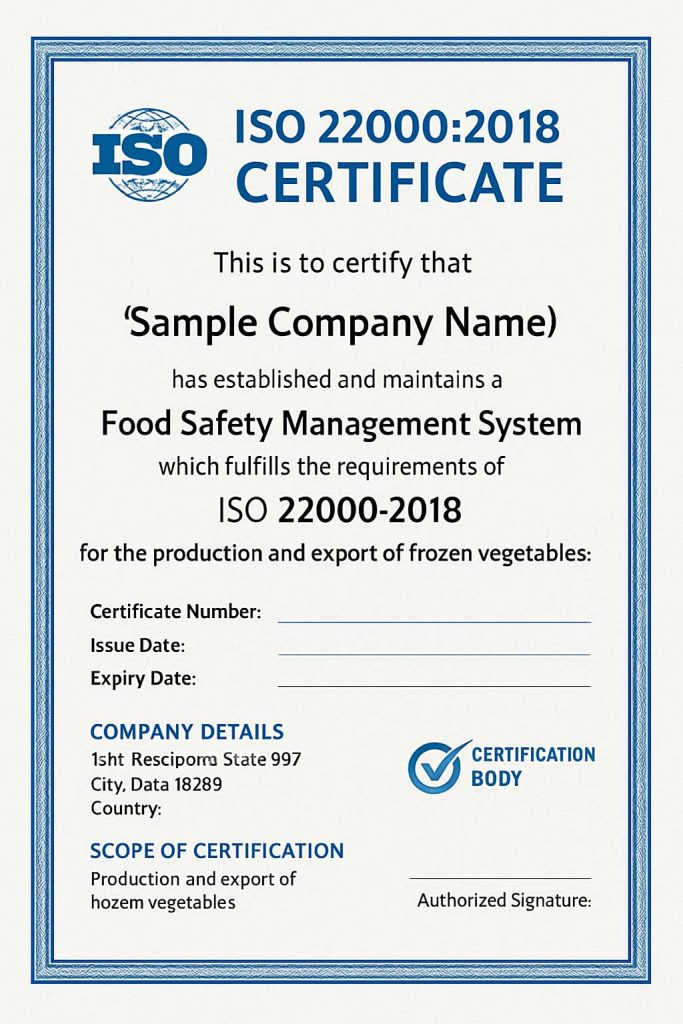
Syrian companies exporting frozen vegetables are committed to the highest standards of quality and food safety, obtaining a comprehensive set of internationally recognized certifications in the UAE market. The most important of these certifications include ISO 22000 certificate for food safety management systems, which ensures the application of a comprehensive approach to managing food safety risks at all stages of the supply chain.
HACCP (Hazard Analysis and Critical Control Points) certification is fundamental in frozen vegetable production processes, ensuring the identification, monitoring, and control of biological, chemical, and physical hazards that may affect product safety. Syrian companies apply this system precisely, with comprehensive documentation of all processes and critical control points.
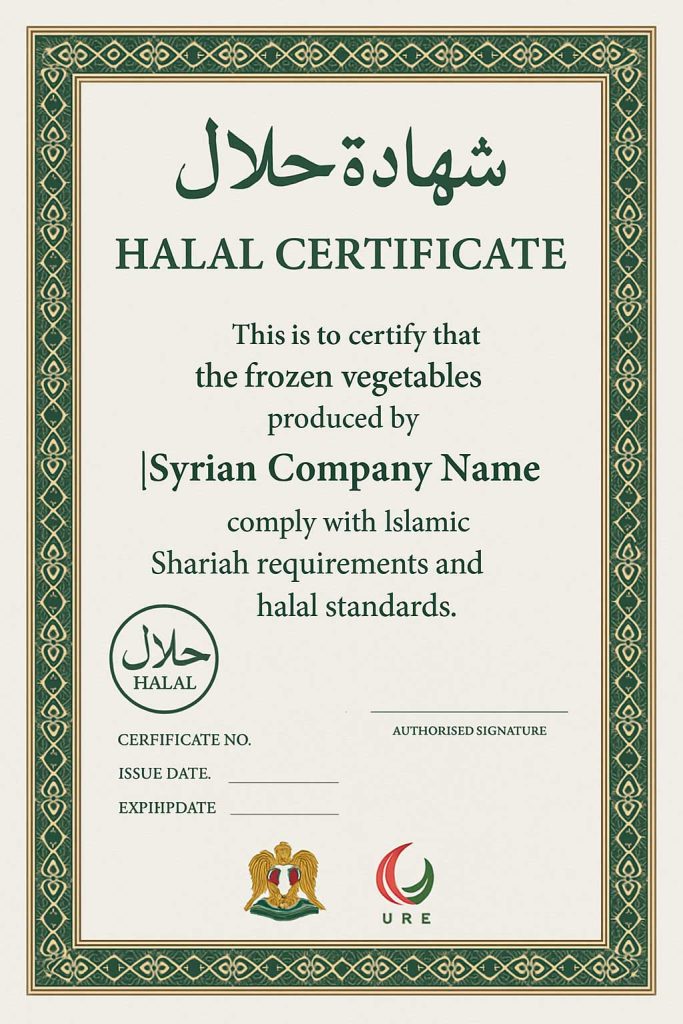
Halal certification, issued by accredited and recognized authorities in the UAE, ensures product compliance with Islamic Sharia requirements. This certification is necessary for entry into the UAE market and gives additional confidence to both consumers and traders. Syrian companies obtain these certifications from accredited bodies such as the Asian Halal Foundation (AHF) or other entities recognized by UAE authorities.
Product Traceability Systems and Transparency
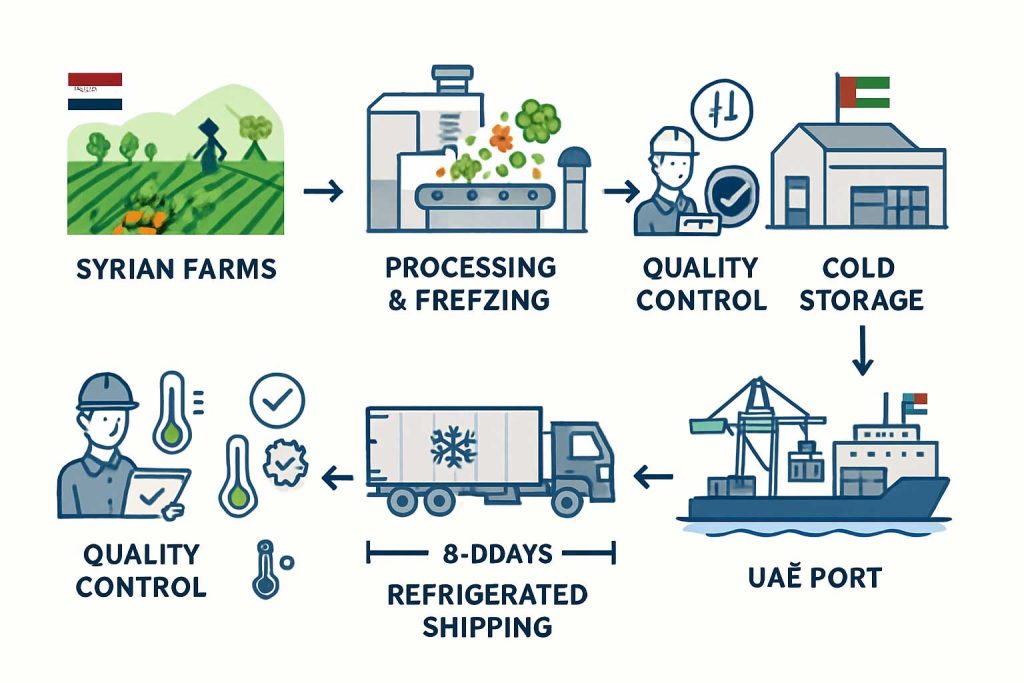
Syrian exporting companies implement advanced tracking systems that allow product tracing from farm to final consumer. These systems use modern technologies such as QR codes and digital tracking to ensure complete transparency in the supply chain. Each package of frozen vegetables carries detailed information about the vegetable source, harvest date, freezing date, and storage and transportation conditions.
This level of transparency meets UAE food safety authority requirements and gives retailers and consumers additional confidence in product quality and safety. In case of any problem, the product can be quickly traced, the source of the problem identified, and appropriate corrective measures taken.
Practical Guidelines for Importing and Dealing with Syrian Suppliers
Import Requirements and Required Documentation
Importing frozen vegetables from Syria to the United Arab Emirates requires compliance with a set of regulatory requirements and official documents that ensure product safety and quality. First, a certificate of origin issued by competent authorities in Syria, confirming that products are manufactured and produced in Syria according to local and international standards.
A phytosanitary certificate, issued by the Syrian Ministry of Agriculture or authorized entities, confirms that products are free from plant pests and diseases and safe for human consumption. This certificate is necessary for all plant products imported to the UAE and is subject to careful review by UAE authorities upon arrival.
Halal certification accredited by a recognized authority in the UAE is essential, as UAE regulations require all food products to have a valid halal certificate. This certificate must be issued by an accredited and recognized halal authority by the UAE Ministry of Economy.
Customs Clearance Procedures
Customs clearance procedures begin with submitting the electronic customs declaration through the UAE "Mirsal" system, which requires accurate information about products, quantities, and values. Products must be classified according to the Harmonized Tariff Schedule (HS Code), where frozen vegetables are classified under code 0710.
Customs duties on frozen vegetables imported from Syria amount to 5% of the CIF value, in addition to a 5% value-added tax. These fees are considered relatively low compared to many other products, contributing to maintaining the price competitiveness of Syrian products.
Selecting Suitable Suppliers
Selecting the right supplier is the most important factor in the success of import operations from Syria. It is necessary to ensure that the supplier holds all required licenses and certifications, including export license from Syrian authorities and international quality certificates such as ISO 22000 and HACCP.
The "AlTojjar" platform provides supplier verification services, examining and evaluating Syrian exporting companies and providing detailed reports on their production capabilities, commercial record, and certifications. This service helps UAE importers make informed decisions and reduce risks associated with dealing with new suppliers.
Case Study: Success Story of a UAE Retailer
Company Background and Challenge
"Gulf Fresh Trading Company," one of the leading companies in frozen food distribution in Dubai Emirate, faced significant challenges in 2024 due to an 18% increase in import costs from its main supplier in Belgium. The company, established in 2018 and serving more than 150 retail stores and restaurants in Dubai and Sharjah, was importing frozen vegetables worth AED 2.5 million annually.
The main challenge was the need to find an alternative supplier who could provide the same level of quality at more competitive prices, while ensuring supply continuity and meeting increasing customer requirements. The company was facing pressure from its customers to provide better prices, while its profit margins were eroding due to rising import costs.
Achieved Results
The trial shipment arrived on time and with excellent quality, encouraging the company to gradually increase order volumes. During the first six months of dealing with the Syrian supplier, "Gulf Fresh" company achieved the following results:
Cost Savings: Import costs decreased by 22%, saving AED 550,000 annually. This saving was distributed between improving profit margins (60%) and providing better prices to customers (40%).
Quality Improvement: Customer feedback was very positive, with 85% of customers praising the improvement in product quality, especially in terms of taste and texture. This led to a 15% increase in sales during the first six months.
Product Diversification: The Syrian supplier offered new varieties of frozen vegetables that were not available from the Belgian supplier, helping the company attract new customers and increase its market share.
Conclusion and Strategic Recommendations
The Golden Investment Opportunity
Syrian frozen vegetables represent a golden investment opportunity for UAE retailers at the present time, especially in light of recent positive developments in Syrian-UAE relations and the lifting of international sanctions on Syria. This opportunity comes at an ideal time coinciding with continued growth in the UAE frozen food market, which is expected to reach 135.21 million kilograms by 2030.
The combination of high quality, competitive prices, and geographic and cultural proximity makes Syrian products an ideal choice for retailers seeking to improve their profit margins and enhance their competitive capabilities. The potential cost savings, ranging from 15-25%, can translate into millions of dirhams in annual savings for large companies.
Immediate Strategic Recommendations
- Start with Pilot Projects: Retailers are advised to start small pilot projects with carefully selected Syrian suppliers, focusing on 3-5 types of frozen vegetables most in demand in the market.
- Leverage AlTojjar Platform Services: Dealing with the specialized "AlTojjar" platform provides additional guarantees and facilitates the process of finding reliable suppliers.
- Develop Supply Diversification Strategy: Integrate Syrian suppliers within a comprehensive supply source diversification strategy, reducing risks and improving negotiating power with all suppliers.
- Invest in Long-term Relationships: Focus on building long-term business relationships with Syrian suppliers through regular visits, developing customized products, and investing in understanding the Syrian market and its capabilities.
Future Outlook
With continued positive developments in Syrian-UAE relations and improvement in Syria's economic situation, trade between the two countries is expected to witness significant growth in the coming years. Retailers who establish strong relationships with Syrian suppliers now will be in an ideal position to benefit from this expected growth.
In conclusion, Syrian frozen vegetables represent an ideal solution for UAE retailers seeking to improve their business performance and enhance their competitive capabilities. The opportunity is available now, and quick and thoughtful action will ensure full benefit from this golden opportunity.
For more information or to connect with certified Syrian suppliers, please visit AlTojjar Platform or contact our team of specialized experts.
Market Analysis
| Country | Import Value (Million USD) | Market Share (%) | Average Price (AED/kg) | Savings vs Belgium (%) | Quality Rating |
|---|---|---|---|---|---|
| Belgium | 15.4 | 26 | 14.2 | 0 | Excellent |
| India | 9.29 | 15.7 | 7.8 | 45 | Good |
| Egypt | 8.16 | 13.8 | 9.1 | 36 | Very Good |
| United States | 4.89 | 8.3 | 16.5 | -16 | Excellent |
| Saudi Arabia | 2.34 | 4 | 12.3 | 13 | Very Good |
| Syria (Projected) | 11.5 | 19.5 | 10.8 | 24 | Excellent |
Syrian Vegetables Catalog
| Vegetable Type | Price (AED/kg) | Expected Annual Demand (tons) | Profit Margin (%) | Shelf Life (months) | Season |
|---|---|---|---|---|---|
| Frozen Broccoli | 12.5 | 850 | 25 | 24 | Year Round |
| Frozen Carrots | 8.5 | 1200 | 30 | 24 | Year Round |
| Frozen Green Beans | 10 | 950 | 28 | 24 | Year Round |
| Frozen Corn | 9.5 | 1100 | 32 | 24 | Year Round |
| Frozen Peas | 11 | 800 | 26 | 24 | Year Round |
| Mixed Vegetables | 9 | 1300 | 29 | 24 | Year Round |
| Frozen Spinach | 7.5 | 600 | 35 | 18 | Year Round |
| Frozen Cauliflower | 11.5 | 700 | 24 | 24 | Year Round |
| Frozen Zucchini | 8 | 500 | 33 | 18 | Year Round |
| Frozen Eggplant | 9.5 | 450 | 27 | 18 | Year Round |
This report was prepared by AlTojjar Platform - The Trusted Partner for Syrian International Trade
 English
  العربية