
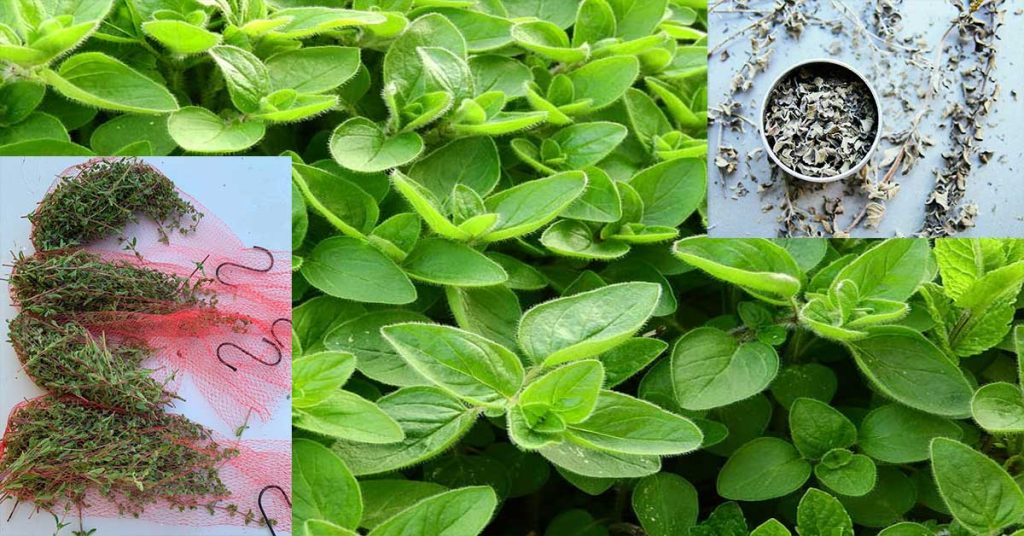
Syria, a land steeped in ancient agricultural traditions, has long been a source of diverse and aromatic herbs and spices. Among these, marjoram holds a significant place, both in local culinary practices and as a potential contender in the global spice market. This comprehensive report aims to bridge the information gap between international importers seeking authentic, high-quality agricultural products and Syrian producers, farmers, manufacturers, and exporters looking to expand their global reach. Our focus is specifically on Origanum majorana, commonly known as sweet marjoram, while also addressing the common association and occasional confusion with Origanum syriacum, often referred to as Syrian oregano or za'atar.
The purpose of this document is twofold: first, to provide international importers with a detailed understanding of Syrian Origanum majorana, its characteristics, potential uses, and the unique value proposition it offers. Second, to equip Syrian producers with critical insights into international market dynamics, quality standards, and best practices for successful export, thereby fostering sustainable growth and economic empowerment within the Syrian agricultural sector.
Origanum Majorana: Characteristics and Uses
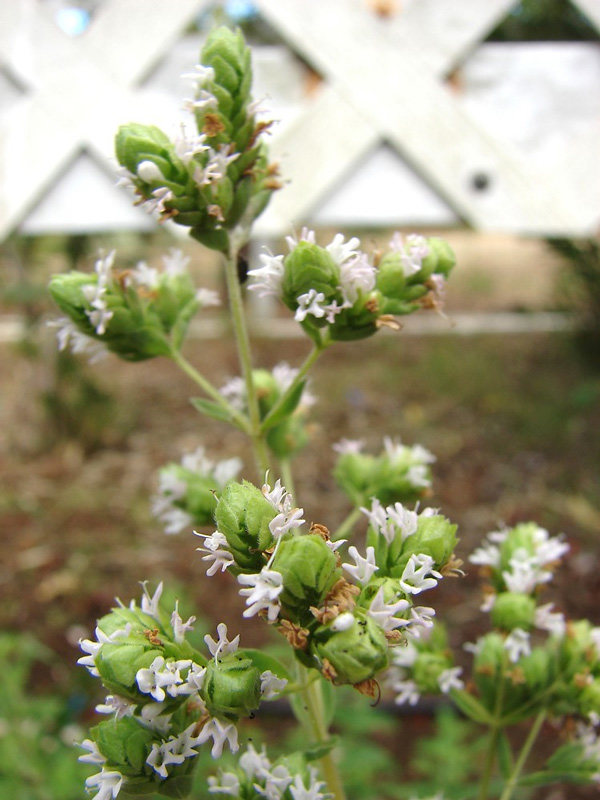
Origanum majorana, a delicate and aromatic perennial herb belonging to the mint family (Lamiaceae), is cherished for its sweet, piney, and slightly citrusy flavor profile. Native to the Mediterranean region, it has been cultivated for centuries for its culinary and medicinal properties. Unlike its more pungent cousin, oregano (Origanum vulgare), marjoram offers a milder, sweeter taste, making it a versatile ingredient in a wide array of dishes.
Botanical Profile and Flavor
Origanum majorana typically grows as a compact, bushy plant with small, oval, velvety green leaves. Its subtle flavor is attributed to its unique chemical composition, which includes compounds like eugenol and citral. This distinct aroma and taste make it a preferred herb in Mediterranean, Middle Eastern, and European cuisines. It is often used fresh or dried as a seasoning for meats, poultry, fish, vegetables, soups, stews, and salads. Its gentle nature allows it to complement, rather than overpower, other ingredients, making it a favorite among chefs and home cooks alike.
Culinary Applications
In the culinary world, Origanum majorana is a staple. It is a key ingredient in traditional herb blends and is particularly well-suited for:
- Meat Dishes: Enhancing the flavor of lamb, beef, pork, and chicken.
- Vegetable Preparations: Adding depth to roasted vegetables, tomato-based sauces, and salads.
- Soups and Stews: Infusing a warm, aromatic quality into hearty broths and casseroles.
- Dressings and Marinades: Contributing a fresh, herbaceous note to various preparations.
Medicinal and Traditional Uses
Beyond its culinary appeal, Origanum majorana has a long history of use in traditional medicine. It is recognized for its potential therapeutic properties, which are often attributed to its essential oil content. Traditionally, marjoram has been employed to:
- Aid Digestion: Alleviating symptoms of indigestion, bloating, and stomach cramps.
- Respiratory Support: Used for conditions such as coughs, colds, and bronchial complaintsز
- Pain Relief: Applied topically for muscular pain, arthritis, sprains, and stiff joints.
- Other Applications: Historically used for menstrual issues and various infections.
While these traditional uses highlight the herb's perceived benefits, it is important to note that modern scientific research continues to explore and validate these claims.
The Syrian Context: Cultivation and Production
Syria's diverse climate and fertile lands have historically supported a rich agricultural sector, including the cultivation of various herbs and spices. While specific, detailed information on the cultivation of Origanum majorana in Syria is not as extensively documented as some other crops, the general agricultural practices and challenges in the region provide a framework for understanding its production.
Cultivation Practices
Origanum majorana thrives in well-drained soil and prefers full sun, making many areas in Syria suitable for its growth. It is a relatively hardy plant, adaptable to various soil pH levels, from mildly acidic to mildly alkaline. Cultivation typically involves:
- Propagation: From seeds or cuttings.
- Soil Preparation: Ensuring good drainage and nutrient content.
- Irrigation: Moderate watering, as the plant is drought-tolerant once established.
- Harvesting: Leaves are typically harvested before flowering for optimal flavor and aroma.
Syrian farmers, with their deep-rooted knowledge of local ecosystems, likely employ traditional and sustainable farming methods that contribute to the unique quality of their produce. The emphasis on natural drying methods, often under the Syrian sun, can further enhance the herb's aromatic profile.
Distinction: Origanum Majorana vs. Origanum Syriacum

It is crucial to clarify the distinction between Origanum majorana and Origanum syriacum (Syrian Oregano/Za'atar), as the term 'Syrian Marjoram' can sometimes refer to the latter. While both are aromatic herbs from the Origanum genus, they possess distinct characteristics:

- Origanum syriacum: This species is indigenous to the Middle East and is famously known as the primary ingredient in the traditional Za'atar spice blend. It has a more robust, pungent, and earthy flavor profile, often described as a cross between marjoram and oregano. Its popularity has led to increased cultivation, and it is a significant export from Syria, often in crushed or powdered form.
- Origanum majorana: As discussed, this is sweet marjoram, characterized by its milder, sweeter, and more delicate flavor. While it may be cultivated in Syria, its specific export volume under this precise botanical name is less clear in available trade data, often being grouped under broader 'marjoram' or 'herbs' categories.
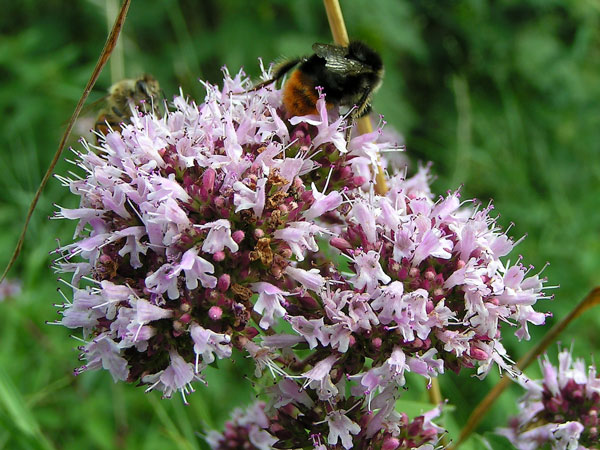
For international importers, understanding this distinction is vital to ensure they source the correct product for their specific needs. For Syrian producers, clearly labeling and marketing their Origanum majorana as distinct from Origanum syriacum can help in carving out a niche in the global market.
Challenges and Opportunities in Syrian Agricultural Exports
The Syrian agricultural sector, including the production and export of herbs and spices, operates within a complex and challenging environment. Decades of conflict, political instability, and environmental pressures have significantly impacted production capabilities and trade routes. However, amidst these difficulties, there are emerging opportunities and a strong drive towards revitalization.
Major Challenges
- Impact of Conflict and Instability: The ongoing conflict has led to the destruction of agricultural infrastructure, displacement of farming communities, and disruption of supply chains. This directly affects production volumes and the ability to transport goods to market.
- Water Scarcity and Climate Change: Syria is highly vulnerable to climate change, experiencing erratic rainfall patterns, prolonged droughts, and desertification. Water shortages severely limit irrigation capabilities, impacting crop yields and quality.
- Economic Sanctions and Trade Barriers: International sanctions imposed on Syria have historically complicated trade, making it difficult for Syrian products to access certain global markets and for producers to acquire necessary inputs or investment.
- High Input Costs: The cost of agricultural inputs, such as fertilizers, seeds, and fuel for machinery and irrigation, has escalated, increasing production costs for farmers and reducing their profitability.
- Limited Access to Modern Technology and Financing: Years of isolation and conflict have hindered the adoption of modern agricultural technologies and practices. Access to financing and credit for farmers and small businesses remains a significant hurdle for investment and expansion.
Emerging Opportunities and Revitalization Efforts
Despite the formidable challenges, there is a concerted effort to rebuild and strengthen the Syrian agricultural sector, presenting several opportunities:
- Focus on Climate-Resilient Agriculture: There is a growing emphasis on developing and implementing agricultural practices that can withstand the impacts of climate change. This includes promoting drought-resistant crops, efficient irrigation techniques, and sustainable land management.
- Government Initiatives and Investment Promotion: The Syrian government has expressed a commitment to revitalizing agriculture, launching new plans and seeking investments in the sector. This could lead to improved infrastructure, support programs for farmers, and a more conducive environment for agricultural businesses.
- Potential for Sanctions Relief/Lifting: The prospect of eased or lifted international sanctions, particularly from the U.S. and EU, could unlock significant trade and investment opportunities. This would facilitate easier access to global markets and financial resources.
- Entrepreneurship and Capacity Building: Various local and international organizations are investing in training programs for young agricultural entrepreneurs, providing them with modern farming techniques, business skills, and access to digital agriculture tools. This fosters innovation and creates a new generation of skilled producers.
- Resilient Export Performance: Despite the challenges, Syrian exports, including agricultural products and spices, have shown resilience. The reported increase in overall exports in 2023 indicates that channels and demand exist, even if complex to navigate.
- Growing Global Demand for Natural and Authentic Products: The international market shows a strong preference for natural, organic, and authentically sourced products. Syrian Marjoram, with its traditional cultivation methods and unique terroir, can capitalize on this demand.
For Syrian producers of Origanum majorana, leveraging these opportunities requires strategic planning, adherence to international standards, and effective marketing to highlight the unique value of their product.
International Market Dynamics and Importer Considerations
The global market for herbs and spices is dynamic and competitive, driven by consumer preferences for natural ingredients, health and wellness trends, and diverse culinary traditions. For international importers, understanding these dynamics and the specific considerations for sourcing Syrian Marjoram is crucial.
Global Market Trends for Marjoram and Oregano
Both marjoram (Origanum majorana) and oregano (Origanum syriacum and Origanum vulgare) are experiencing robust market growth. The demand is fueled by:
- Culinary Industry Expansion: Increased use in food processing, restaurants, and home cooking.
- Aromatherapy and Essential Oils: Growing interest in natural remedies and essential oil applications.
- Health and Wellness: Recognition of the antioxidant and medicinal properties of these herbs.
While precise trade data for Origanum majorana specifically from Syria is often aggregated under broader categories, the overall market for marjoram and oregano is expanding. Major importing regions include Europe, North America, and parts of Asia, where these herbs are widely used in various cuisines and industries.
Quality Standards and Certifications for Importers
International importers prioritize product quality, safety, and compliance with regulatory standards. To ensure successful trade, Syrian producers must meet the following key requirements:
- ISO Standards: Adherence to ISO standards (e.g., ISO 9001 for quality management, ISO 939 for moisture content, ISO 927 for visual examination) demonstrates a commitment to quality and consistency.
- Food Safety Certifications: Certifications such as HACCP (Hazard Analysis and Critical Control Points) and GMP (Good Manufacturing Practices) are often mandatory or highly preferred. These systems ensure that potential hazards are identified and controlled throughout the production and processing chain.
- Organic Certification: For importers targeting the organic market segment, organic certifications (e.g., USDA Organic, EU Organic) are essential. These require strict adherence to organic farming and processing principles, free from synthetic pesticides and fertilizers.
- Fairtrade Certification: For socially conscious importers, Fairtrade certification ensures that producers receive fair prices and that sustainable and ethical labor practices are followed.
- Purity and Authenticity: Importers will seek assurances regarding the purity of the product, free from adulteration, and its botanical authenticity (i.e., confirming it is indeed Origanum majorana).
- Moisture Content and Essential Oil Content: These are critical quality parameters. Low moisture content prevents spoilage, while high essential oil content indicates potency and flavor quality.
Importers should request detailed product specifications, certificates of analysis, and traceability documentation to verify compliance with these standards.
Sourcing from Syria: Considerations for Importers
Sourcing agricultural products from Syria requires careful consideration of logistical, political, and economic factors. Importers should:
- Due Diligence: Conduct thorough due diligence on potential suppliers, verifying their production capabilities, quality control systems, and adherence to international trade regulations.
- Logistics and Shipping: Understand the current shipping routes, transit times, and potential logistical challenges. Working with experienced freight forwarders familiar with the region is advisable.
- Payment Mechanisms: Be aware of the complexities of financial transactions with Syrian entities due to sanctions and banking restrictions. Explore viable and compliant payment mechanisms.
- Long-Term Partnerships: Building long-term, trust-based relationships with Syrian producers can help navigate challenges and ensure a consistent supply of high-quality products.
- Support for Sustainable Practices: Importers can contribute to the revitalization of the Syrian agricultural sector by supporting producers who adopt sustainable farming practices and invest in quality improvements.
Empowering Syrian Producers: Strategies for Global Reach
For Syrian producers, farmers, manufacturers, and exporters of Origanum majorana, expanding global reach requires a strategic approach that addresses both production capabilities and market demands. By focusing on quality, compliance, and effective market engagement, Syrian producers can unlock new opportunities.
Enhancing Production and Quality
- Adopt Best Agricultural Practices: Implement modern and sustainable farming techniques to optimize yields, improve product quality, and ensure environmental sustainability. This includes efficient water management, soil health practices, and pest control.
- Invest in Post-Harvest Processing: Proper post-harvest handling, drying, cleaning, and packaging are crucial for preserving the quality, aroma, and shelf life of marjoram. Investing in appropriate processing equipment and facilities is essential.
- Implement Quality Management Systems: Establish and adhere to international quality management systems (e.g., ISO 9001) and food safety protocols (HACCP, GMP). This demonstrates a commitment to producing safe and high-quality products.
- Seek Certifications: Obtain relevant international certifications such as organic, Fairtrade, or specific food safety certifications demanded by target markets. These certifications act as passports to global markets and build importer confidence.
- Focus on Traceability: Develop robust systems for tracking the product from farm to final export. Traceability provides transparency and accountability, which are highly valued by international buyers.
Market Access and Engagement

- Product Differentiation and Branding: Highlight the unique selling propositions of Syrian Origanum majorana. Emphasize its authentic origin, traditional cultivation methods, and superior aromatic qualities. Develop strong branding and packaging that communicates these values.
- Market Research and Target Identification: Conduct thorough market research to identify countries and regions with high demand for Origanum majorana. Understand their specific import regulations, consumer preferences, and pricing structures.
- Direct Engagement with Importers: Participate in international trade fairs, B2B platforms, and online marketplaces to connect directly with potential importers. Building personal relationships can be key to securing long-term contracts.
- Competitive Pricing Strategy: While quality is paramount, develop a competitive pricing strategy that reflects production costs, market value, and the unique attributes of the product. Be transparent about pricing and terms.
- Compliance with Export Regulations: Stay informed about and comply with all Syrian export regulations and the import regulations of target countries. This includes customs procedures, documentation, and labeling requirements.
- Leverage Digital Platforms: Utilize digital marketing and e-commerce platforms to showcase products, reach a wider audience, and facilitate direct sales or inquiries from international buyers.
Building Resilience and Sustainability
- Diversify Markets: Reduce reliance on a single market by exploring opportunities in various countries and regions.
- Collaborate and Form Cooperatives: Farmers and producers can benefit from forming cooperatives to pool resources, share knowledge, and collectively address challenges related to production, processing, and export.
- Seek Technical Assistance and Training: Engage with local and international organizations that offer technical assistance, training, and capacity-building programs in modern agricultural practices, quality control, and export procedures.
- Embrace Innovation: Explore innovative solutions for irrigation, energy efficiency, and post-harvest technologies to enhance productivity and sustainability.
Conclusion
Syrian Marjoram (Origanum majorana) represents a significant opportunity for both international importers seeking high-quality, authentic herbs and Syrian producers aiming to re-establish and expand their presence in the global agricultural market. While the path is fraught with challenges, particularly given the prevailing geopolitical and economic conditions, the inherent quality of Syrian produce, coupled with strategic efforts towards quality assurance, market compliance, and effective engagement, can pave the way for success.
For international importers, sourcing Syrian Origanum majorana offers access to a product with a rich heritage and distinct flavor profile, while also contributing to the economic recovery and stability of agricultural communities in Syria. For Syrian producers, embracing international standards, investing in quality, and proactively engaging with global markets are crucial steps towards achieving sustainable growth and realizing the full potential of their aromatic harvest.
By fostering collaboration and understanding between these dual audiences, the rich agricultural legacy of Syria can continue to flourish, bringing its unique flavors and aromas to kitchens and industries worldwide.

 English
  العربية